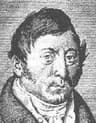
Hugh, Saksonya'dan gelip Paris'teki Saint-Victor manastırına yerleşti; kısa ömrünü (kırk beş yaşında öldü) Orta Çağ'ın en iddialı entelektüel yapılarından birini inşa etmeye adadı. Didascalicon adlı eseri, sanat ve bilimler düzenine dair bir rehberdir: neyi, hangi sırayla ve neden çalışmalısın? Kitap, tüm bilginin insan ruhundaki Tanrı imgesini yeniden kurmaya giden bir yol olduğu inancına dayanır. Mekanik sanatları özgür sanatlardan ayırdı, felsefenin bölümlerini haritalandırdı ve kutsal metnin harfi yorumunun alegorik yorumdan önce geldiğini savundu. Pedagojik eserlerin yanı sıra şerhler ve mistik metinler yazdı; öğrenmeyi tefekkür, tefekkürü ise öğrenmenin doğal tamamlayıcısı olarak gören bir anlayış ortaya koydu. Yönettiği Victor okulu, bir kuşak Parisli ilahiyatçı yetiştirdi. Öğrencisi Richard of Saint Victor, mistik projeyi daha da içsel bir hayata taşıdı.

Yerler
Fikirler
Sözler
“Her şeyi öğren; sonra göreceksin ki hiçbir şey gereksiz değil.”
“Bütün görünen dünya, Tanrı'nın parmağıyla yazılmış bir kitap gibidir.”
Eserler
Hayat ve Anlar
Saint-Victor'a varış
Genç bir kanon olarak Saksonya'dan Paris dışında yeni kurulmuş Saint-Victor Manastırı'na geldi. Bu manastır, münzevi ibadeti açık öğretiyle birleştiriyordu ve ona tam olarak uyuyordu.
Okulun Efendisi
Yirmi yıl boyunca manastır okulunu yönetti, geometriden tefekküre her şeyi öğretti; tüm bunları tek bir sürekli yükseliş olarak gördü. Öğrencilerinin notları ve kendi el kitapları Avrupa'daki her okula ulaştı.
Manastırda Can Verişi
1141'de Saint-Victor'da öldü, son anlarını kaydeden bir din kardeşi başındaydı. Sonraki kuşaklar ona 'ikinci Augustinus' dedi.
Etki
Etkilendiği düşünürler
- Augustine
Hugh'un Didascalicon'u, tüm insan bilgisini bir onarım yolu olarak düzenler ve Augustinus'u izleyerek liberal sanatları, kendi başlarına bir amaç olmaktan çok kutsal metinleri okumaya hazırlık olarak ele alır.
Etkilediği düşünürler
- Bonaventure
Bonaventura, zihnin yükseliş aşamalarına dair Viktorin anlatısından faydalandı ve ruhun Tanrı'ya yolculuğu haritasının arkasındaki otoriteler arasında Hugo'yu andı.