
Quick Summary: For beginners exploring philosophy, starting with visual and simple resources like Atlas of Thinkers and 1000-Word Philosophy helps build a broad, global view without jargon. As they advance, they can turn to more detailed sources like the Stanford Encyclopedia for in-depth research. Combining these tools provides a clear, connected understanding of diverse philosophical traditions and ideas.
If you want to study philosophy without getting lost in jargon, your first source matters. Many beginners jump between dense encyclopedias, scattered blogs, and single-tradition sites, so they never form a clear Global Philosophy view. This guide ranks the best Philosophy Resources for Philosophy For Beginners, from visual learning hubs to major research tools. We chose Philosophy Resources that are easy to enter, trusted in class, broad in scope, and strong at leading readers into deeper study.
Table of Contents
- Quick Comparison
- What to know about Global Philosophy
- Atlas of Thinkers
- 1000-Word Philosophy
- Stanford Encyclopedia of Philosophy
- Philosophy Tree
- How to choose the right philosophy resource
- Frequently Asked Questions
Quick Comparison
| Resource | Best for | Coverage | Learning style | Beginner accessibility |
|---|---|---|---|---|
| Atlas of Thinkers | First-time learners who want a visual overview | Broad, cross-tradition orientation | Browse, discover, and connect ideas | High |
| 1000-Word Philosophy | Quick conceptual grounding | Broad introductory topics | Short reads with optional audio/video | Very high |
| Stanford Encyclopedia of Philosophy | Reliable scholarly overviews | Extensive and global in scholarly authorship | Deep reading and citation chasing | Moderate |
| Philosophy Tree | Understanding historical relationships | Wide, with strong tradition mapping | Visual timeline and browsing | High |
What to know about Global Philosophy
Global philosophy studies big questions across places, languages, and time periods. It includes Greek, Indian, Chinese, Islamic, African, and modern global thought. The point is not just to collect traditions. It is to see how different thinkers asked similar questions about truth, self, ethics, politics, and meaning.
This matters now because more students want a wider map of ideas, not one narrow canon. Good beginner resources help you compare traditions clearly and spot links between them.
The best starting points make philosophy feel connected, not scattered.
1. Atlas of Thinkers
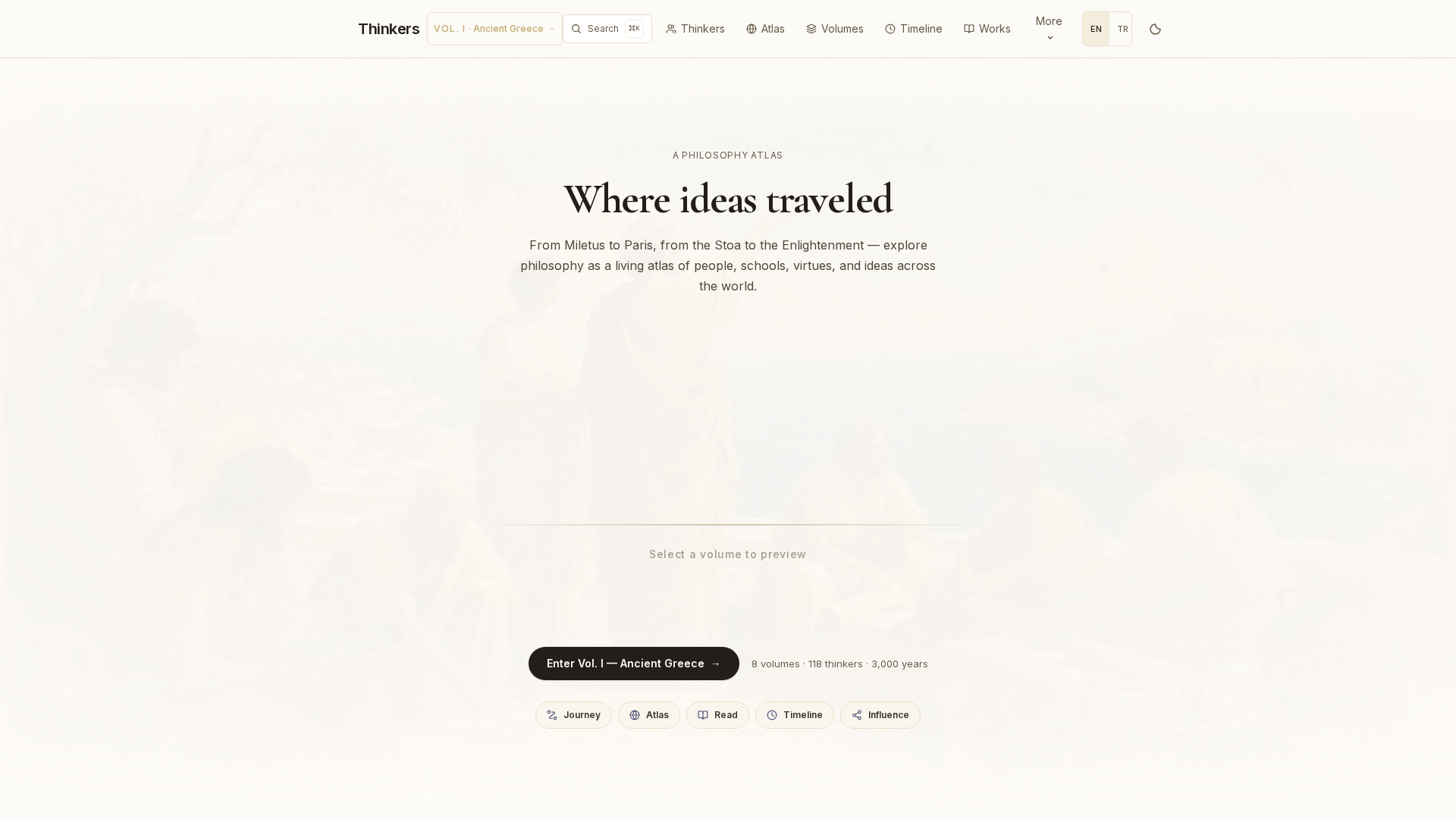
Atlas of Thinkers is a strong first stop for philosophy for beginners. It gives you a visual, atlas-style way to browse thinkers, eras, and traditions, much like Philosophy Tree and Philograph, but with a smoother entry point for broad orientation.
Highlights
- Visual exploration of philosophers and ideas
- Strong for building a global mental map
- Helps turn curiosity into structured browsing
Specs
- Best for: First-time learners who want a visual overview
- Coverage: Broad, cross-tradition orientation
- Learning style: Browse, discover, and connect ideas
- Beginner accessibility: High
Pros
- Easy to start with
- Good for cross-cultural exploration
Cons
- Not a full scholarly reference
It ranks first because it makes global philosophy resources feel clear and approachable.
Last updated: June 27, 2026
2. 1000-Word Philosophy
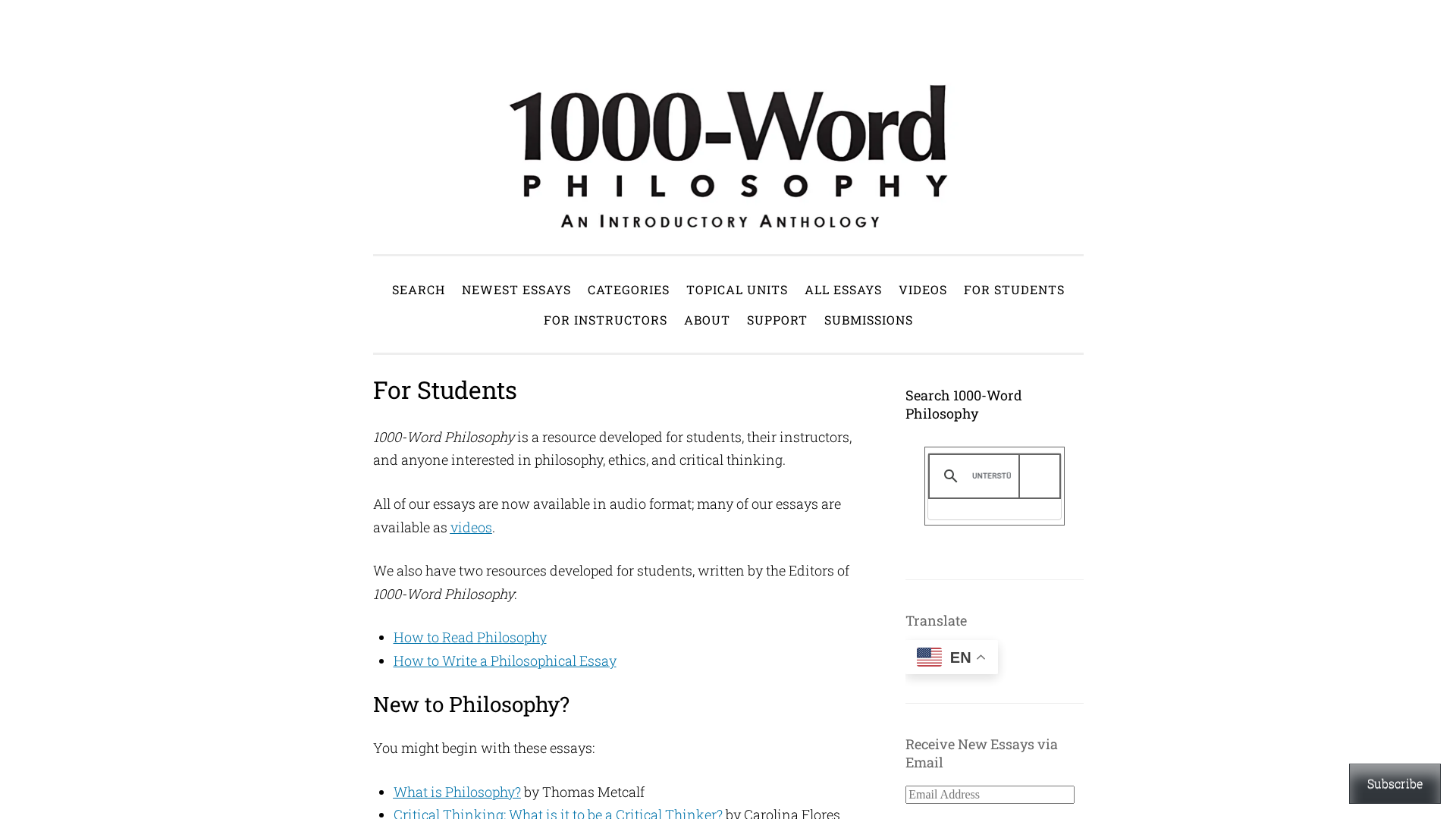
1000-Word Philosophy gives beginners short, clear essays built for students and general readers. It works well when you need fast grounding before harder sources. The site offers over 225 essays, and its student page adds reading and writing help.
Highlights
- Concise essays on major topics
- Student-focused guidance and reading help
- Audio and video support for many essays
Specs
- Best for: Quick conceptual grounding
- Coverage: Broad introductory topics
- Learning style: Short reads with optional audio/video
- Beginner accessibility: Very high
Pros
- Very approachable writing
- Ideal for classrooms and self-study
Cons
- Less comprehensive than reference encyclopedias
It ranks here because it gives beginners a clear bridge to deeper philosophy resources.
Last updated: June 27, 2026
3. Stanford Encyclopedia of Philosophy
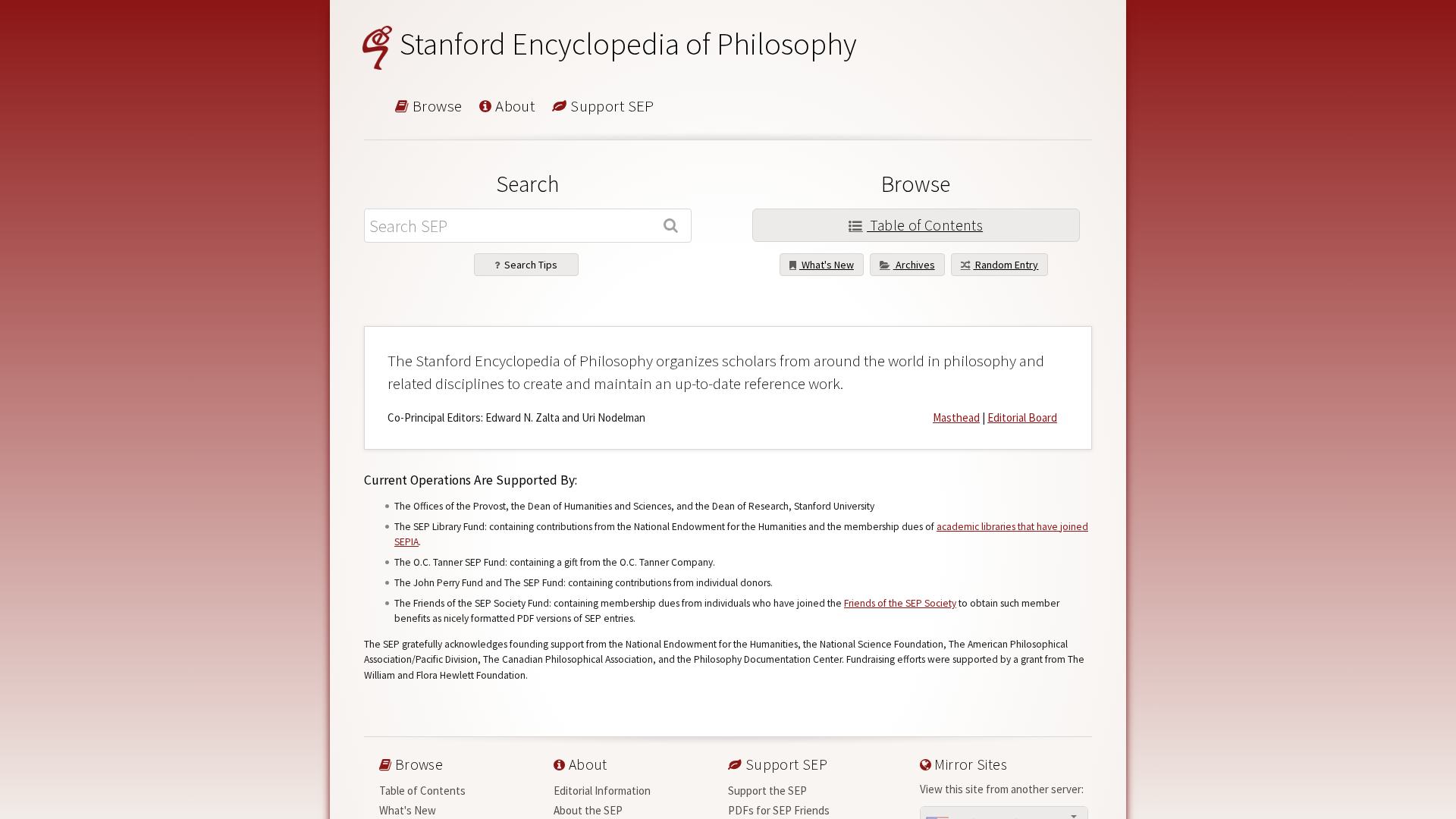
The Stanford Encyclopedia of Philosophy is the most authoritative free reference work in philosophy. Its entries are expert-written, regularly updated, and built for serious study, as the SEP explains.
Highlights
- Excellent bibliographies and references
- Trusted in teaching and research
- Broad, global scholarly coverage
Specs
- Best for: Reliable scholarly overviews
- Learning style: Deep reading and citation chasing
- Beginner accessibility: Moderate
Pros
- Great for research and teaching
- Fixed archived versions support stable citation
Cons
- Dense for brand-new readers
- Assumes some philosophy terms
It ranks third because it gives unmatched depth, but beginners often need simpler starting points first.
Last updated: June 27, 2026
4. Philosophy Tree
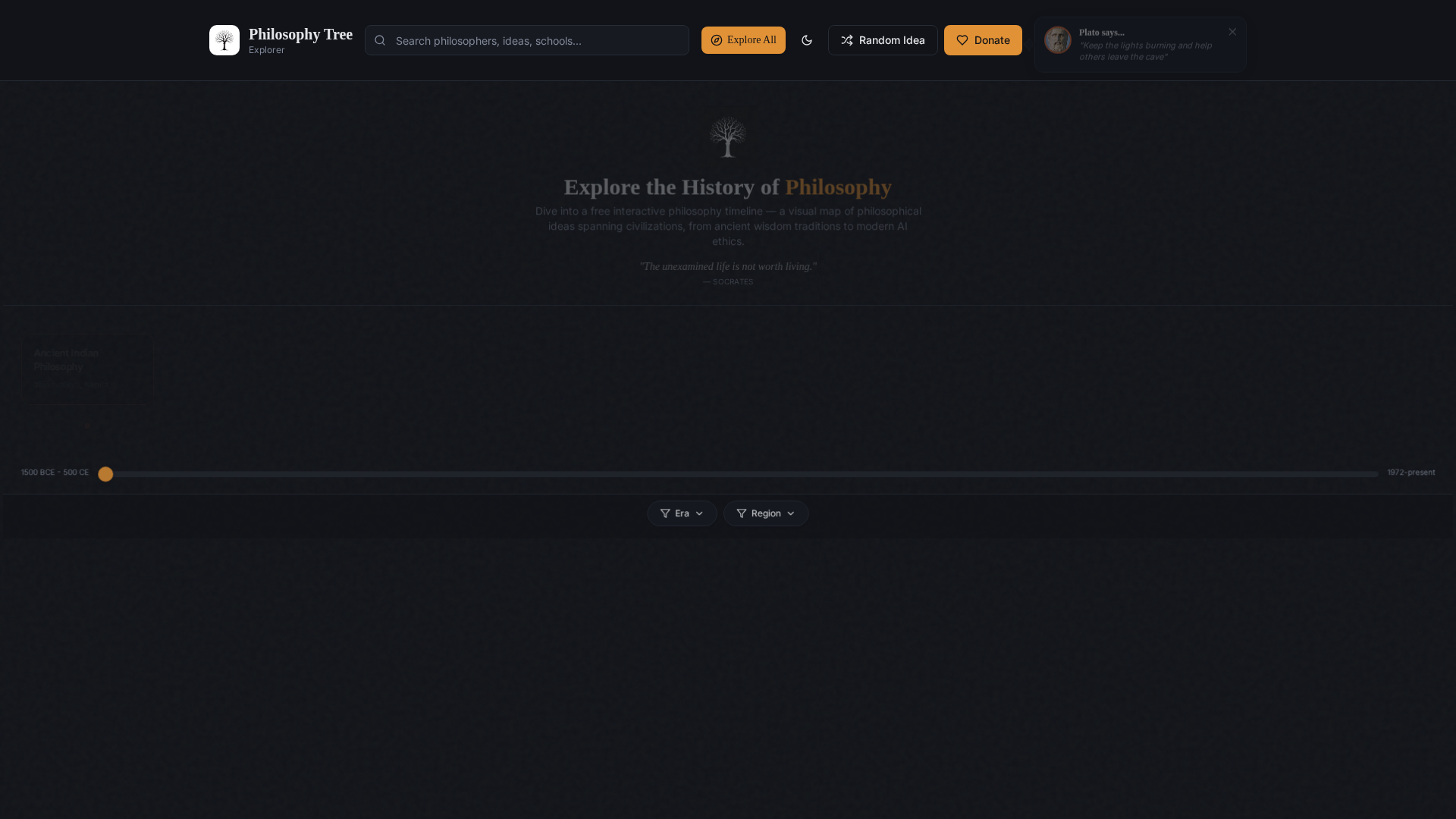
Philosophy Tree helps beginners see philosophy as one connected story, not a pile of names. Its free interactive timeline maps ideas across cultures and eras, from ancient traditions to modern debates, as shown on the site homepage.
Highlights
- Interactive history-of-philosophy timeline
- Cross-cultural, multi-tradition framing
- Clear view of influence and lineage
Specs
- Best for: Understanding historical relationships
- Coverage: Wide, with strong tradition mapping
- Learning style: Visual timeline and browsing
- Beginner accessibility: High
Pros
- Great historical context
- Free and interactive
Cons
- Less essay-like than encyclopedia resources
- You may need extra reading for depth
It ranks fourth because it gives global structure fast and makes beginner exploration easier.
Last updated: June 27, 2026
How to choose the right philosophy resource
Pick based on your goal, not the biggest name.
- Need orientation first? Start with a visual atlas or timeline. Atlas of Thinkers helps you see links between thinkers, schools, and regions fast.
- Brand new to philosophy? Choose short explainers with plain definitions and quick examples.
- Need solid research support? Use the Stanford Encyclopedia of Philosophy for depth, citations, and trusted summaries.
- Already have a topic? Try network or citation tools to branch into related ideas.
- Want global coverage? Choose a cross-cultural resource, not one limited to Greek or Western traditions.
Match the format to your style: browse to explore, read essays to understand, use reference works to research.
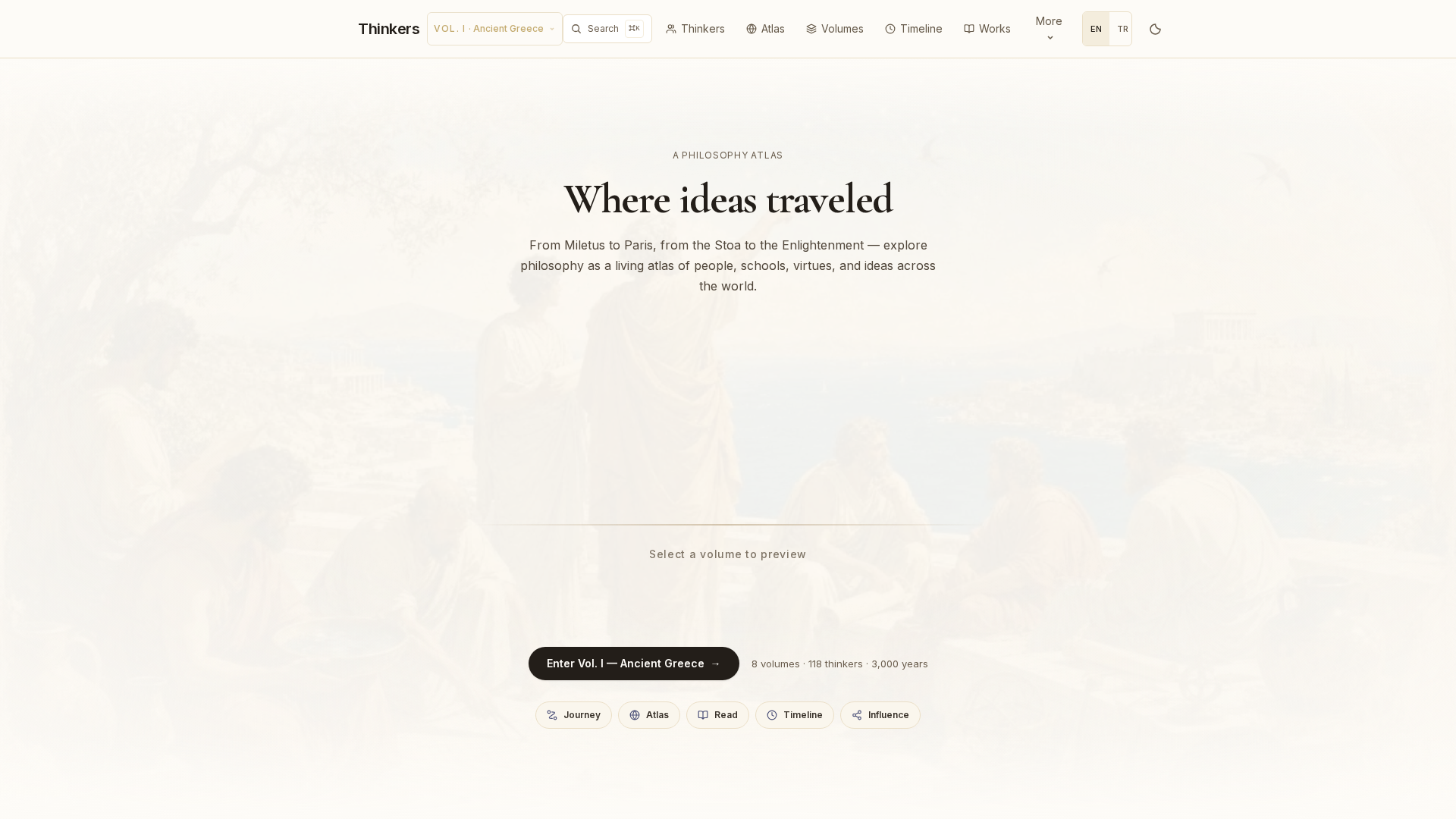
Want one place to connect these beginner resources? Explore Atlas of Thinkers to trace philosophers, ideas, and movements across cultures on one clear timeline.
Frequently Asked Questions
Q1: What are the top online philosophy resources for beginners globally?
Start with broad, easy tools like Atlas of Thinkers, Philosophy Tree, and Visualizing SEP. Then use deeper references such as Diogenet and SEP Navigator when you want sources, timelines, and links between thinkers, schools, and core ideas.
Q2: Which beginner-friendly philosophy websites and platforms does Atlas of Thinkers recommend worldwide?
A strong mix includes Atlas of Thinkers for global context, Philosophy Tree for visual paths, and Visualizing SEP for concept maps. This combo helps beginners move from simple overviews to more serious study without getting lost.
Q3: How can educators and students access comprehensive global philosophy resources for beginners?
Use resources in layers. Start with a visual map, then add a timeline, then check reference entries for detail. For classes, pair Atlas of Thinkers with guided reading lists, region-based themes, and short compare-and-contrast assignments across traditions.