Explore
Compare
Life
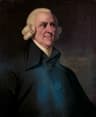
He explained how a market economy works, but he started from a question about why we feel for strangers. His two books are one argument.
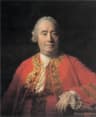
The most thoroughgoing skeptic in the history of philosophy. He argued that reason cannot justify itself, causation cannot be proven, and the self is a fiction.
Connection
David Hume close friend and intellectual influence Adam Smith — Hume and Smith were the closest of the Scottish Enlightenment thinkers. Smith's moral sentiments theory builds directly on Hume's account of sympathy.
Ideas
Words
“It is not from the benevolence of the butcher, the brewer, or the baker that we expect our dinner, but from their regard to their own interest.”
“How selfish soever man may be supposed, there are evidently some principles in his nature which interest him in the fortune of others, and render their happiness necessary to him.”
“Reason is, and ought only to be the slave of the passions, and can never pretend to any other office than to serve and obey them.”
“Custom, then, is the great guide of human life.”
Key Moments
1723 CE
Born in Kirkcaldy
1759 CE
Theory of Moral Sentiments
1776 CE
The Wealth of Nations
1790 CE
Death in Edinburgh
1711 CE
Born in Edinburgh
1739 CE
A Treatise of Human Nature
1763 CE
The Paris Salons
1776 CE
A Cheerful Death
Works
An Inquiry into the Nature and Causes of the Wealth of Nations
The Theory of Moral Sentiments
An Enquiry Concerning Human Understanding
A Treatise of Human Nature