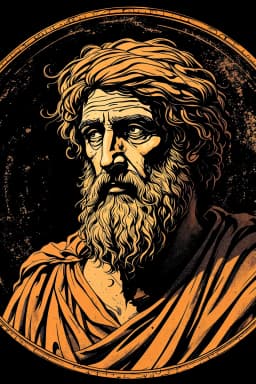
Anaksagoras
Kozmosu Akıl düzenler. Felsefeyi Atina'ya o getirdi ve güneşin bir tanrı değil, kızgın bir kaya olduğunu söylediği için sürgün edildi.
Anaksagoras İonya'dan Atina'ya geldi ve orada yaşayıp ders veren ilk filozof oldu. Sonsuz sayıda tohumun her şeyi oluşturduğunu ve kozmosu Nous'un (Akıl) harekete geçirdiğini öne sürdü. Perikles'in dostuydu. Atinalılar, güneşin bir tanrı değil, kızgın bir metal kütlesi olduğunu öğrettiği için onu dinsizlikle yargıladı. Suçlu bulundu ve sürgüne gönderildi. Son yıllarını Lampsakos'ta geçirdi.

Geriye kalanlar
Kitabı kayıp. Geriye 5 satır kaldı; her biri sonraki bir yazar onu alıntıladığı için.
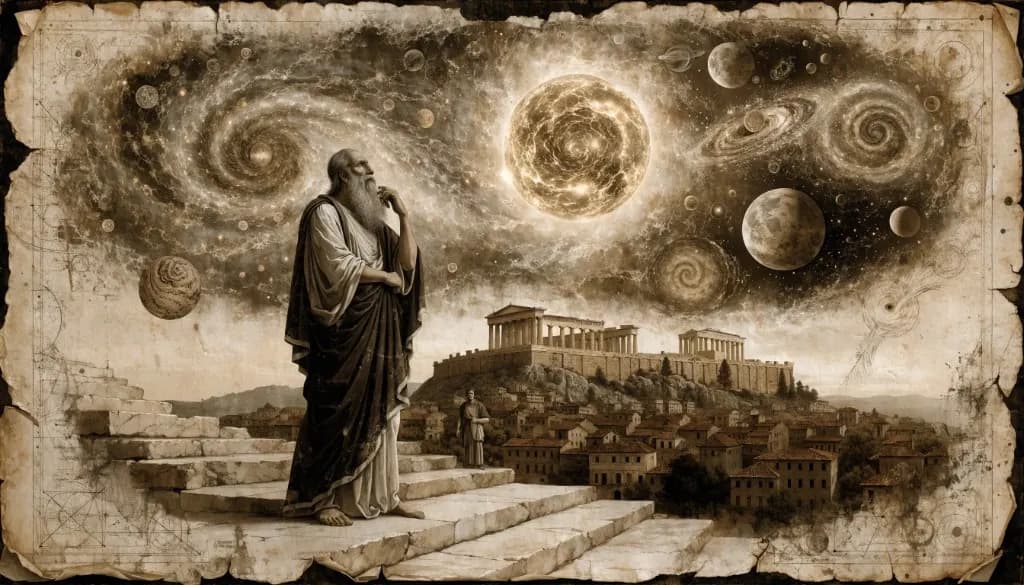
Yerler
Fikirler
Sözler
“Her şey bir aradaydı. Sonra Akıl geldi ve onları düzene soktu.”
“Güneş, Mora'dan daha büyük, sıcak bir taştır.”
“Zihin sonsuz ve kendi kendinin efendisidir, hiçbir şeye karışmaz. Her şeyin en incesi ve en safıdır, her şey hakkında tüm bilgiyi ve en büyük gücü taşır.”
“Güneş, Peloponez'den daha büyük, ateşten bir taş kütlesidir.”
Eserler
Hayat ve Anlar
Felsefe Atina'ya Geliyor
İyonya'dan Atina'ya gelip orada ders veren ilk filozof oldu. Perikles'in yakın arkadaşıydı.
Atina'ya yerleşen ilk filozof
MÖ 480 civarında Anaxagoras, İyonya kıyısındaki Klazomenai'den ayrılıp Atina'ya yerleşti. Bildiğimiz kadarıyla, bu kenti kalıcı yuvası yapan ilk filozoftu. Atina henüz ileride olacağı gibi bir düşünce merkezi değildi. O, bu kenti öyle bir merkez haline getirmeye yardımcı oldu. Yanında İyonya araştırma alışkanlıklarını getirdi: dikkatli gözlem, mite kuşku, dünyanın kendi kurallarıyla açıklanabileceğine inanç. Yaklaşık otuz yıl kaldı.
Perikles'in ve Atina Çevresinin Öğretmeni
MÖ 460 civarında Anaksagoras, Atina'nın en önemli entelektüel çevresinin merkezindeydi. Perikles onun öğrencisi ve arkadaşıydı; o kadar yakındı ki düşmanları daha sonra Anaksagoras'ı Perikles'e karşı bir silah olarak kullandı. Euripides de ondan ders almış olabilir. Trajedi yazarının oyunlarında Anaksagoras'ın fikirlerinin izleri görülür: kaosu düzenleyen akıl, evrenin insan umutlarına kayıtsızlığı. Anaksagoras, Nous'un (aklın) ilk madde dönüşünü harekete geçirip sonra geri çekildiğini öğretmişti. Evren kendi başına işler. O, bunu berrak gözlerle izledi.
Dinsizlik Davası
Güneşin bir tanrı değil, sıcak bir kaya olduğunu söylediği için dinsizlikle suçlandı. Mahkûm edilip Atina'dan sürüldü. Perikles onu kurtaramadı.
Dinsizlikle suçlandı
MÖ 450 civarında, Anaksagoras Atina'da dinsizlikle yargılandı. Suçlamanın merkezinde, güneşin tanrı Helios değil, Peloponnessos'tan daha büyük, akkor halinde bir kaya kütlesi olduğu iddiası vardı. Ay'ın ise topraktan yapıldığını ve güneş ışığını yansıttığını söylüyordu. Bunlar sıradan gözlemler değil, şehrin dinine doğrudan bir meydan okumaydı. Dava aynı zamanda siyasiydi. Perikles ile dostluğu onu uygun bir hedef haline getirdi. Suçlu bulundu.
Lampakos'a Sürgün
MÖ 450 civarında mahkûm edilip Atina'dan kovulan Anaksagoras, Hellēspontos kıyısındaki Lampakos'a yerleşti. Kent halkı onu bağrına bastı. Son yıllarını ders vererek geçirdi; ölümünden sonra topluluk, onuruna yıllık çocuk bayramı düzenledi, bu jest en büyük anıtlardan daha uzun yaşadı. Atina'yı terk edip ölümle yüzleşmek hakkında ne hissettiği sorulduğunda, yeraltı dünyasına giden yolun her yerden aynı olduğunu söylediği rivayet edilir. Gökyüzünü yeterince düşünmüştü. Hazırdı.
Etki
Etkilendiği düşünürler
- Anaximenes
Anaksagoras, tüm kozmosu tek bir maddi başlangıçtan açıklama projesini Miletoslulardan miras aldı.
Etkilediği düşünürler
- Socrates
Sokrates, Phaidon'da, Anaksagoras'ın kitabına dört elle sarıldığını anlatır; çünkü kitap, her şeyin nedeni olarak Akıl'ı gösteriyor, ama sonra hiçbir şeyi Akıl'la açıklamıyormuş. Bu hayal kırıklığı onu farklı türden bir açıklama arayışına yöneltti.
- Aristotle
Aristoteles, Anaksagoras'ı düzeni kör bir zorunluluğa değil akla dayandıran ilk kişi olarak över, ardından da onu ancak başka bir şey işe yaramadığında devreye sokmakla eleştirir.


