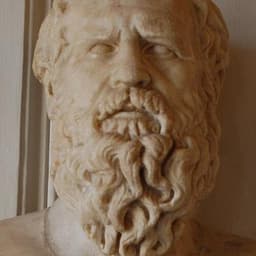
Herakleitos
Her şey akar. Dünya ateştir ve durgunluk kendimize söylediğimiz bir yalandır.
Herakleitos bilmecelerle yazdı ve açıklamayı reddetti. Evreni bir şey değil, bir süreç olarak gördü: ölçüyle yanan ve sönen ebedi bir ateş. Zıtlar birbirine muhtaçtır. Gündüz, geceyi tanımlar. Savaş, barışa babalık eder. Logos her şeyi bir arada tutar, ama çoğu insan ona uykuda yürüyor. Zor biriydi, yalnızdı ve Sokrates'ten önce belki de en özgün düşünürdü.

Geriye kalanlar
Kitabı kayıp. Geriye 14 satır kaldı; her biri sonraki bir yazar onu alıntıladığı için.
Kütüphanede Oku
Yerler
Fikirler
Sözler
“Aynı ırmağa iki kez girilemez; çünkü ne ırmak aynıdır ne de insan.”
“Yukarı çıkan yol ile aşağı inen yol bir ve aynıdır.”
“Karakter kaderdir.”
Eserler
Fragmanlar
parçalıMuhtemelen Doğa Üzerine adlı tek bir eserden yaklaşık 130 parça hayatta kalmıştır. Bilerek karanlık, aforizmacı bir üslûpla yazılmıştır. Parçalar logos, zıtların birliği ve evrenin sonsuza dek yanan bir ateş imgesini konu alır.
Ruh Üzerine
parçalıHerakleitos ruhu ateşten, en soylu öğeden yapılmış olarak gördü. Kuru, ateşli bir ruh bilgedir; nemli bir ruh aptal ya da sarhoştur. Evren yazılarından ayrı olan bu fragmanlar, kendini bilme ve iç yaşamın derinliğiyle ilgilidir.
Hayat ve Anlar
Efes'te doğdu
Artemis tapınağının hâkim olduğu zengin bir İyonya kentinde aristokrat bir aileye doğdu.
Efes'te Doğdu
Herakleitos, MÖ 535 civarında Efes'te, kentin aristokrat ailelerinden birinde doğdu. Törensel bir krallık (siyasi olmaktan çok rahipliğe ait bir unvan) miras aldı ve onu başkasına devretti. Kent zengin, kalabalık ve siyaseten bölünmüştü. Onu küçümseyerek izledi ve hiç kimsede sabrı olmayan biri gibi yazdı.
Krallığı Reddeder
Herakleitos babadan kalma krallığı kardeşine devreder. Bu jest alçakgönüllülük değildir: hemşehrileri hakkında ne düşündüğünü açıkça söyler, onları geleneği anlayış sanan ahmaklar olarak niteler. Kamusal hayattan bir kaçış için değil, onu meşgul eden soruların altında olduğunu düşündüğü için çekilir.
Ateş ve akış
Kozmosun sürekli yanan bir ateş olduğunu öğretti; durgunluk yanılsama, süreç gerçek.
Kitabını Tapınağa Bırakma
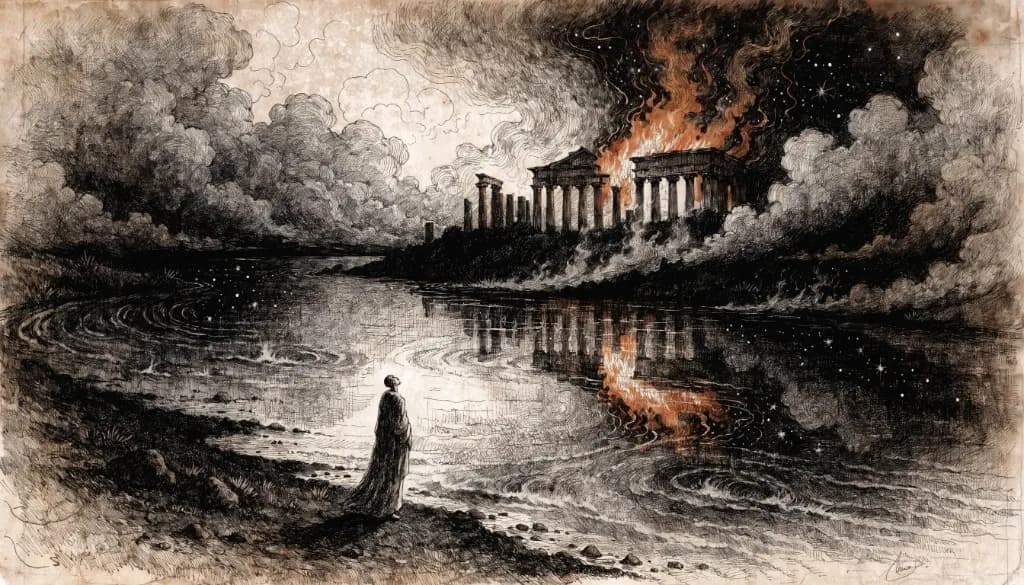
Herakleitos'un kitabını Efes'teki Artemis Tapınağı'na bıraktığı, bilerek ulaşılamaz kıldığı, rivayet edilir. Bilmecelerle yazdı ve kalabalıklardan nefret etti. Yalnızca parçalar hayatta kaldı, ama felsefede en çok alıntılanan sözler arasındadır.
Doğa Üzerine
MÖ 500 civarında Herakleitos, sonradan Doğa Üzerine adı verilecek düzyazı eserini Efes'teki Artemis Tapınağı'na bırakır. Bilerek bilmecelerle yazar, böylece aptalların onu yanlış okumasını önler. Günümüze kalan parçalar kısa, keskin ve ele avuca sığmaz: ateş her şeyin kaynağıdır, karşıtlar aynıdır, aynı nehirde iki kere yıkanılmaz. Her cümle aynı anda birkaç anlama açılır.
Kamusal hayattan çekilme
Siyaseti reddetti; dağlarda yaşadığı, kaba yiyeceklerle yetindiği anlatılır.
Dağlara Çekiliş
Anlatılara göre Herakleitos, Efes'i tamamen terk etmiş ve bir süre tepelerde, bitkilerle ve toprağın sunduğuyla beslenerek yaşamış. Kimileri bunu delilik, kimileriyse bilinçli bir yalnızlık olarak yorumlar. Şehre duyduğu nefret her zaman tam olmuştu. Dağlara gitmek, yapılacak en namuslu şey kalmış olabilir.
Efes'te ölümü
Efes'te öldü; ölüm biçimi efsanevi olsa da bıraktığı bilmeceler kalıcıdır.
Efes'te Ölüm
Herakleitos, MÖ 475 civarında ağır bir hastalıktan ölür. Ölümüyle ilgili hikâyeler muhtemelen uydurmadır: kendini gübreye gömüp sıcaklığın onu iyileştireceğini umması, doktorlardan bir bilmece çözerek tanı koymalarını istemesi. Bu ölüm hikâyeleri, zor ve anlaşılmaz adam efsanesine uyar. Kesin olan şudur ki yazdıklarının neredeyse tamamı günümüze ulaşmamıştır.
Etki
Etkilediği düşünürler
- Zeno of Citium
Stoacılar Herakleitos'un logos kavramını ve evrenin canlı bir ateş olduğu imgesini benimsedi. Onu kendi fizik anlayışlarının öncüsü olarak gördüler.
Herakleitos ile Felsefe Yapın
Bu düşünürün yer aldığı rehberli yollar, münazaralar ve zihin deneyleriyle fikirleri derinleştirin.
Herakleitos ve Parmenides
Her Şey Akıp Gider mi, Yoksa Değişim Bir Yanılsama mı?
Theseus'un Gemisi
Bir nesnenin tüm parçaları zamanla teker teker değiştirilirse, o nesne hala aynı nesne midir; yoksa bambaşka bir şey mi olmuştur?
