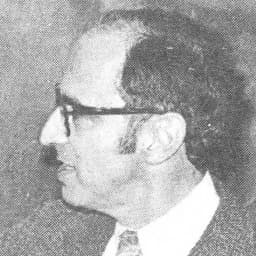
Thomas Kuhn
Bilimin birikimle değil, devrimlerle ilerlediğini gösterdi, ve bu içgörünün kendisi bir devrimdi.
Kuhn, fizik eğitimi aldı ve bilim tarihine yöneldi. Bulduğu şey onu rahatsız etti: ders kitaplarındaki sürekli ilerleme hikâyesi yanlıştı. Farklı tarihsel dönemlerdeki bilim insanları, ardıllarından sadece daha az bilgiye sahip değildi; bütünüyle farklı çerçeveler içinde çalışıyor, farklı sorular soruyor, farklı şeyler görüyorlardı. Kuhn bu çerçevelere paradigma ve aralarındaki geçişlere bilimsel devrim adını verdi. Olağan bilim (kabul görmüş bir paradigma içinde bulmaca çözmek) eninde sonunda paradigmanın içine alamayacağı anomaliler biriktirir. Sonuç bir bunalım, ardından bir devrim ve nihayet yeni bir olağan bilimdir. Bilimsel Devrimlerin Yapısı 1962'de yayımlandı ve 20. yüzyılın en çok atıf alan akademik kitaplarından biri oldu. Geniş çapta yanlış okundu: Kuhn bilimin akıldışı olduğunu söylemiyordu. Bilimin, resmî hikâyesinin kabul ettiğinden daha insani olduğunu söylüyordu, ve o resmî hikâyenin kendisi de bir tür olağan bilimdi.


Yerler
Fikirler
Sözler
“Normal bilim, olgusal ya da kuramsal yenilikleri hedeflemez ve başarılı olduğunda da hiçbirine rastlamaz.”
“Paradigma değişimleri, bilim insanlarının araştırma alanlarına bakışını farklılaştırır.”
Eserler
Hayat ve Anlar
Bilim tarihinin keşfi
1947'de Harvard'da fizik yüksek lisans öğrencisiyken Kuhn, lisans öğrencilerine bilim tarihi dersi vermekle görevlendirildi. Aristoteles'in Fizik'ini ilk kez okurken, bu eserin ne kadar yabancı ama kendi içinde tutarlı olduğuna hayran kaldı; Newton'a yönelik başarısız bir girişim değil, bambaşka bir kavramsal dünyaydı. Bu fark ediş her şeyi değiştirdi.
Bilimsel Devrimlerin Yapısı
1962'de Chicago Üniversitesi Yayınları tarafından basılan kitap, ilk başta uzmanlarca okundu. Sonraki on yılda yirminci yüzyılın en çok atıf alan akademik eserlerinden biri haline geldi; 'paradigma değişimi' ve 'normal bilim' terimlerini yaygın kullanıma soktu, ancak çoğu zaman Kuhn'un kendisinin onaylamadığı biçimlerde.
Etki
Etkilendiği düşünürler
- Karl Popper
Popper'a göre bilim, çürütme girişimleriyle ilerler; Kuhn ise çalışan bilim insanlarının çoğu zaman çerçevelerini test etmek yerine kullandıklarını ve değişimin düzenli düzeltmelerden çok kopuş olarak geldiğini söyledi.
Etkilediği düşünürler
- Richard Rorty
Rorty, Kuhn'un rakip paradigmaların karşılaştırma için tarafsız bir ölçütten yoksun olduğu yönündeki argümanını, felsefenin her sözcük dağarcığının dışında duran bir çerçeve arayışından vazgeçmesi gerektiği yönündeki kendi görüşüne destek olarak kullandı.

