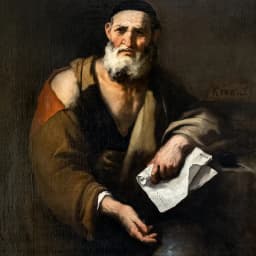
Leukippos
Atomculuğun esas kurucusu sayılır, ama öğrencisinin gölgesinde o kadar geride kalmıştır ki bir filozof onun hiç yaşamadığını iddia etmiştir.
Leukippos, antik kaynaklara göre atomculuğun gerçek kurucusudur: gerçekliğin, boş uzayda hareket eden, tanrısal irade ya da tesadüf değil katı zorunlulukla birleşen ve ayrılan bölünmez parçacıklardan oluştuğu iddiası. Hayatı hakkında neredeyse hiçbir şey kesin değildir (doğum yeri bile Milet, Abdera ve Elea arasında tartışmalıdır) ve teorisini çok daha ayrıntılı geliştirip yayan öğrencisi Demokritos'un gölgesinde o kadar kaybolmuştur ki Epikuros daha sonra Leukippos'un hiç var olmadığını iddia etmiş, ancak modern tarihçiler çoğunlukla bu görüşü, antik kaynakların onu tutarlı bir şekilde okulun kurucusu olarak göstermesi nedeniyle inandırıcı bulmaz. Diogenes Laertios tarafından korunan en etkili tek dizesi, hiçbir şeyin rastgele olmayıp her şeyin bir neden ve zorunlulukla olduğunu belirtir: bu katı belirlenimcilik, Parmenides ve Zenon'un Elea okulunun meydan okumasına kendi terimleriyle cevap vermiş, gerçek boşluk ve değişimin dikkatli bir gerekçelendirme gerektirdiğini kabul ederken yine de hareket ve çokluğun gerçek olduğunda ısrar etmiştir. Parmenides var olmayanın var olamayacağını ve bu nedenle değişimin imkânsız olduğunu savunurken, Leukippos boş uzayın, bir tür var olmayan olmasına rağmen var olduğunu ve hareketi mümkün kıldığını, böylece atomların hareket edip çarpışarak görünür dünyadaki her şeyi oluşturmasına izin verdiğini öne sürmüştür. Onun yazılarından neredeyse hiçbiri, Demokritos'un çok daha büyük külliyatından bağımsız olarak günümüze ulaşmamıştır ve iki düşünürün katkılarını ayırmak, Sokrates öncesi felsefe tarihinin en sinir bozucu bulmacalarından biri olmaya devam eder.

Yerler
Fikirler
Sözler
“Hiçbir şey rastgele olmaz, her şey bir sebep ve zorunlulukla gerçekleşir.”
“Her şey sınırsızdır, kimisi dolu kimisi boştur. Bunlar ögelerdir. Bunlardan sayısız dünyalar doğar ve yine bunlara karışırlar.”
Eserler
Hayat ve Anlar
Hiçliği bir var olmama biçimi olarak önerir
Elea'nın "var olmayan var olamaz, bu yüzden değişim imkânsızdır" argümanına yanıt olarak Leukippos, boş uzayın bir tür var olmama olduğunu ama yine de var olduğunu; böylece hareketi ve çokluğu mümkün kıldığını öne sürdü. Demokritos'un çok daha kapsamlı geliştireceği atomculuk geleneğini başlatan bu görüş oldu.
Etki
Etkilendiği düşünürler
- Parmenides
Atomculuk, Parmenides'e bir cevaptı: Leukippos, varlığın yoktan var olamayacağını kabul etti, ama varlık-olmayanın, yani boş uzayın, var olduğunda ısrar ederek argümanı kırdı ve böylece harekete izin verdi.
Etkilediği düşünürler
- Democritus
Leukippos atomları ve boşluğu öne sürdü; Demokritos bu düşünceyi öylesine sistemli hâle getirdi ki, Antik çağ yazarları bile hangi kısmın kime ait olduğunu ayırt etmekte zorlandı.
- Epicurus
Epikuros, fiziğini Leucippus'un ilk kez önerdiği atomlar ve boşluk üzerine inşa etti, özgürlüğe yer açmak için çarpışmaların yönettiği dünyaya sapma ekledi.


