

Adi Şankara
Günümüz bilimi, hayatının otuz yılı bile bulmadığını düşündüğü bu alim, Hint felsefesini on iki yüzyıl boyunca tanımlayacak kadar sistematik yorumlar yazdı. Hepsi tek bir iddiaya dayanıyordu: benlik ile mutlak olan iki ayrı şey değildir.

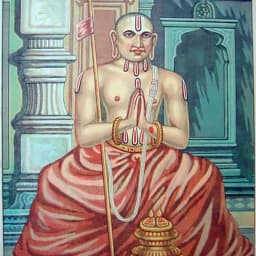
Ramanuja
Shankara'nın benlik ile mutlak'ın eksiksiz ve tıpatıp aynı olduğu iddiasına karşı, onların bir fakat nitelikli olduğunu savundu: ruhun Tanrı'sını sevmesine ve O'nun tarafından sevilmesine hâlâ yer bırakan tek bir gerçeklik.
Adi Şankara ve Ramanuja
Adi Şankara ve Ramanuja, tarihin düşünce haritasında farklı dönem ve okullarda insanlığın en temel sorularına ışık tutmuştur. Aşağıda fikirleri, etkileşimleri ve eserleri yan yana incelenmektedir.
Kendi Kelimeleriyle İki Zihin
“Brahman gerçektir; dünya görünüştür; bireysel benlik Brahman'dan başka bir şey değildir.”
“İnsan sırf sözlerle özgürleşmez, gerçeği kavramadıkça; özgürlük, doğrudan idrak dışında hiçbir yolla elde edilemez.”
“Bireysel ruh, Yüce'nin bir parçasıdır; tıpkı ateşten bir kıvılcım gibi, ayrıdır ama bağımlıdır, ne tamamen ayrılır ne de aynı olur.”
“Adanmışlık tek bir eylem değil, sürekli bir hatırlama akışıdır; Yüce Kişi'ye yönelmiş, tıpkı kesintisiz bir yağ sızıntısı gibidir.”
Felsefe Atlası Bağlantıları
Adi Şankara → Advaita'ya Vishishtadvaita'nın yanıtı → Ramanuja — Ramanuja’nın Sri Bhashya'sı, Shankara’nıkilerden iki-üç yüzyıl önceki Brahma Sutraları’nı Advaita yorumlamasına doğrudan ve sürekli bir yanıt olarak yazıldı; Ramanuja, Brahman’ın, farklılaşmamış bir gerçeklik olarak tek başına durmaktansa, benlikleri ve maddeyi gerçekten içerdiğini savundu.
ORTAK KAVRAMLAR VE FİKİRLER
Nereden Okumaya Başlamalı?
Adi Şankara
Ramanuja
Klasik Felsefe Münazaraları
Tarihin dönüm noktası olan zıt fikirleri, derinlemesine 4 temel sütun ve söz düellolarıyla keşfedin.


Platon ve Aristoteles
İdealar Dünyası ve Gözleme Dayalı Gerçeklik: Hakikat ötelerde mi, yoksa yeryüzünde mi?

Kant ve Nietzsche
Evrensel Ahlak Yasası ve Güç İstenci: Ahlak evrensel bir buyruk mudur, yoksa yaratılan bir değer mi?


Descartes ve Hume
Rasyonalist Şüphe ve Radikal Deneycilik: Saf akıl duyulardan bağımsız kesin bilgiye ulaşabilir mi?


Seneca ve Epiktetos
Zengin Devlet Adamı ve Özgür Bırakılmış Köle: İki farklı yaşam Stoacı zihin dinginliğini nasıl sınar?


Hobbes ve Locke
Leviathan Otoritesi ve Doğal Haklar: İnsan insanın kurdu mudur, yoksa doğuştan özgür ve hak sahibi mi?


Laozi ve Konfüçyüs
Doğanın Akışı (Dao) ve Toplumsal Ritüel (Li): Akışa mı teslim olmalı, yoksa toplumu erdemle mi inşa etmeli?


Herakleitos ve Parmenides
Her Şey Akıp Gider mi, Yoksa Değişim Bir Yanılsama mı?


Epikuros ve Kıbrıslı Zenon
Huzurlu Haz (Ataraksia) ve Stoacı Ödev: Belirsiz bir dünyada iç huzuruna nasıl ulaşılır?


Spinoza ve Leibniz
Panteist Zorunluluk ve Monadlar: Evren tek bir zorunlu Töz mü, yoksa ahenk içindeki sonsuz ruhlar mı?


Camus ve Sartre
Başkaldıran İnsan ve Radikal Özgürlük: Tanrısız ve anlamsız bir dünyada nasıl yaşamalı?

Kierkegaard ve Nietzsche
İnanç Şövalyesi ve Deccal: Tanrı'ya doğru bir sıçrayış mı, yoksa Tanrı'yı aşmak mı?

Schopenhauer ve Nietzsche
Kozmik Kötümserlik ve Hayatı Evetlemek: Yaşama İradesini terk mi etmeli, yoksa coşkuyla kucaklamalı mı?

Marcus Aurelius ve Seneca
Cephedeki İmparator ve Roma Senatörü: İmparatorluk yükünü taşıyan hükümdar ile mektupların bilge ustası.


Sokrates ve Protagoras
Nesnel Hakikat ve Rölativizm: Hakikat keşfedilir mi, yoksa insan her şeyin ölçüsü müdür?


Rousseau ve Voltaire
Doğal İnsan ve Genel İrade ile Aydınlanma İlerlemesi ve Akılcı Zeka.

Diyojen ve Platon
Kinizm ve Fıçıdaki Bilgelik ile Akademi'nin Soyut İdeaları.


Wittgenstein ve Russell
Dilin Sınırları ve Mistik Sessizlik ile Mantıksal Atomizm ve Bilimsel Akıl.


Zhuangzi ve Xunzi
Kelebek Rüyasının Özgürlüğü ile İnsan Doğasını Eğiten Toplumsal Düzen.