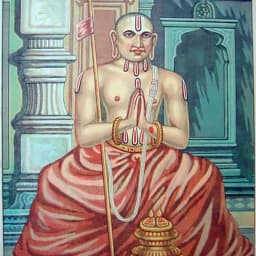
Ramanuja
Shankara'nın benlik ile mutlak'ın eksiksiz ve tıpatıp aynı olduğu iddiasına karşı, onların bir fakat nitelikli olduğunu savundu: ruhun Tanrı'sını sevmesine ve O'nun tarafından sevilmesine hâlâ yer bırakan tek bir gerçeklik.
Ramanuja, Shankara'nın katı düalist olmayan anlayışının hiçbir zaman tam olarak yer açamadığı, Vişnu merkezli bir tapınak ibadeti, şiir ve kişisel bir Tanrı'ya teslimiyet geleneğini miras aldı; uzun kariyerini bu geleneğe felsefi bir mimari kazandırmaya adadı. Onun sistemi Vişiştadvaita, yani nitelikli düalist olmayanlık, Shankara ile gerçekliğin nihai olarak tek olduğu konusunda hemfikirdir, ancak bu tekliğin farklılaşmamış bir boşluk olmadığında ısrar eder: Brahman, bireysel ruhları ve maddi dünyayı kendi gerçek nitelikleri veya bedeni olarak içeren tek bir gerçekliktir; tıpkı bir benliğin bir bedeni ona indirgenmeden kapsaması gibi, böylece ruhlar, kendilerinden gerçekten farklı olan bir Tanrı'yı sevmek, ona tapınmak ve onun tarafından kurtarılmak için yeterince ayrı kalır. Bu görüşünü en sistematik biçimde, Brahma Sutra üzerine yorumunda, iki ya da üç yüzyıl önce Shankara'nın aynı metin üzerine yazdığı yoruma doğrudan ve kapsamlı bir yanıt olarak kaleme aldı; Vedanta'nın merkezindeki fay hattı olarak 'sen o'sun' ifadesinin ne kadar gerçek anlamda okunması gerektiği tartışmasını ele aldı. Teolojisi, ibadete (bhakti) daha önce tam olarak sahip olmadığı entelektüel bir temel kazandırdı; kişisel olmayan bir mutlak üzerine soyut meditasyon değil, Tanrı'ya sevgi dolu teslimiyetin hem entelektüel olarak gerekçelendirildiğini hem de ruhsal olarak üstün olduğunu savundu. Bu sav, sonraki yüzyıllarda Hint yarımadasında Hindu dini hayatını yeniden şekillendiren daha geniş bhakti hareketini yönlendirdi. Onlarca yıl Sri Rangam'daki büyük Vişnu tapınağının başrahipliğini yaptı, felsefi yazılarının yanı sıra tapınağın ritüel ve kurumsal yaşamını düzenledi; gelenek, rakip okullara karşı sistemini savunmak için Hindistan'ı dolaştığını anlatır, ancak bazı geleneksel anlatılarda inanılması güç yüz yirmi yıla ulaşan uzun yaşamının kesin tarihleri modern akademisyenler arasında halen tartışmalıdır.

Yerler
Fikirler
Sözler
“Bireysel ruh, Yüce'nin bir parçasıdır; tıpkı ateşten bir kıvılcım gibi, ayrıdır ama bağımlıdır, ne tamamen ayrılır ne de aynı olur.”
“Adanmışlık tek bir eylem değil, sürekli bir hatırlama akışıdır; Yüce Kişi'ye yönelmiş, tıpkı kesintisiz bir yağ sızıntısı gibidir.”
Eserler
Hayat ve Anlar
Sri Bhashya'yı yazar
Ramanuja, Brahma Sutraları üzerine yorumunu tamamladı. Shankara'nın Advaita yorumuna doğrudan karşı çıkarak, kişisel bir Tanrı'ya yapılan ibadete ilk tam sistemli felsefi temeli kazandırdı.
Srirangam'da başrahip olur
Ramanuja, on yıllar boyunca Srirangam'daki büyük Vişnu tapınağının ritüel ve kurumsal yaşamını düzenledi; ardından Vişiştadvaita'yı sürdürecek adanmışlık topluluğunu inşa etti.
Etki
Etkilendiği düşünürler
- Badarayana
Ramanuja, tıpkı kendisinden önceki Shankara gibi tüm sistemini Badarayana'nın Brahma Sutraları üzerine bir yorum olarak inşa etti; özlü deyişlerin aslında Shankara'nın katı yorumundan ziyade nitelikli non-dualizmi desteklediğini savundu.
- Adi Shankara
Ramanuja’nın Sri Bhashya'sı, Shankara’nıkilerden iki-üç yüzyıl önceki Brahma Sutraları’nı Advaita yorumlamasına doğrudan ve sürekli bir yanıt olarak yazıldı; Ramanuja, Brahman’ın, farklılaşmamış bir gerçeklik olarak tek başına durmaktansa, benlikleri ve maddeyi gerçekten içerdiğini savundu.
Etkilediği düşünürler
- Madhva
Madhva, Ramanuja'nın tek bir gerçeklik içinde gerçek ayrım yapma hamlesini alıp daha ileri götürdü: Tanrı ve ruhun sadece içsel olarak ayırt edilebilir değil, ebediyen ve tamamen ayrı cevherler olduğunu savundu.


