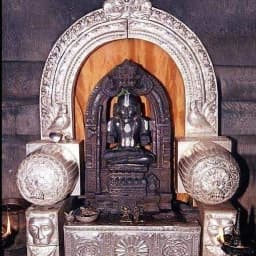
Madhva
Hem Şankara'nın katı nondualizmine hem de Ramanuja'nın nitelikli birliğine karşı, gerçekliğin indirgenemez ve kalıcı farklılıklar üzerine kurulu olduğunu savundu: ruh asla Tanrı değildir ve asla olmayacaktır.
Madhva, benlik ile tanrısal arasındaki ilişkiye dair Vedanta'nın büyük üçlü tartışmasını tamamladı ve Şankara'nınkinden en uzak pozisyonu aldı: Şankara benlik ile mutlak olanın katı bir şekilde bir olduğunu, Ramanuja ise gerçek içsel ayrımlarla tek bir gerçeklik olduğunu savunurken, Madhva'nın Dvaita'sı ya da düalizmi, Tanrı, ruhlar ve maddenin ebediyen ve indirgenemez biçimde ayrı cevherler olduğunda ve ne kadar özgürleşmiş olursa olsun hiçbir ruhun asla Tanrı ile özdeşleşmediğinde veya O'na karışmadığında ısrar etti. Bu iddiasını, Tanrı ile ruhlar, Tanrı ile madde, bir ruh ile diğeri, ruh ile madde ve maddenin bir kısmı ile diğeri arasındaki beş temel farklılık olan pança-bheda kapsamlı teorisi etrafında örgütledi; özgürleşmenin bile bu ayrımları silmediğini, aksine ruhun, gerçekten başka olan bir Tanrı'ya karşı uygun ve kalıcı olarak alt konumdaki ilişkisini mükemmelleştirdiğini savundu. Bu, kişisel ve yüce bir Tanrı'nın (Vişnu ile özdeşleştirilen) ibadet amaçlı tapınmasına, Ramanuja'nın sisteminden bile daha keskin bir felsefi temel kazandırdı, çünkü Madhva'ya göre sevgi ve tapınma, nihai olarak tanrısal olana karışmadan önceki daha düşük bir aşama değil, özgürleşmenin kendisinin oluşturduğu ebedi ve bitmeyen ilişkidir. Brahma Sutraları, Bhagavad Gita ve Upanişadlar üzerine, bu pozisyonu hem Advaita'ya hem de Vişiştadvaita'ya karşı savunan kapsamlı yorumlar yazdı; Hindistan'ı geniş çapta dolaştı, geleneğe göre Himalayalar'a bir hac yolculuğu bile yaptı ve ardından Udupi'de, bugün hâlâ Krishna tapınağını yöneten ve öğreti soyunu sürdüren sekiz manastırdan oluşan bir küme kurmak üzere geri döndü. Bu, onu, Şankara ve Ramanuja'nın yanında, klasik Vedanta'nın sınırlarını belirleyen üç yorumcunun üçüncüsü ve en tavizsiz teist olanı yaptı.

Yerler
Fikirler
Sözler
“Fark gerçek ve beş katlıdır: Tanrı ile ruh, Tanrı ile madde, ruh ile ruh, ruh ile madde ve madde ile madde arasında.”
“Kurtuluşta bile ruh, Rabbin bir kulu olarak kalır; efendisiyle özdeşleşmeden bir mutluluktur bu.”
Eserler
Hayat ve Anlar
Udupi'de sekiz manastırı kurar
Madhva, Krişna tapınağını yönetmek ve Dvaita öğretisini korumak için Udupi'de sekiz manastırdan oluşan bir küme kurdu. Bu kurumlar günümüzde de faaliyet göstermektedir.
Himalayalara bir hac yolculuğuna çıkar
Geleneğe göre Madhva, Dvaita'yı rakip Vedanta ekollerine karşı savunmak için Hindistan'da çok seyahat etmiş; bunun bir parçası olarak da Himalayalara bir hac yolculuğu yapmıştır. Tarihçiler bu anlatıya, hagiografik kaynaklara dayandığı için ihtiyatla yaklaşır.
Etki
Etkilendiği düşünürler
- Ramanuja
Madhva, Ramanuja'nın tek bir gerçeklik içinde gerçek ayrım yapma hamlesini alıp daha ileri götürdü: Tanrı ve ruhun sadece içsel olarak ayırt edilebilir değil, ebediyen ve tamamen ayrı cevherler olduğunu savundu.
- Adi Shankara
Madhva, en doğrudan polemik enerjisini Shankara'nın Advaita'sına ayırdı; dünyayı ve bireysel ruhları nihai olarak gerçekdışı saymanın hem kutsal metinlere hem de sıradan deneyime aykırı olduğunu uzun uzadıya savundu.

