Atlas of Thinkers
ThinkersAtlasTimelineWorksBlog
Atlas of Thinkers
ThinkersAtlasTimelineWorksBlog
Journey/

Parmenides

Pre-Socratic
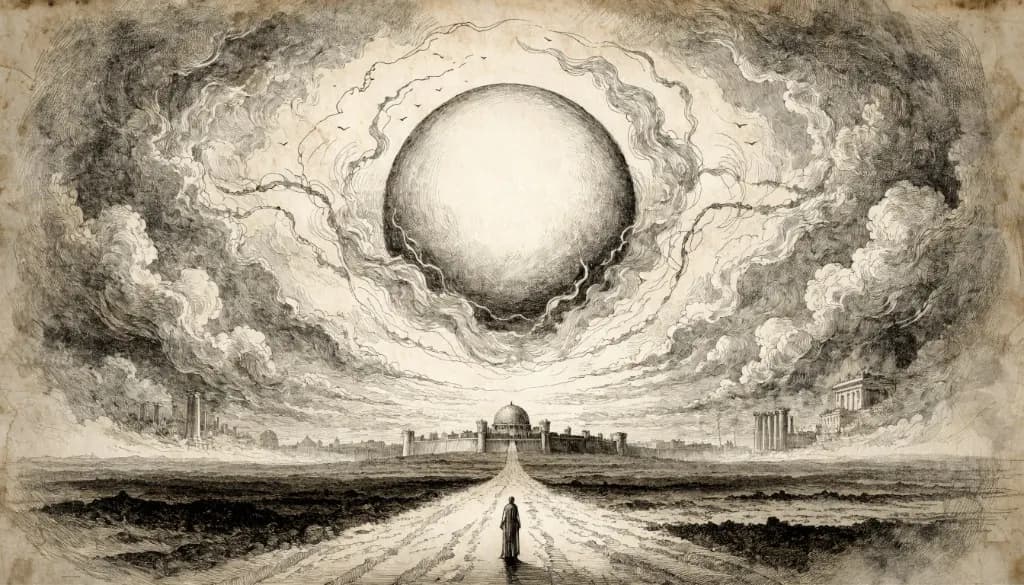
A solitary road leads toward a glowing sphere above Elea, with pale clouds and a still horizon suggesting indivisible Being.
What is, is whole.
1/9

Where Heraclitus saw flux, Parmenides saw permanence. In a single philosophical poem, he argued that change, motion, and multiplicity are impossible, that only Being exists, whole and unchanging. The argument sounds absurd, but it forced every thinker after him to account for it. Plato revered him. Aristotle wrestled with him. The problem of Being has never gone away.

Birth
c. 515 BCE·Elea

Born at Elea

Born in Elea, a Greek colony in southern Italy founded by refugees from Ionian politics and Persian pressure.

Elea was small, but its intellectual legacy was enormous. Parmenides would argue that true being is one, ungenerated, and unchanging. From a quiet colony came the hardest puzzle in Greek thought: if change is real, how can reason permit it?

Words

“What is, is. What is not, cannot be.”

— Parmenides
Full profile→
Portrait of Plato

Continue to

Plato →