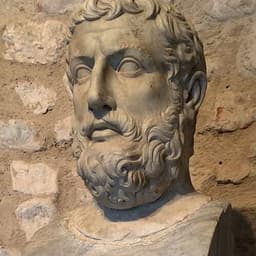
Herakleitos akışı görürken Parmenides kalıcılığı gördü. Tek bir felsefi şiirde değişimin, hareketin ve çokluğun olanaksız olduğunu savundu: yalnızca Varlık vardır, bütün ve değişmez. İddia saçma görünür, ama ondan sonraki her düşünürü hesap vermeye zorladı. Platon ona saygı duydu. Aristoteles onunla boğuştu. Varlık sorunu hiç bitmedi.

Geriye kalanlar
Kitabı kayıp. Geriye 7 satır kaldı; her biri sonraki bir yazar onu alıntıladığı için.
Kütüphanede Oku
Yerler
Fikirler
Sözler
“Olan, vardır. Olmayan, var olamaz.”
“Aynı şeydir, düşünülebilen ve var olabilen.”
Eserler
Doğa Üzerine
parçalıİki bölümden oluşan felsefi bir şiir: Hakikat Yolu ve Görünüş Yolu. Gerçekliğin bir, değişmez ve bölünmez olduğunu savunur. Antik felsefedeki en radikal metafizik iddia.
Akıl Üstüne
parçalıLeukippos'tan günümüze kalan tek cümle, atomculuğun temel ilkesini dile getirir: hiçbir şey keyfi değildir. Büyük eseri 'Büyük Dünya Sistemi' kayıptır ve antik okurlar onun mı yoksa öğrencisinin mi olduğu konusunda anlaşamamıştır.
Hayat ve Anlar
Elea'da doğdu
Güney İtalya'daki Elea'da doğdu; küçük bir koloni, devasa bir fikir mirası bıraktı.
Elea'da Doğdu
Parmenides, MÖ 515 civarında İtalya kıyısındaki küçük bir Yunan kolonisi olan Elea'da doğar. Şehir sessizdir, Ege'nin ticaret yollarından ve entelektüel gürültüsünden uzaktır. Orada büyür ve bildiğimiz kadarıyla hayatının çoğunu orada geçirir; hareketin ve değişimin yanılsama olduğunda ısrar eden bir şiir yazar.
Felsefi Şiir Yazar
MÖ 490 civarında Parmenides, Homeros'un vezni olan altılı ölçüyle bir şiir kaleme alır. Şiirde bir tanrıça ona iki yolu gösterir: hakikat yolu ve görünüş yolu. Hakikat yolu, var olanın var olduğunu, var olmayanın düşünülemez ve söylenemez olduğunu savunur. Değişim, çokluk, hareket, bunlar yanılsama yoluna aittir. Sadece varlık vardır, bütün ve parçasız. Bu argüman tuhaf ve güçlüdür; Yunan felsefesi bundan hiçbir zaman tam olarak kurtulamaz.
Varlık şiiri
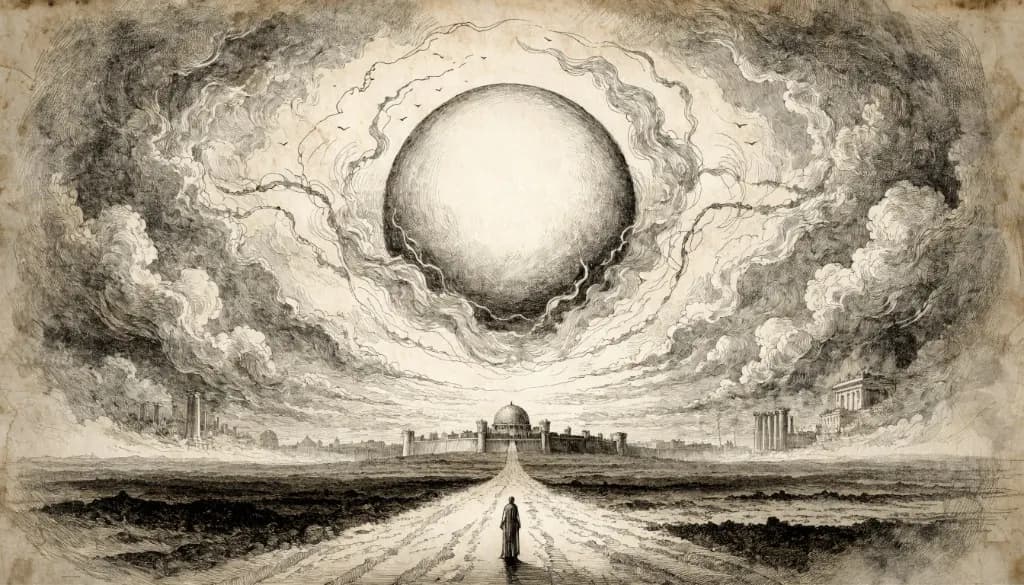
Felsefeyi bir yolculuk şiiri olarak yazdı: Varlık vardır; yokluk düşünülemez.
Elea Okulu'nu Kurar
Parmenides, Elea'da öğrenciler toplar ve onlara kesinlikle tartışmayı öğretir. En ünlüsü Zenon'dur; hareketin imkânsız olduğu yolundaki hocasının iddiasını savunmak için paradokslar icat eder. Elea okulu bir sistemden çok bir yöntem üretir: her iddiayı ya dayanana ya da çökene kadar sıkıştır. Bu katı sorgulama alışkanlığı Platon'u ve onun aracılığıyla neredeyse her şeyi biçimlendirir.
Zenon Elea'yı savunur
Öğrencisi Zenon hareket paradokslarıyla değişim duygusunun çelişkiye düştüğünü gösterdi.
Atina ziyareti
Platon'un diyaloğu yaşlı Parmenides ile genç Sokrates'i buluşturur; kurgu olsa da borç gerçektir.
Elea'da ölümü
Okuluna adını veren kentte öldü; Elealı gelenek Zeno ve Melissos ile sürdü.
Genç Sokrates'le Karşılaşması
Platon, Parmenides'in öğrencisi Zenon ile birlikte Atina'yı MÖ 450 civarında ziyaret ettiğini ve o sırada Sokrates'in genç olduğunu anlatır. Onun adını taşıyan diyalogda, yaşlı Parmenides, Sokrates'in idealar kuramını yıkmak için değil, sınamak için özenle ve titizlikle sorgular. Tarihi olsun ya da olmasın bu karşılaşma, Yunanistan'ın varlık ve bilgi üzerine kendi içinde yürüttüğü tartışmayı görünür kılar.
Etki
Etkilendiği düşünürler
- Xenophanes
Antik gelenek, Ksenophanes'i Parmenides'in hocası ve Elealıların ilki saymıştır; ister tanışmış olsunlar ister olmasınlar, onun ölümlülerden beden ve düşünce bakımından farklı tek bir tanrı olduğu yönündeki argümanı, Parmenides'in izlediği yönü belirlemiştir.
Etkilediği düşünürler
- Plato
Platon bir diyaloğuna Parmenides adını verdi ve onu Sokrates öncesi filozofların en yamanı saydı. İdealar kuramı kısmen Eleacı meydan okumaya bir yanıttır.
- Empedocles
Empedokles, Parmenides'in hiçbir şeyin yoktan var olamayacağı savını kabul etti, sonra değişen dünyayı dört değişmez kökün bir karışımı yaparak kurtardı, değişim, yaratılış değil yeniden düzenlenişti.
- Zeno of Elea
Zenon, paradokslarını Parmenides'i savunmak için yazdı: eğer hareket ve çokluk saçmalığa götürüyorsa, tek ve değişmeyen bir varlık daha az tuhaf bir sonuçtur.
- Leucippus
Atomculuk, Parmenides'e bir cevaptı: Leukippos, varlığın yoktan var olamayacağını kabul etti, ama varlık-olmayanın, yani boş uzayın, var olduğunda ısrar ederek argümanı kırdı ve böylece harekete izin verdi.
Parmenides ile Felsefe Yapın
Bu düşünürün yer aldığı rehberli yollar, münazaralar ve zihin deneyleriyle fikirleri derinleştirin.
Herakleitos ve Parmenides
Her Şey Akıp Gider mi, Yoksa Değişim Bir Yanılsama mı?


