Yolculuk
Bir Yolculuk Seçin
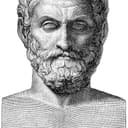
Tales
İlk filozof. Dünya dönüp dururken o durdu ve sordu: her şey neden yapılmış?
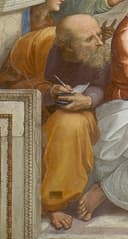
Anaksimandros
Thales neyin var olduğunu sordu. Anaximander cevap verdi: adını koyamayacağın bir şey. Köken sınırsızdır.
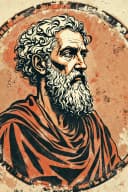
Anaksimenes
Her şey havadır; yoğunlaşır ve seyrelerek dünyayı yaratır. Niteliği nicelikle açıklayan ilk girişim.
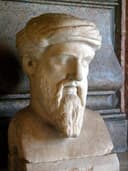
Pisagor
Sayı, evrenin dilidir. Bütün hayatını bu inancın üzerine kurdu.
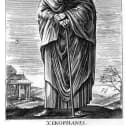
Ksenophanes
Her halkın tanrılarının tıpkı o halka benzediğini fark etti ve bariz sonucu çıkardı.
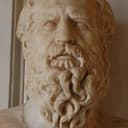
Herakleitos
Her şey akar. Dünya ateştir ve durgunluk kendimize söylediğimiz bir yalandır.
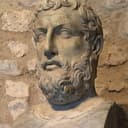
Parmenides
Olan, vardır. Olmayan, düşünülemez. Değişim bir yanılsamadır.
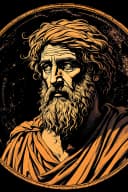
Anaksagoras
Kozmosu Akıl düzenler. Felsefeyi Atina'ya o getirdi ve güneşin bir tanrı değil, kızgın bir kaya olduğunu söylediği için sürgün edildi.
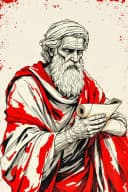
Elealı Zenon
Aşil kaplumbağaya asla yetişemez. Hareket olanaksızdır. Paradoksu felsefi bir silah olarak o icat etti.
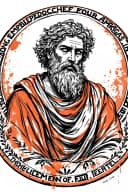
Empedokles
Dört kök: toprak, su, hava, ateş. İki güç: sevgi birleştirir, çekişme parçalar. Bir tanrı olduğunu kanıtlamak için yanardağa atladı.
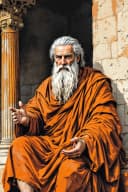
Protagoras
İnsan her şeyin ölçüsüdür. Sofistlerin ilki ve en büyüğü, felsefeyi insanın yargısına doğru çevirdi.
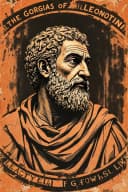
Gorgias
Hiçbir şeyin var olmadığını; olsa bile bilinemeyeceğini; bilinse bile anlatılamayacağını savunan sofist.
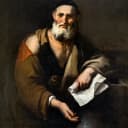
Leukippos
Atomculuğun esas kurucusu sayılır, ama öğrencisinin gölgesinde o kadar geride kalmıştır ki bir filozof onun hiç yaşamadığını iddia etmiştir.
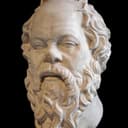
Sokrates
Hiçbir şey yazmadı, ama her şeyi değiştirdi. Felsefe bir söyleve değil, bir konuşmaya dönüştü.
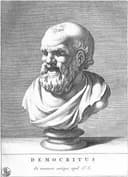
Demokritos
Atomlar ve boşluk. Evren hareket eden parçacıklardan ibarettir ve amaç neşedir.

Antisthenes
Sokrates'ten erdemin her şey olduğunu öğrendi ve bu önermeden yola çıkarak her şeyi söküp attı.
Aristippos
Sokrates'in öğrencisiydi ama ondan tamamen tek bir noktada ayrıldı: dersleri için ücret aldı, rahatlıktan açıkça keyif aldı ve anlık hazzın peşinde koşan bir okul kurdu.
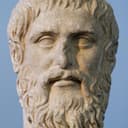
Platon
Dünyanın arkasında bir dünya gördü. İdealar gerçektir; gördüklerimiz gölge.
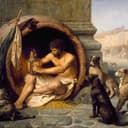
Diogenes
Bir küpün içinde yaşadı, gelenekleri alayla karşıladı ve elinde fenerle dürüstçe bir insan aradı.
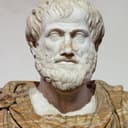
Aristoteles
Dünyayı sınıfladı. Mantık, biyoloji, etik, siyaset; her birine kendi dilini verdi.
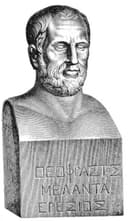
Theophrastos
Aristoteles'in seçtiği halef; ustanın merakını bitkilere, havaya, taşlara ve insan karakterinin küçük komedilerine çevirdi.
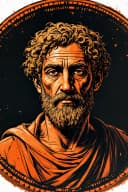
Pyrrhon
Yargıyı askıya al. Bildiğimizi sandığımız dünya, belki de dünya değil.
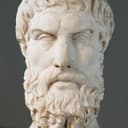
Epikuros
Haz, acının yokluğudur. İyi hayat sessiz, paylaşılan ve korkudan azade bir hayattır.
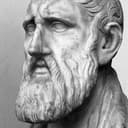
Kıbrıslı Zenon
Bir gemi kazasında her şeyini kaybetti ve felsefeyi buldu. Sonra Stoacılığı kurdu.
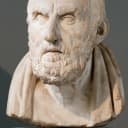
Chrysippus
Eski bir deyişe göre, Khrysippos olmasa Stoa da olmazdı; umut vadeden bir okulu alıp sarsılmaz bir mantık sistemine dönüştürdü.
Karneades
Roma'ya elçi olarak gönderildi, bir gün adaleti savunan parlak bir konuşma yaptı, ertesi gün aynı derecede parlak bir konuşmayla adaleti yerle bir etti ve gerçeğin her iki tarafa da kolayca savunulabileceğini göstermesi yüzünden kentten kovuldu.