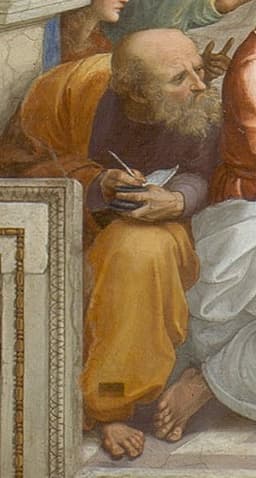
Anaksimandros
Thales neyin var olduğunu sordu. Anaximander cevap verdi: adını koyamayacağın bir şey. Köken sınırsızdır.
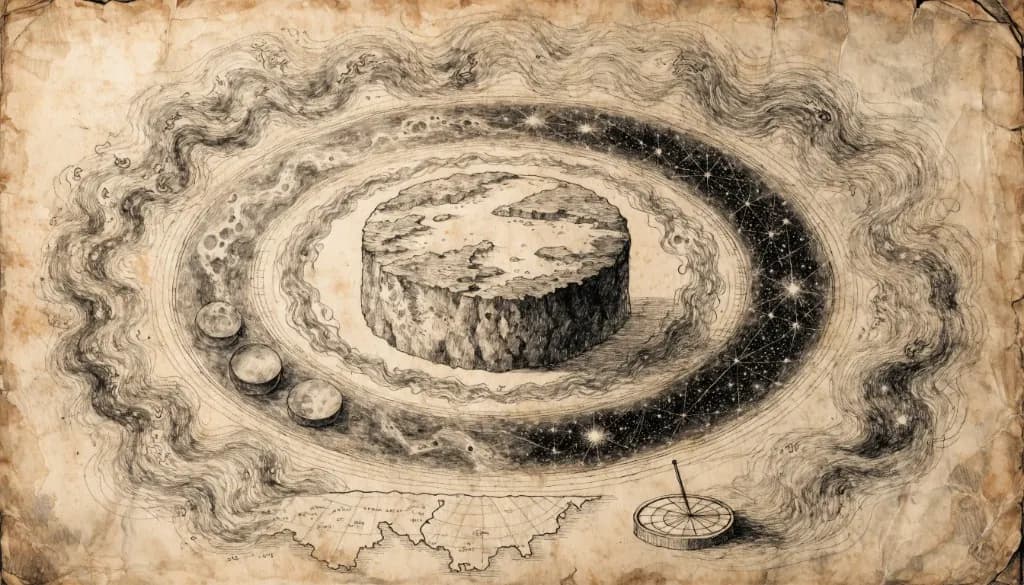
Thales'in genç çırağı olan Anaximander, dünyayı hiçbir tek öğeye bağlamayı reddetti. Su, hava, ateş hepsi sınırlıdır; sınırlı olan her şeyin kaynağı olamaz. Sınırsızı, apeironu önerdi: sonsuz bir madde, karşıtların kendisinden ayrıştığı ve geri döndüğü bir kaynak. Bilinen dünyanın ilk haritasını çizdi, bir güneş saati kurdu ve yerin desteksiz süzüldüğünü öne sürdü. İnsanların başka hayvanlardan türemiş olması gerektiğini bile tahmin etti.

Geriye kalanlar
Kitabı kayıp. Geriye 1 satır kaldı; her biri sonraki bir yazar onu alıntıladığı için.
Yerler
Fikirler
Sözler
“Var olan şeyler nelerse onlardan geliyor ve gereklilik gereği yine onlara dönüşüyorlar; çünkü zamanın düzenine göre birbirlerine haksızlıklarının cezasını ödüyorlar.”
“Yeryüzü hiçbir şey tarafından desteklenmeden, özgürce asılı durur ve her şeyden eşit uzaklıkta olduğu için yerinde kalır.”
Eserler
Hayat ve Anlar
Milet'te Doğdu
İyonya'nın Milet kentinde doğdu. İlk filozoflar çevresinde Thales'in genç bir takipçisiydi.
Felsefenin ilk kitabı
Doğa Üzerine adlı eseri yazdı; bu, bildiğimiz en eski Yunan düzyazı çalışmasıdır. İçinde, her şeyin kaynağı ve dönüş yeri olan sınırsız ilkeyi, apeiron'u ortaya attı. Bu eserden tek bir cümle günümüze ulaşmıştır; o cümle, Batı'daki kayıtlı ilk felsefi argümandır.
Dünyanın İlk Haritası
Bilinen ilk dünya haritasını ve bir gök küre modelini çizdi, kâinatı akılla çizilip anlaşılabilecek bir şey olarak ele aldı.
Etki
Etkilendiği düşünürler
- Thales
Anaksimandros, Miletos'ta Thales'in dostu ve halefiydi. Onun şeylerin kaynağı hakkındaki sorusunu daha cesur bir yöne taşıdı.
Etkilediği düşünürler
- Anaximenes
Anaksimenes, Anaksimandros'un öğrencisiydi ve Miletoslu düşünürlerin üçüncüsüydü.

