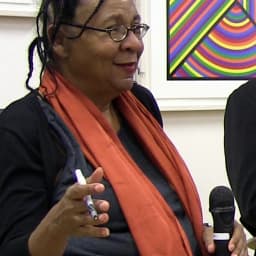
bell hooks
Ev içinin tahakkümün ilk sınıfı olduğunu yazdı ve kariyerini, doğru öğretildiğinde sevginin özel bir duygu değil siyasi bir pratik olduğu üzerinde ısrar ederek geçirdi.
Gloria Jean Watkins, ayrımcılığın hâkim olduğu Kentucky'de büyüdü ve mahlasını büyük büyükannesinden aldı; odağın kendisinden çok fikirlerine kalması için onu küçük harfle yazdı, dürüst düşünceye engel olduğunu düşündüğü egonun küçük bir tipografik reddi. Henüz lisans öğrencisiyken yazdığı Ben Bir Kadın Değil miyim?, ana akım feminizmin siyasetini beyaz orta sınıf kadınların kaygıları etrafında inşa ederken ırk, cinsiyet ve sınıfın Siyah kadınların hayatını nasıl farklı ve daha ağır şekilde biçimlendirdiğini görmezden geldiğini savundu: bu eleştiri, daha sonra kesişimsellik olarak adlandırılacak kavramın zeminini hazırladı. Bu tahakküm sistemlerinin birlikte nasıl işlediğini çarpıtmadan tek tek incelenemeyeceğinde ısrar ederek, kasıtlı olarak hantal bir kısaltma olan 'emperyalist beyaz üstünlükçü kapitalist ataerki' ifadesini icat etti. Sonraki çalışması sevgiye yöneldi; onu özel bir duygu olarak değil, dürüstlük, hesap verebilirlik ve özen gerektiren, herhangi bir başka beceri gibi öğretilip öğrenilebilen bir pratik olarak ele aldı: ve bunun, kariyerini analiz etmeye adadığı ırk, cinsiyet ve sınıf hiyerarşileri tarafından sistematik olarak baltalandığını savundu. Onlarca yıl ders verirken, üniversiteye hiç ayak basmayacak insanlar tarafından okunmak üzere kasıtlı olarak inşa edilmiş bir düzyazıyla otuzdan fazla kitap yazdı.

Yerler
Fikirler
Sözler
“Sevmeyi seçtiğimiz anda, tahakküme ve baskıya karşı harekete geçmeye başlarız.”
“Nadiren, hatta hiçbir zaman, tek başımıza iyileşmeyiz. İyileşme bir birliktelik eylemidir.”
Eserler
Hayat ve Anlar
Üniversite öğretim üyeliği kariyerine başlıyor
hooks, kırk yılı aşkın bir süre boyunca birçok üniversitede öğretim üyeliği yaptı; otuzdan fazla kitap yazdı, yazılarını bilerek üniversite dışındaki, hiçbir sınıfına adım atmayacak kişilerin de okuyabilmesi için kaleme aldı.
Ain't I a Woman'ı Yayımlar
Daha lisans öğrencisiyken yazılan kitapta hooks, ana akım feminizmin siyasetini beyaz orta sınıf kadınların sorunları etrafında kurduğunu; ırk, cinsiyet ve sınıfın birleşerek Siyah kadınların hayatını nasıl şekillendirdiğini görmezden geldiğini savundu. Bu çalışma, daha sonra kesişimsellik olarak adlandırılacak kavramın temelini oluşturdu.
Etki
Etkilendiği düşünürler
- W.E.B. Du Bois
hooks, Du Bois'nun ırkın öz algıyı nasıl şekillendirdiğine dair analizini Siyah kadınların özel konumuna genişletti; ana akım feminizmin ve ana akım sivil haklar düşüncesinin her birinin bir Siyah kadının çifte, hatta üçlü bilincinin yalnızca bir kısmını yakaladığını savundu.
- Simone de Beauvoir
hooks, İkinci Cinsiyet'i vazgeçilmez ama eksik buldu; eğitimli beyaz kadınların durumundan yola çıkan bir feminizmin, bir konumu genel durum sandığını savundu.
Etkilediği düşünürler
- Cornel West
hooks ve West, Siyah entelektüel yaşamı, toplumsal cinsiyet ve yazarın sorumlulukları üzerine diyaloglardan oluşan Breaking Bread'i birlikte yazdı ve sonraki yıllarda alenen tartışmaya devam etti.


