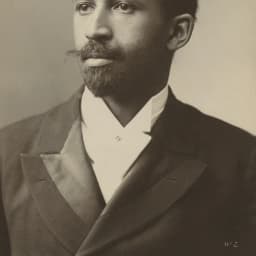
W.E.B. Du Bois
'Çifte bilinç'i (kendini her zaman başkalarının gözüyle görme hissini) adlandırdı ve bu hissi zorunlu kılan dünyayla altmış yıl boyunca savaştı.
Du Bois Massachusetts'te doğdu, Harvard'dan doktora alan ilk Siyah Amerikalı oldu ve Siyah yaşamının koşullarını incelemek üzere güneye gitti. 1903'te yayımlanan Siyah Halkın Ruhları çifte bilinci gündeme taşıdı: Siyah Amerikalıların kendilerini hem oldukları gibi hem de onları sorun olarak gören bir dünyanın gözüyle görme zorunluluğu. Bu yalnızca psikolojik bir gözlem değildi, belirli bir toplumsal hasarı adlandırıyordu. 1909'da NAACP'yi kurdu ve onlarca yıl The Crisis dergisini yönetti. Booker T. Washington'la uzlaşma mı yoksa tam eşitlik mi tartışmasını yürüttü. Weimar Almanyası'na, Sovyet Rusya'ya, Maoist Çin'e gitti ve bulduklarından dolayı Amerikan hükümeti tarafından kovuşturuldu. Martin Luther King Jr.'ın 'Bir Hayalim Var' konuşmasını yaptığı gecenin arifesinde, doksan beş yaşında Gana'da öldü.

Yerler
Fikirler
Sözler
“Yirminci yüzyılın sorunu, renk çizgisinin sorunudur.”
“İnsan her zaman ikiliğini hisseder — Amerikalı, Zenci; iki ruh, iki düşünce, bağdaşmayan iki çaba; tek karanlık bedende savaşan iki ideal.”
“Özgürlüğün bedeli, baskının bedelinden azdır.”
Eserler
Siyah Halkın Ruhları
Afrika-Amerikan felsefesinin kurucu metni. Du Bois çifte bilinci tanıtır ve yirminci yüzyılın sorununun renk çizgisinin sorunu olduğunu savunur. Her bölüm bir köle türküsüyle açılır.
Amerika'da Siyah Yeniden Yapılanma
Yeniden Yapılanma döneminin revizyonist tarihi; Siyah işçilerin İç Savaş sonrasında demokratik değişimin aktif özneleri olduğunu ve tarihsel kayıttan silinmelerinin siyasi bir bastırma eylemi olduğunu savunur.
Hayat ve Anlar
Harvard'dan ilk Siyah Amerikalı doktoru
1895'te Du Bois, Harvard Üniversitesi'nden doktora derecesi alan ilk Afrikalı Amerikalı oldu. Tezi Harvard Tarih Monografileri'nin ilk cildi olarak yayımlandı. Ayrıca Berlin'de Heinrich von Treitschke ve Gustav von Schmoller'in öğrencisi olarak Avrupa sosyal bilimiyle tanıştı.
Siyah Halkın Ruhları yayımlandı
1903'te yayımlanan Siyah Halkın Ruhları, Du Bois'nun Atlantic ve diğer dergilerde yazdığı makaleleri bir araya getirdi. Açılış cümlesi ('yirminci yüzyılın sorunu renk çizgisinin sorunudur') Amerikan entelektüel tarihinin en öngörülü cümlesi olarak kalmaya devam eder. Çifte bilinç, perde ve ikinci görüş kavramları Afrika-Amerikan düşüncesinin temelini oluşturdu.
NAACP'yi kurdu
1909'da Du Bois, ülkenin en güçlü sivil haklar örgütü olacak olan NAACP'yi kurmaya öncülük etti. Dergi The Crisis'i 1910'dan 1934'e kadar yönetti; 100.000 tiraja ulaştırdı. Dergide Langston Hughes'ın şiirleri, Jessie Fauset'nin romanları ve Du Bois'nun giderek daha acil siyasi analizleri yer aldı.
Etki
Etkilendiği düşünürler
- Rabindranath Tagore
Du Bois ve Tagore 1920'lerde birbirlerinin çalışmalarını takip etti. Tagore'un sömürgeciliğe ve Batı merkezci eğitime yönelik eleştirisi, Du Bois'nun renk çizgisini küresel bir sorun olarak çerçevelemesini derinleştirdi.
Etkilediği düşünürler
- Frantz Fanon
Fanon, Du Bois'nun çifte bilinç kavramını Fransız sömürgeciliği bağlamında yeniden işledi. Yeryüzünün Lanetlileri, Du Bois'nun renk çizgisi argümanını doğrudan bir dekolonizasyon çağrısına dönüştürdü.
- Kwame Anthony Appiah
Appiah, Du Bois okuyarak büyüdü ve Benim Babamın Evi'ni kısmen onun ırk felsefesiyle uzun soluklu bir hesaplaşma olarak yazdı. Du Bois'nın ırksal özcülüğüne, yani Afrikalı halklara özgü bir armağan bulunduğu fikrine karşı çıktı; ama projesinin ahlaki ciddiyetini teslim etti.
- Steve Biko
Du Bois'nun çifte bilinç kavramı, Biko'nun Siyah Bilinç felsefesinin arka planında durur. İkisi de psikolojik bütünleşmeyi siyasi özgürlüğün ön koşulu olarak gördü; Biko bunu örgütsel bir ilkeye dönüştürdü.
- bell hooks
hooks, Du Bois'nun ırkın öz algıyı nasıl şekillendirdiğine dair analizini Siyah kadınların özel konumuna genişletti; ana akım feminizmin ve ana akım sivil haklar düşüncesinin her birinin bir Siyah kadının çifte, hatta üçlü bilincinin yalnızca bir kısmını yakaladığını savundu.


