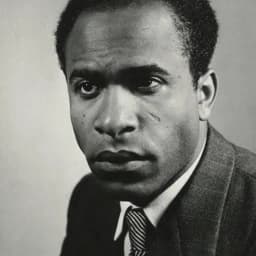
Frantz Fanon
Martinik'te doğdu, Fransa'da psikiyatri okudu ve ömrünü sömürgeciliğin zihinde yaptıklarına adadı.
Fanon, Fransa'da psikiyatri eğitimi aldıktan sonra Cezayir'de çalışmaya başladı. Hastalarının rahatsızlıklarının sömürge yönetiminin şiddetinden ayrılamaz olduğunu gördü. Siyah Deri, Beyaz Maskeler'de sömürgeciliğin sömürülenlerde yarattığı psikolojik hasarı inceledi: Sömürgecinin bakışını içselleştirme, kimlik bölünmesi, insanlığını inkar edenden insan olarak tanınma arzusu. Yeryüzünün Lanetlileri daha ileri gitti: Sömürgecilik şiddettir ve bağımsızlık mücadelesi ondan kaçamaz. 1961'de, Cezayir'in bağımsızlığını kazandığı yıl, otuz altı yaşında lösemiden öldü. Savunduğu şeyin başlangıcını görecek kadar yaşadı; kuşaklarca kurtuluş hareketinin taşıyacağı metni yazdı. Sömürgeci zihnine dair teşhisi, altmış yıl sonra hâlâ işgalin insanlara ne yaptığının en kesin açıklamasıdır.

Yerler
Fikirler
Sözler
“Her kuşak, nispeten belirsizlik içinden kendi görevini keşfetmeli, onu yerine getirmeli ya da ihanet etmelidir.”
“Sömürgeci tarih yapar ve onu yaptığının bilincindedir. Metropolünün tarihine sürekli atıfta bulunduğu için, kendisinin o metropolün bir uzantısı olduğunu açıkça gösterir.”
Eserler
Hayat ve Anlar
Cezayir devrimine katılır
1956'da Fanon, Blida-Joinville Hastanesi'nin başhekimliğinden istifa edip FLN'ye (Ulusal Kurtuluş Cephesi) katıldı. Yıllarca hem Cezayirli hastaları hem de onlara işkence yapan Fransız askerlerini tedavi etmişti. Bu çelişki dayanılmaz hale geldi. FLN'nin Gana büyükelçisi ve devrimin önde gelen kuramcılarından biri oldu.
Yeryüzünün Lanetlileri ölüm döşeğinde yazdırıldı
1960 yılında lösemi teşhisi konan Fanon, Yeryüzünün Lanetlileri'ni on haftada yazdırdı. Tedavi için önce Sovyetler Birliği'ne, ardından Amerika Birleşik Devletleri'ne götürüldü ve kitabın Fransa'da yayımlanmasından haftalar sonra, Aralık 1961'de Washington'da otuz altı yaşında öldü. Sartre'ın yazdığı önsöz neredeyse kitabın kendisi kadar ünlüdür.
Etki
Etkilendiği düşünürler
- Karl Marx
Fanon, Marx'ın yabancılaşma ve sınıf çözümlemesini sömürgeciliğin özgül durumuna genişletti: sömürgeleştirilmiş kişi yalnızca ekonomik olarak sömürülmez, aynı zamanda psikolojik olarak çözülür. Mücadele sadece koşullar için değil, bilinç içindir.
- Jean-Paul Sartre
Sartre, Yeryüzünün Lanetlileri'ne yazdığı önsözde, Fanon'un analizini kendi özgürlük, özgünlük ve insanlıktan çıkarma şiddeti anlayışıyla ilişkilendirdi. Fanon ise sömürge öznelliğini ifade etmek için Sartre'ın varoluşçuluğundan yararlandı.
- Leo Tolstoy
Tolstoy ve Gandhi, 1909'dan Tolstoy'un 1910'daki ölümüne kadar mektuplaştılar. Gandhi, Tanrı'nın Krallığı İçinizdedir'in kendisinde köklü bir dönüşüm yarattığını, Bentham'ı da Mill'i de geri plana ittiğini yazdı. Tolstoy'un şiddetsiz direnişin edilgen olmadığı, şiddetten daha büyük cesaret istediği yolundaki ısrarı, sivil itaatsizlik geleneğinin tamamını biçimlendirdi.
- W.E.B. Du Bois
Fanon, Du Bois'nun çifte bilinç kavramını Fransız sömürgeciliği bağlamında yeniden işledi. Yeryüzünün Lanetlileri, Du Bois'nun renk çizgisi argümanını doğrudan bir dekolonizasyon çağrısına dönüştürdü.
Etkilediği düşünürler
- Steve Biko
Fanon'un Yeryüzünün Lanetlileri, Biko'nun Siyah Bilinç felsefesini biçimlendiren temel metindi. Sömürgeciliğin zihinsel sömürgeleşmeyle başladığı ve özgürlüğün siyasi önce psikolojik olması gerektiği fikri Fanon'dan Biko'ya doğrudan geçti.
- Enrique Dussel
Dussel, Fanon'dan şu ısrarı alır: Sömürgeleşmiş halklar genel bir teori içinde özel bir vaka değil, teorinin yeniden yazılması gereken yerdir.


