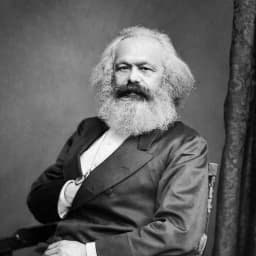
Karl Marx
Felsefenin dünyayı betimlemekten ziyade değiştirmesi gerektiğini söyledi, ve neredeyse hiç kimsenin yapamadığı kadar keskin bir betimleme yaptı.
Marx, felsefe ve hukuk eğitimi aldı, doktora tezini Epikuros üzerine yazdı ve ömrünün kalanını felsefenin dünyayı betimlemek yerine değiştirmesi gerektiğini savunarak geçirdi. İlk çalışmaları felsefe gibi okunur: yabancılaşmış işçi, meta olarak fetiş, insan özünün ifadesi olarak emek. Olgunluk dönemi eserleri bilim gibi okunur: kendi mantığı olan bir sistem olarak kapitalizm, artı değer, kâr oranının düşme eğilimi, yöntem olarak tarihsel materyalizm. Bazı öngörülerinde yanıldı, bazılarında haklı çıktı; bu yargılar her on yılda değişir. Yargıdan tamamen kurtulan şey betimlemedir: insan ilişkilerinin değişim değerine indirgenmesi, ekonomik yapının düşünceyi biçimlendirme gücü, belirli bir düzenlemeden kimin yararlandığının sistemli çözümlemesi. Bu mercek artık temel bir araçtır ve hiç Kapital okumamış insanlar tarafından dahi kullanılır.

Yerler
Fikirler
Sözler
“Filozoflar dünyayı yalnızca çeşitli şekillerde yorumladılar. Oysa asıl mesele onu değiştirmektir.”
“Şimdiye kadarki tüm toplumların tarihi, sınıf mücadeleleri tarihidir.”
Eserler
Hayat ve Anlar
Londra'ya sürekli sürgün
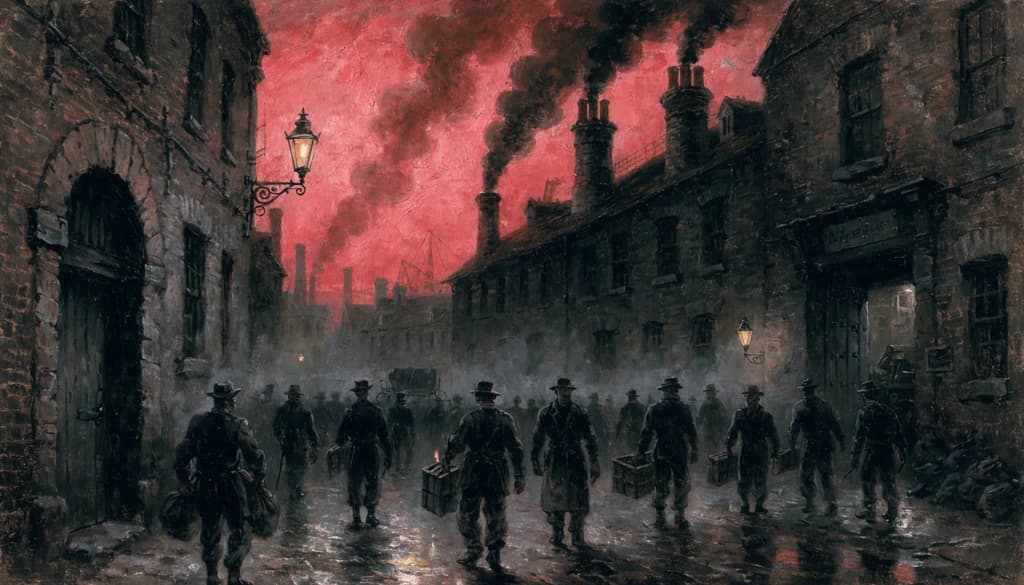
Fransa'dan ve ardından Belçika'dan sınır dışı edilen Marx, 1849'da Londra'ya geldi ve bir daha ayrılmadı. Soho'da yoksulluk içinde yaşadı, Engels'in fabrika gelirine bağımlıydı ve sabahlarını British Museum okuma salonunda Kapital üzerinde çalışarak geçirdi. Okuma salonu otuz yıl boyunca ikinci evi oldu.
Kapital, Birinci Cilt Yayımlandı
Das Kapital, 1867'de Hamburg'da çıktı. Marx, 1840'lardan beri politik ekonomi teorisi üzerinde çalışıyordu; nihai kitap, tasarlanan devasa bir eserin bir parçasıydı. Hayatının geri kalanını ikinci ve üçüncü ciltleri gözden geçirerek geçirdi; bu ciltler ölümünde yarım kaldı ve Engels tarafından düzenlenip yayımlandı.
Etki
Etkilendiği düşünürler
- G.W.F. Hegel
Marx, Hegel'i tersine çevirdi: Hegel'in fikirler diyalektiği, ekonomik güçlerin materyalist diyalektiğine dönüştü. Çelişki ve gelişme mantığını korudu, ama Tin'in yerine gerçek insanların emeğini koydu.
- Ludwig Feuerbach
Marx, Feuerbach'ın dini insanın bir yansıtması olarak açığa çıkarmasını özgürleştirici buldu, ardından kısa ve keskin Feuerbach Üzerine Tezler'ini yazdı. Marx'a göre Feuerbach, insanların böyle yansıtmalara neden ihtiyaç duyduğuna yol açan ekonomik koşulları hiç sormamıştı.
- Baron d'Holbach
Marx ve Engels, kendi materyalizmlerinin bir kısmını Holbach ve Fransız okuluna borçluydu. Onları teolojiyi temizlemekle övmüş, ancak tarihi hesaba katmadıkları için eleştirmişlerdi.
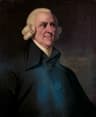
- Adam Smith
Marx, Smith'in satır satır üzerinde çalıştı. Orada bulduğu emek değer kuramını kabul etti ve kendi kendini düzenleyen bir pazarın anlatısını, ürünün sonuçta kime ait olduğu meselesine dönüştürdü.
Etkilediği düşünürler
- Frantz Fanon
Fanon, Marx'ın yabancılaşma ve sınıf çözümlemesini sömürgeciliğin özgül durumuna genişletti: sömürgeleştirilmiş kişi yalnızca ekonomik olarak sömürülmez, aynı zamanda psikolojik olarak çözülür. Mücadele sadece koşullar için değil, bilinç içindir.
- Enrique Dussel
Dussel'in Marx'ın geç dönem defterlerini, özellikle Grundrisse'i, yakından okuması doğrudan kurtuluş felsefesine aktı; Marx'ın sömürü eleştirisini, Avrupa merkezinin zenginliğinin Latin Amerika çeperinin şiddetli sömürüsüne bağlı olduğunu savunmaya genişletti.
- Friedrich Engels
Marx ve Engels birlikte Komünist Manifesto'yu yazdılar ve ömür boyu süren entelektüel ve mali bir ortaklık kurdular; Engels'in aile fabrikasından elde ettiği gelir, Marx'ı onlarca yıl destekledi ve Engels, arkadaşının ölümünden sonra son yıllarını Marx'ın bitmemiş elyazmalarından Kapital'i tamamlayarak geçirdi.
- Jürgen Habermas
Habermas, Frankfurt Okulu'nun toplumun eleştirel teorisi projesini devraldı ve önceki kuşağın akla dayanacak hiçbir şey bırakmadığı sonucuna vardıktan sonra bu projeyi iletişim etrafında yeniden inşa etti.