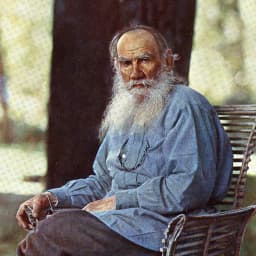
Tolstoy
Yaratılan en büyük iki romanı yazdı, sonra onlardan vazgeçti, çünkü sanattan daha önemli bir şey bulmuştu: nasıl yaşanacağını.
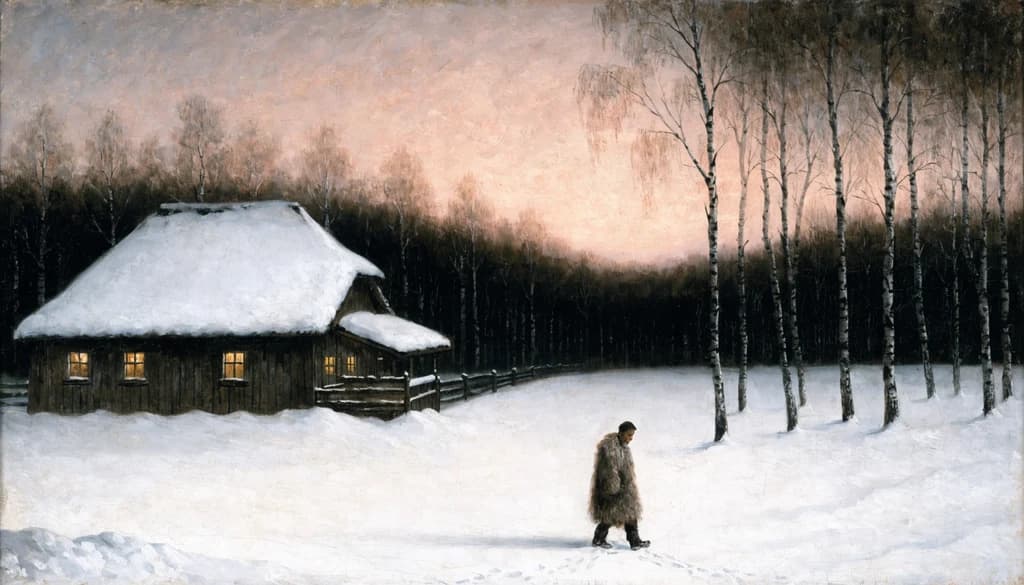
Tolstoy Rus soylularındandı; Kırım'da savaştı, Avrupa'yı gezdi ve eve dönüp bugüne dek aşılmamış insan anlayışıyla dolu iki roman yazdı: Savaş ve Barış ile Anna Karenina. Sonra ellili yaşlarında, önceki yaşamını içten yıkan bir kriz geçirdi. Kurumsal değil, Dağdaki Vaaz'ı kelimesi kelimesine yaşayan bir Hristiyanlık buldu: şiddetsizlik, sadelik, düşmanları sevme, mülkten vazgeçme. Mülkünü dağıttı, kendi çizmesini dikti ve her kıtadan hac ziyaretçisi çeken dünyanın en ünlü ahlak öğretmeni oldu. Genç yaşta okuyan Gandhi bir daha kendini toparlayamadı; ardından Martin Luther King da okudu. Felsefesi akademik değildi, bir talepti: ne kadar zahmetli olursa olsun gerçekten inandığın şeye göre yaşa. Rus Ortodoks Kilisesi onu aforoz etti. 1910'da evinden kaçarken daha sade bir yaşam arayışıyla yola çıktı; uzak bir tren istasyonunda can verdi. Bu ölüm bile tutarlıydı: son ana kadar daha saf bir yere ulaşmaya çalışıyordu.

Kütüphanede Oku
Yerler
Fikirler
Sözler
“Herkes dünyayı değiştirmeyi düşünür, ama kimse kendini değiştirmeyi düşünmez.”
“Bütün mutlu aileler birbirine benzer; mutsuz ailelerin her biri ise kendine özgü bir biçimde mutsuzdur.”
“En güçlü iki savaşçı sabır ve zamandır.”
Eserler
Savaş ve Barış
Her şeyi içeren roman: Napolyon'un Rusya'yı işgali, beş aristokrat ailenin yaşamları ve Tolstoy'un süregelen felsefi argümanı: tarihi büyük adamlar değil, milyonlarca sıradan insanın kolektif iradesi yapar.
Tanrı'nın Krallığı İçinizdedir
Tolstoy'un felsefi manifestosu: devlet ve kurumsal otoriteye karşı şiddetsiz direnişin savunusu, Dağdaki Vaaz'a dayalı. Rusya'da yasaklandı. Gandhi yirmi dört yaşında okudu ve köklü bir dönüşüm yaşadığını yazdı.
Hayat ve Anlar
Savaş ve Barış tamamlandı
Tolstoy 1863'ten 1869'a kadar tüm romanın yedi taslağını yazarak üzerinde çalıştı. Napolyon'un 1812 Rusya işgalini konu alan roman, süregelen bir felsefi argüman da içerir: tarihi büyük adamlar değil, milyonlarca sıradan insanın kolektif iradesi yapar. Napolyon neredeyse komedi figürüne dönüşür. Romanın sonsözü büyük ölçüde felsefidir.
Ruhsal kriz ve dönüşüm
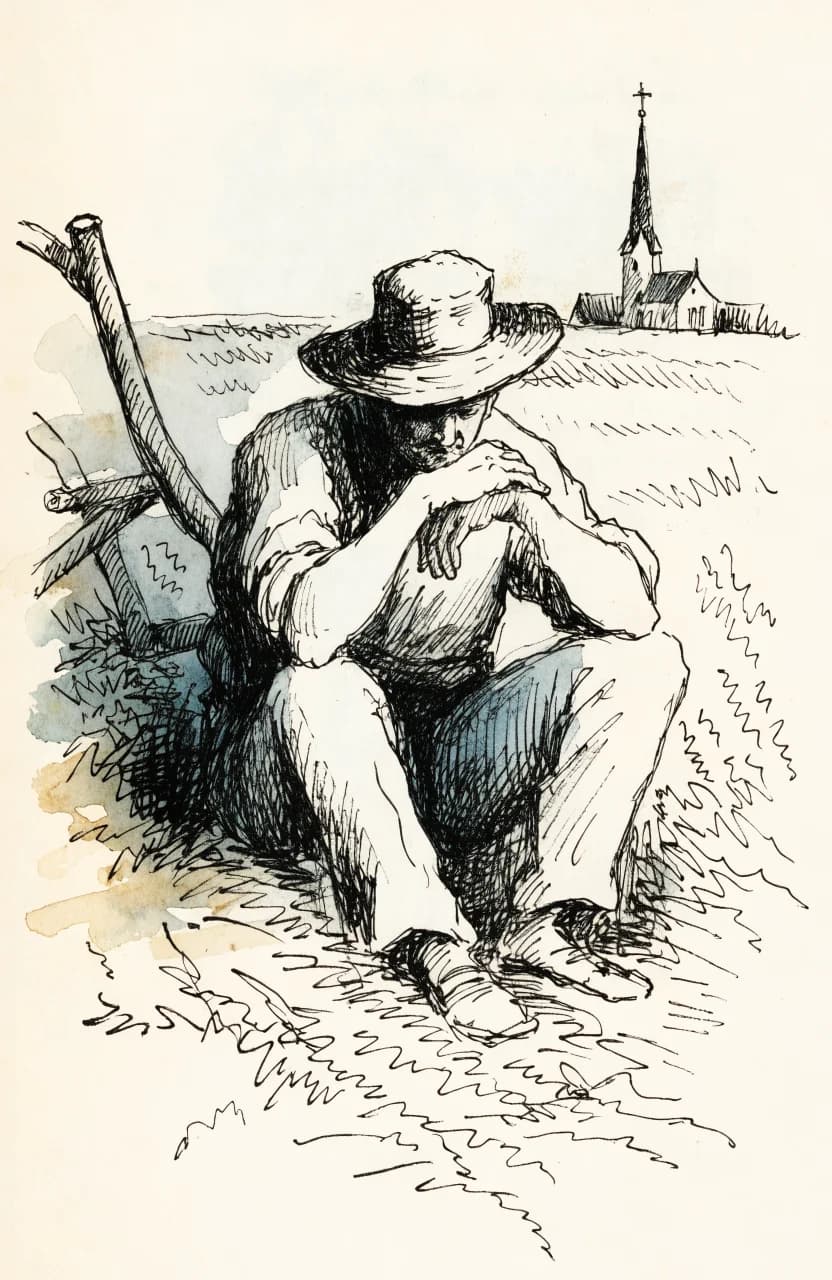
1870'lerin sonunda, şöhretinin doruğundayken Tolstoy, intihardan korktuğu için odalarından ip ve silahları uzaklaştırmak zorunda kaldığı kadar ağır bir anlam krizi geçirdi. Çıkış yolunu felsefede değil, mülkünde çalışan köylülerde buldu, kendilerine niçin sorusunu sormadan çalışıp acı çekip ölen insanlarda. Hristiyanlığa, Dağdaki Vaaz'a döndü ve yaşamının geri kalanını bunu yaşamaya çalışarak geçirdi.
Rus Ortodoks Kilisesi tarafından aforoz edildi
1901'de Kutsal Sinod, Tolstoy'u Kilise, ayinler ve kurumsal Hristiyanlığa yönelik saldırıları gerekçesiyle resmen aforoz etti. Bu, tarihte aforozun kişiyi daha popüler kıldığı ilk vakalardan biriydi: Rusya genelinde destek gösterileri düzenlendi, Kilise binlerce protesto mektubu aldı. Tolstoy bundan etkilenmedi.
Etki
Etkilendiği düşünürler
- Jean-Jacques Rousseau
Tolstoy gençliğinde Rousseau'yu, İncil'in yerini tutacak kadar derin bulduğunu yazmıştır. Rousseau'nun doğal insan ile toplumun yozlaştırıcı etkisi arasındaki karşıtlığı, Tolstoy'un mülkünü terk etme düşüncesinin ham maddesiydi.
Etkilediği düşünürler
- Frantz Fanon
Tolstoy ve Gandhi, 1909'dan Tolstoy'un 1910'daki ölümüne kadar mektuplaştılar. Gandhi, Tanrı'nın Krallığı İçinizdedir'in kendisinde köklü bir dönüşüm yarattığını, Bentham'ı da Mill'i de geri plana ittiğini yazdı. Tolstoy'un şiddetsiz direnişin edilgen olmadığı, şiddetten daha büyük cesaret istediği yolundaki ısrarı, sivil itaatsizlik geleneğinin tamamını biçimlendirdi.

