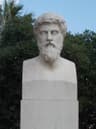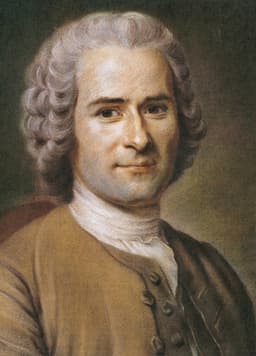
Jean-Jacques Rousseau
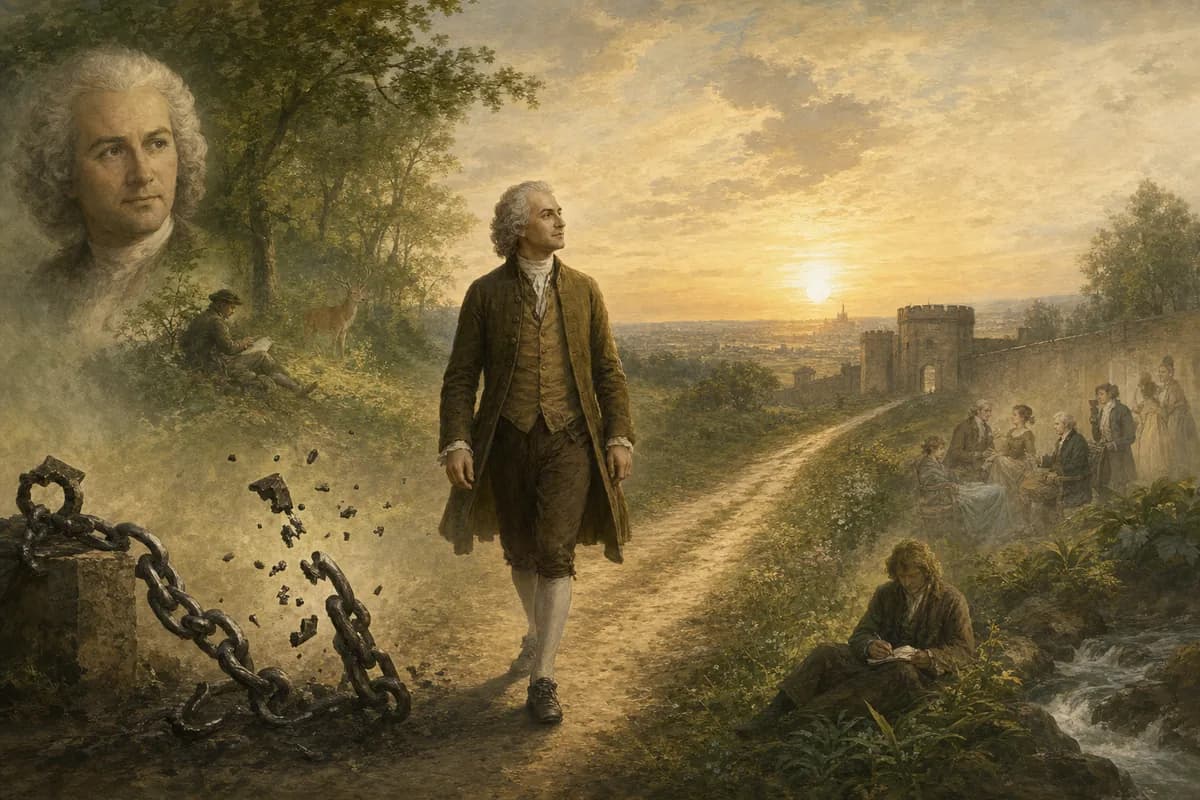
İnsan özgür doğar, ama her yerde zincire vurulmuştur. Bunu bir slogan olarak değil, bir teşhis olarak söyledi. Önerdiği çare, siyasi düşünceyi sonsuza dek değiştirdi.
Rousseau 1712'de Cenevre'de bir saatçinin oğlu olarak doğdu ve hayatını aydınlanma anlarıyla zulüm arasında gidip gelerek geçirdi. 1749'da, hapisteki Diderot'yu ziyarete giderken Vincennes yolunda bir görü yaşadı: uygarlık ilerleme değil, çürümedir. Sanatlar ve bilimler bizi daha iyi değil, daha kötü yaptı. Doğal insan özgür, sağlıklı ve masumdu. Toplum, mülkiyet ve eşitsizlik onu zincire vurdu. Bu savı yayımladı ve bir gecede ünlendi. İkisi de 1762'de yayımlanan Toplum Sözleşmesi ile Emile, Paris'te ve Cenevre'de anında mahkûm edildi ve yakıldı. Yıllarca kaçak yaşadı. 1778'de, hor gördüğü ve kendisini hor gören Voltaire'den iki ay sonra öldü.

Yerler
Fikirler
Sözler
“İnsan özgür doğar, ama her yerde zincire vurulmuştur.”
“Yeryüzünden bir parçayı çitle çevirip 'Bu benim.' demeyi akıl eden ve buna inanacak kadar saf insanlar bulan ilk kişi, sivil toplumun gerçek kurucusudur.”
“Belki daha iyi değilim ama en azından farklıyım.”
Eserler
Eşitsizliğin Kökeni Üzerine Söylev
1755'te yayımlanmıştır. Rousseau, insanın sefaletinin izini özel mülkiyetin ortaya çıkışına ve uygarlığın insanın doğal iyiliği üzerindeki bozucu etkisine sürer.
Toplum Sözleşmesi
1762'de yayımlandı ve Paris'te ve Cenevre'de hemen yasaklandı. Açılış cümlesi Fransız Devrimi'nin parolası haline geldi. Kitap, genel iradeye dayalı bir demokratik özyönetim biçimini savunur.
Hayat ve Anlar
Cenevre'de doğdu
Kalvinist Cenevre cumhuriyetinde doğdu; hayatını disipliniyle öğrettiği özgürlük arasında böldü.
Eşitsizlik Üzerine Söylev
Akademi ödülünü kazandı: uygarlığın insanlığın doğal iyiliğini bozduğunu savundu.
Toplum Sözleşmesi
Meşru iktidarın genel iradeye dayandığı vizyonunu yayımladı; kitap bir yüzyıl devrimlerin hayaletini bıraktı.
Paris yakınlarında ölüm
Ermenonville'deki kulübede, itiraflarını yazarken öldü; doğanın peygamberi halkın dostu olarak gömüldü.
Etki
Etkilendiği düşünürler
- John Locke
Rousseau, Locke'un doğal haklar ve toplum sözleşmesi üzerine yazdıklarını okudu; ardından tartışmayı bireysel onay yerine genel iradeye dayandırarak dönüştürdü.
- Niccolò Machiavelli
Rousseau, Toplum Sözleşmesi'nde 'Prens'in cumhuriyetçiler için bir kitap olduğunda ısrar etti, tiranlara öğretiyor görünürken aslında onları ifşa ediyordu. Bu yorum, Aydınlanma'nın Machiavelli'yi algılayışını şekillendirdi.
- Plutarch
Rousseau, İtiraflar'da Plutarkhos'un kendi başına okuduğu ilk kitap olduğunu ve bu Yaşamlar'ın, daha hiçbir felsefesi yokken mizacını biçimlendirdiğini, ona cumhuriyetçi kahramanlar verdiğini ve bugünü hep onlarla ölçtüğünü yazar.
Etkilediği düşünürler
- Immanuel Kant
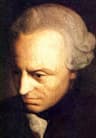
Kant'ın duvarında tek bir resim vardı: Rousseau'nun portresi. Rousseau'nun insan onuru ve özgürlüğü vurgusu, kategorik buyruğu şekillendirdi.
- Mary Wollstonecraft
Wollstonecraft, Rousseau'nun siyaset felsefesine hayrandı ama Emile'de kadın eğitimine dair anlattıklarına öfkelendi; bu kısım, Vindication'ın doğrudan hedefi oldu.
- Edmund Burke
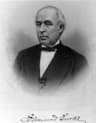
Burke, Fransız Devrimi'ni Rousseau'nun soyutlamalarının gerçekleşmiş hali olarak okudu ve ikisinden de tiksindi.
- Johann Gottfried Herder
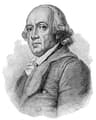
Herder, uygarlığın soyutlamalarına karşı doğal ve tikeli savunan Rousseau'dan değer anlayışını devraldı.
- Leo Tolstoy
Tolstoy gençliğinde Rousseau'yu, İncil'in yerini tutacak kadar derin bulduğunu yazmıştır. Rousseau'nun doğal insan ile toplumun yozlaştırıcı etkisi arasındaki karşıtlığı, Tolstoy'un mülkünü terk etme düşüncesinin ham maddesiydi.
- Olympe de Gouges
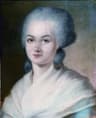
Gouges, Kadın ve Kadın Yurttaş Hakları Bildirgesi'ni devrimin kendi kurucu belgelerinin diliyle, doğal haklar ve genel irade sözcüklerini kullanarak bu sözcüklerin kimleri sessizce dışarıda bıraktığını ortaya çıkarmak için yazdı.
Jean-Jacques Rousseau ile Felsefe Yapın
Bu düşünürün yer aldığı rehberli yollar, münazaralar ve zihin deneyleriyle fikirleri derinleştirin.
Rousseau ve Voltaire
Doğal İnsan ve Genel İrade ile Aydınlanma İlerlemesi ve Akılcı Zeka.