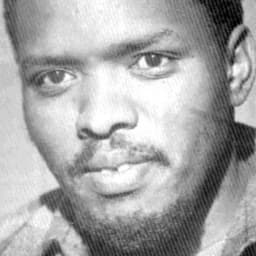
Steve Biko
Zalimlerin elindeki en güçlü silahın ezilenlerin zihni olduğunu söyledi, ve hayatını bu zihnin alternatifini inşa etmeye adadı.
Biko, King William's Town'da doğdu ve apartheid Güney Afrika'sında büyüdü. Natal Tıp Fakültesi'nde öğrenci politikasına girdi; ancak beyaz koşullarda entegrasyonun kurtuluş olmadığını gördü, beyaz üstünlüğü çerçevelerini olduğu gibi bırakıyordu. Siyah Bilinç'i geliştirdi: Siyah insanların siyasi özgürlükten önce psikolojik özgürlüklerini kazanmaları, kendilerini utançla değil onurla görmeleri gerektiğini savundu. Bu ayrılıkçılık değil, bir ön koşuldu. Apartheid hükümeti 1973'te onu yasakladı: kamuoyuna konuşamaz, seyahat edemez, yayın yapamaz, ikiden fazla kişiyle bir araya gelemezdi. Organize etmeye devam etti. Ağustos 1977'de güvenlik polisi onu bir kontrol noktasında tutukladı. Beyin hasarı oluşana dek dövdüler, ardından onu çıplak halde polis aracının bagajına koyup dokuz yüz kilometre uzaktaki Pretoria'ya götürdüler. 12 Eylül 1977'de hapishane koğuşunun zemininde can verdi; otuz yaşındaydı. Gazeteci arkadaşı Donald Woods ülkeden kaçarak onun hikâyesini dünyaya duyurdu.

Yerler
Fikirler
Sözler
“Zalimlerin elindeki en güçlü silah, ezilenlerin zihnidür.”
“Ya yaşıyor ve gururlusun, ya da ölüsün — ölüysen zaten umursamıyorsun.”
“Siyah Bilinç, özünde, Siyah insanın ezilme nedeni etrafında kardeşleriyle birleşme ihtiyacını fark etmesidir.”
Eserler
Hayat ve Anlar
Güney Afrika Öğrenciler Örgütü'nü kurdu
1969'da Biko, çok ırklı Ulusal Güney Afrika Öğrencileri Birliği'nden (NUSAS) ayrılan SASO'nun kurulmasında belirleyici rol oynadı. NUSAS'ın entegrasyonunun beyaz koşullarda entegrasyon olduğunu, Siyah öğrencilerin beyaz liberal çerçevede ikincil ortak kaldığını savundu. SASO, Siyah Bilinç felsefesinin örgütsel temeli oldu.
Apartheid hükümeti tarafından yasaklandı
1973'te apartheid hükümeti Biko'ya yasak kararı çıkardı: kamuoyuna konuşamaz, yayın yapamaz, mülkü dışına seyahat edemez, ikiden fazla kişiyle bir araya gelemezdi. Hiçbir suçlama yoktu. Evinde insanlarla bire bir görüşerek organize etmeye devam etti. Yasak, hükümeti Siyah Bilinç'i gerçek bir tehdit olarak gördüğünü kanıtladı.
Polis gözetiminde öldürüldü
18 Ağustos 1977'de Biko bir kontrol noktasında tutuklandı. Güvenlik polisi onu çıplak ve zincirle sorguya çekti, beyin hasarı oluşana dek dövdü. 11 Eylül'de, hâlâ bilinçsiz haldeyken, polis aracının bagajında dokuz yüz kilometre uzaktaki Pretoria'ya götürüldü. 12 Eylül'de hapishane zemininde can verdi. Otuz yaşındaydı. Hiç kimse mahkûm edilmedi.
Etki
Etkilendiği düşünürler
- Frantz Fanon
Fanon'un Yeryüzünün Lanetlileri, Biko'nun Siyah Bilinç felsefesini biçimlendiren temel metindi. Sömürgeciliğin zihinsel sömürgeleşmeyle başladığı ve özgürlüğün siyasi önce psikolojik olması gerektiği fikri Fanon'dan Biko'ya doğrudan geçti.
- W.E.B. Du Bois
Du Bois'nun çifte bilinç kavramı, Biko'nun Siyah Bilinç felsefesinin arka planında durur. İkisi de psikolojik bütünleşmeyi siyasi özgürlüğün ön koşulu olarak gördü; Biko bunu örgütsel bir ilkeye dönüştürdü.

