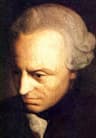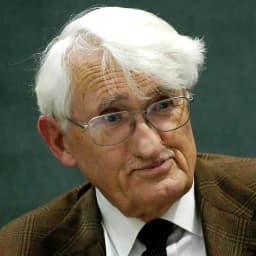
Jürgen Habermas
Meşru otoritenin gerçek anlamda kamusal akıl yürütmeyi gerektirdiğini ve bunun ütopik bir ideal değil, pratik bir talep olduğunu savunur.
Habermas savaş sonrası Almanya'sında büyüdü ve kuşağının peşini bırakmayan soruyu sordu: yüksek kültür ve sistematik felsefe uygarlığı nasıl oldu da Auschwitz'i üretti? Cevabı Frankfurt Okulu'na ve dil felsefesine dayanıyordu. Yanlış giden şey, aklın araçsal biçimine indirgenmesiydi, verili amaçlara yönelik araçların optimize edilmesi. Gerekli olan ise iletişimsel akıldı: gerçek diyalogda kullanılan, tek gücün daha iyi argümanın gücü olduğu akıl türü. İletişimsel Eylem Kuramı bunu bir toplum felsefesine dönüştürdü. Demokrasi üzerine sonraki çalışmaları, meşru siyasi otoritenin, vatandaşların baskı olmaksızın birlikte akıl yürüttüğü bir kamusal alan gerektirdiğini savundu. Felaketten sonra Avrupa düşüncesini yeniden inşa eden kuşağın son temsilcilerinden biridir. Tartışmayı hiç bırakmadı.


Yerler
Fikirler
Sözler
“Anlaşmaya varmak, insan konuşmasının özsel ereğidir.”
“Modernite — tamamlanmamış bir proje.”
Eserler
Hayat ve Anlar
Adorno ile Frankfurt Okulu'na katılır
1956'da Habermas, Frankfurt'taki Sosyal Araştırmalar Enstitüsü'nde Adorno'nun asistanı oldu. Eleştirel teori geleneğini (toplumsal analizi özgürleştirici hedeflerle birleştirme kararlılığını) benimsedi ve dönüştürmeye başladı. Yaşlı Frankfurt kuramcıları akla karşı karamsarlaşırken, Habermas akılda gerçekleşmemiş bir demokratik potansiyel buldu.
İletişimsel Eylem Kuramı
1981'de iki cilt halinde yayımlanan bu eser, Habermas'ın ana sistemli çalışmasıdır: aklın dil ve iletişime nasıl gömülü olduğunu anlatır. Ona göre rasyonel eylem, doğası gereği karşılıklı anlayışa yöneliktir. Bundan demokrasi kuramını türetir: meşruiyet, akla dayalı kamusal söylemden gelir.
Etki
Etkilendiği düşünürler
- Hannah Arendt
Arendt'in siyasal alanı görünme, tartışma ve çoğul eylem mekânı olarak çözümlemesi, Habermas'ın iletişimsel rasyonellik ve kamusal alan kuramının temel kaynaklarındandır.
- Immanuel Kant
Habermas, Kant'ın bir maksimin herkes için geçerli olup olmadığını sınama yöntemini korur ama bu sınamanın yerini değiştirir: artık soru, bir kişinin tek başına neyi isteyebileceği değil, kimsenin zorlanmadığı bir tartışmada etkilenen herkesin neye razı olabileceğidir.
- Karl Marx
Habermas, Frankfurt Okulu'nun toplumun eleştirel teorisi projesini devraldı ve önceki kuşağın akla dayanacak hiçbir şey bırakmadığı sonucuna vardıktan sonra bu projeyi iletişim etrafında yeniden inşa etti.
Etkilediği düşünürler
- John Rawls
Habermas ve Rawls, 1990'ların ortasında siyasal liberalizmin kapsamlı öğretiler karşısında tarafsız kalıp kalamayacağı üzerine yayımlanmış bir yazışma yürüttü. Bu, yirminci yüzyıl sonu siyaset felsefesindeki en özenli anlaşmazlıktı.
- Enrique Dussel
Dussel, uzun bir kamu yazışmasında, tüm katılımcıların üzerinde anlaşabileceği bir zemine dayanan etiğin, hâlâ masada olan katılımcıları varsaydığını ve konuşmanın dışında kalanların asıl mesele olduğunu ileri sürdü.