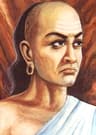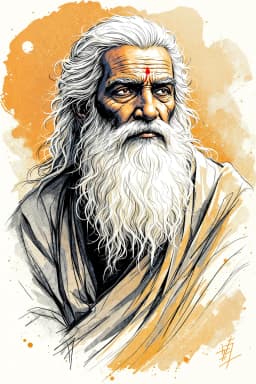
Kapila
Hindistan'ın en eski sisteminin, gerçekliği ruh ve maddeye bölen Samkhya'nın kurucusu sayılan bilge.
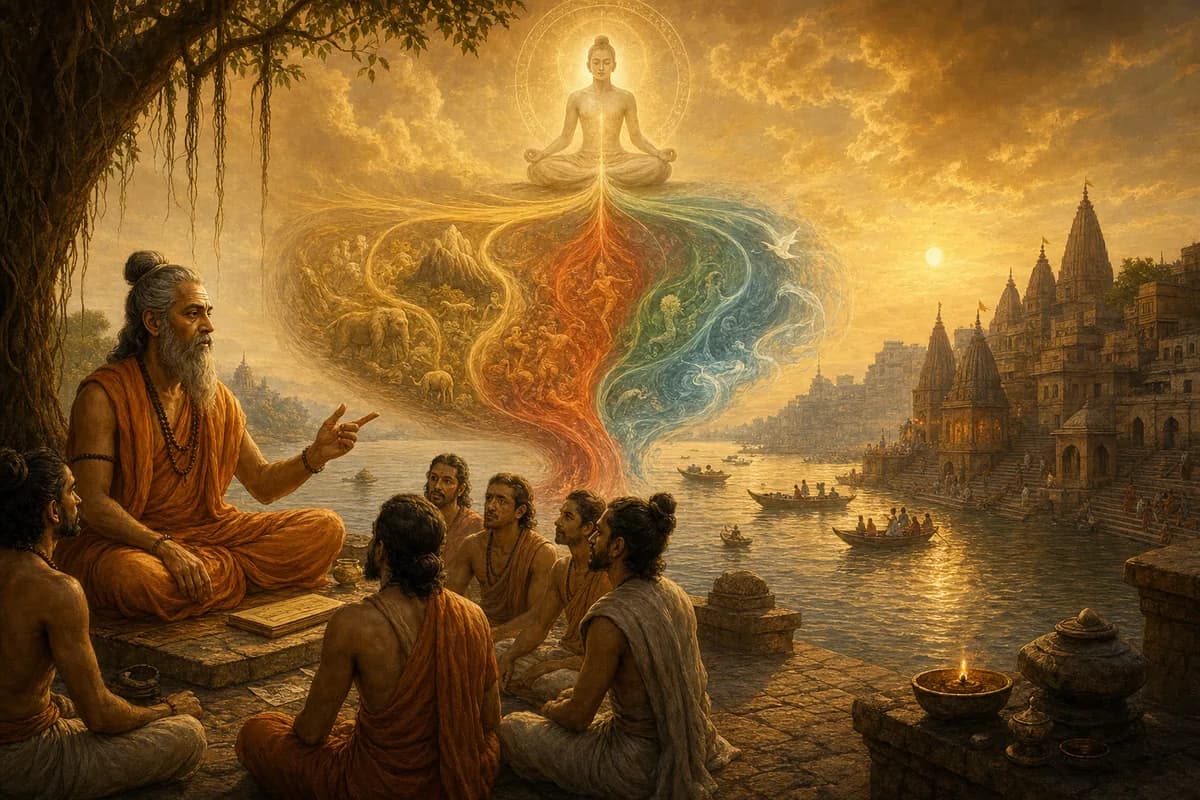
Kapila, Samkhya'nın efsanevi kurucusudur; bu sistem Hint düşüncesinin en eskisi arasındadır. Her şeyi ikiye böler: saf tanık bilinç (purusha) ve zihnin ve dünyanın üç ipliğin oyunuyla açılıp geliştiği etkin madde (prakriti). Acı, tanığı gösteri ile karıştırmaktan kaynaklanır; kurtuluş, onları ayrı görmekten. Sistem, Yoga ve pek çok sonraki Hindu felsefesinin metafizik iskeletini sağlamıştır.

Yerler
Fikirler
Sözler
“Ruh ile maddenin birbirine dolanmasından dünya oluşur; onları ayrı görmektense ruh özgürleşir.”
Eserler
Hayat ve Anlar
Samkhya bilgesi
Hindistan'ın en eski sistematik felsefesinin efsanevi kurucusu; ruh ile maddeyi ayırdı.
Samkhya'nın kuruluşu
Tanrık ruh ile etkin maddeyi ayıran en eski Hint sistemine atfedilir.
Ruh ve madde
Purusha tanık eder, prakriti üç iplikle hareket eder; acı ikisini karıştırmaktan gelir.
Ayırt etme yoluyla kurtuluş
Özgürlük ruh ile maddeyi ayırmayı görmektir; bilgi spektakülü sona erdirir.
Etki
Etkilediği düşünürler
- Patanjali
Patanjali'nin Yoga'sı, tanıklık eden ruh ve etkin madde metafiziğini doğrudan Kapila'nın Samkhya'sından almıştır.
- Chanakya
Arthashastra, anvikshiki'yi, muhakeme disiplinlerini, içlerinde Sankhya'yı da sayarak, bir hükümdarın ustalaşması gereken dört bilimden biri olarak adlandırarak açılır; felsefeyi tefekkürden ziyade yönetimin bir aracı olarak ele alır.