Plutarch
He believed character is destiny, and proved it by writing the lives of famous men side by side.
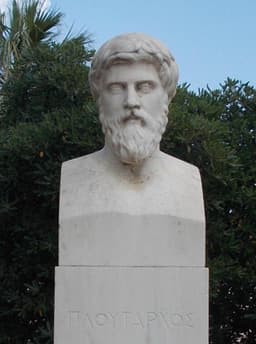
Plutarch lived his whole life in the small Greek town of Chaeronea, served for decades as a priest at Delphi, and wrote the most widely read prose of the ancient world. His Parallel Lives pairs a Greek with a Roman and asks not what they did but who they were, because a single jest or gesture can reveal a soul more than a won battle. A Platonist by training and a moralist by temperament, he wrote essays on everything from anger to the silence of the oracles. Shakespeare built three plays on his pages.

Read in the Library
Places
Ideas
Words
“The mind is not a vessel to be filled, but a fire to be kindled.”
Works
Parallel Lives
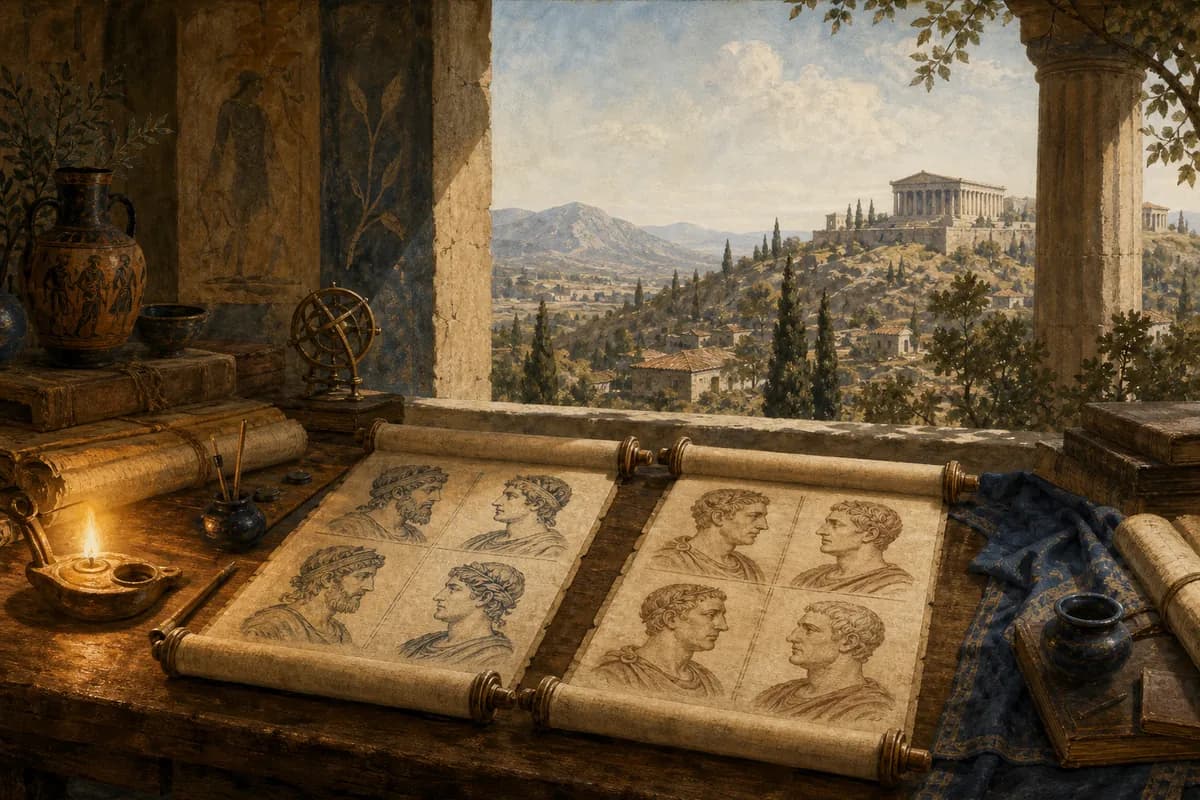
Biographies pairing a famous Greek with a famous Roman, written to illuminate character rather than to chronicle events. Plutarch believed a single jest or gesture could reveal a soul more truly than a won battle.
Moralia
The essays Plutarch wrote when he was not writing lives: on education, on anger, on talkativeness, on how to tell a friend from a flatterer. Practical, discursive, and full of examples, they were read for centuries as a manual for conducting oneself well.
Life & Moments
Born in Chaeronea
Born in the small Boeotian town that he would make his lifelong home.
The Moralia
Wrote essays on anger, friendship, oracles, and how to listen: philosophy as daily self-examination, not school doctrine.
Priest at Delphi
Served for decades as a priest of Apollo at Delphi, tending the most famous oracle of the Greek world through its long decline.
The Parallel Lives
Paired Greek and Roman statesmen to ask what character looks like in action. Shakespeare would later build plays on his pages.
Death in Chaeronea
Died in the town he never left, having turned a provincial home into one of antiquity's great workshops of moral biography.
Influence
Influenced by
- Plato
Plutarch belonged to the Academic tradition and wrote against the Stoics and Epicureans from that position, treating Plato as the standard against which the other schools had to answer.
Influenced
- Montaigne
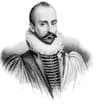
Montaigne quarried Plutarch endlessly; the Essays are steeped in his Lives and his morals.
- Jean-Jacques Rousseau
Rousseau wrote in the Confessions that Plutarch was the first book he read on his own and that the Lives shaped his temperament before he had any philosophy, giving him the republican heroes he never stopped measuring the present against.
- Apuleius
Apuleius worked the same seam as Plutarch, popular Platonism with an appetite for daemons and religion, and the narrator of the Metamorphoses even claims descent from Plutarch's family.