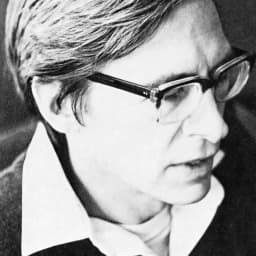
John Rawls
Hiç kimse olduğunu bilmeseydin hangi adalet ilkelerini seçerdin diye sordu. Yanıtı beklenenden çok daha radikaldi.
Rawls, Yirmi yıl boyunca yazdığı Bir Adalet Teorisi 1971'de yayımlandı ve Mill'den bu yana siyaset felsefesindeki en çok tartışılan eser haline geldi. Kitabın temel aracı cehalet perdesiydi: Toplumunu yönetecek ilkeleri, o toplumdaki yerini, ırkını, sınıfını, yeteneğini veya servetini, bilmeden seçtiğini hayal et. Bu perdenin arkasından, akılcı insanların iki ilke seçeceğini öne sürdü: herkes için eşit temel haklar ve ancak en avantajsız olana fayda sağladığında izin verilen ekonomik eşitsizlikler. İkinci ilke göründüğünden daha talepkârdı: eşitsizliğe salt kendisi için değil, ancak tabanı yükselttiğinde izin veriyordu. Argümanını hayatının geri kalanında revize etti ve genişletti; belirli bir akılcılık anlayışına daha az, iyi yaşam hakkında temelde farklı görüşlere sahip insanlar arasındaki siyasi bir mutabakat fikrine daha çok dayandırdı. Sessizdi, metodikti ve ketumdu. Argüman işi görüyordu.


Yerler
Fikirler
Sözler
“Adalet, toplumsal kurumların ilk erdemidir, tıpkı hakikatin düşünce sistemlerinin ilk erdemi olması gibi.”
“Her insan, adalet temelinde dokunulmaz bir öze sahiptir; bu öz, toplumun genel refahı tarafından bile geçersiz kılınamaz.”
Eserler
Hayat ve Anlar
Princeton doktorası ve erken kariyer
Rawls, 1950'de Princeton'da doktorasını tamamladı. Etik yargılar üzerine tezi, daha sonra 'yansıtıcı denge' olarak adlandırılacak fikrin ilk taslağıydı; bu fikir, sezgilerimiz ve teorilerimiz arasında gidip gelerek, bunlar uyumlu hale gelene kadar etik ilkelere ulaştığımızı öne sürer. Sonraki yirmi yılını bu yaklaşımı geliştirerek geçirdi.
Bir Adalet Teorisi siyaset felsefesini yeniden şekillendiriyor
1971'de yayımlanan Bir Adalet Teorisi, Mill'den beri siyaset felsefesinin en önemli eseri olarak hemen tanındı. Toplum sözleşmesi geleneğini canlandırdı, akademik felsefedeki faydacı uzlaşmayı bozdu ve liberal eşitlikçiliğe sistematik bir temel kazandırdı. Rawls kariyerinin geri kalanını onu savunup gözden geçirerek geçirdi.
Etki
Etkilendiği düşünürler
- Jürgen Habermas
Habermas ve Rawls, 1990'ların ortasında siyasal liberalizmin kapsamlı öğretiler karşısında tarafsız kalıp kalamayacağı üzerine yayımlanmış bir yazışma yürüttü. Bu, yirminci yüzyıl sonu siyaset felsefesindeki en özenli anlaşmazlıktı.
Etkilediği düşünürler
- Martha Nussbaum
Nussbaum, yetenekler yaklaşımını kısmen Rawls'a bir cevap olarak geliştirdi: Rawls'un birincil mallar tanımı çok inceydi ve çok fazla kaynaklara odaklanmıştı, insanların tam anlamıyla insanca yaşamak için gerçekten neye ihtiyaç duyduğunu gözden kaçırıyordu.
- Kwame Anthony Appiah
Appiah, Rawlsçu liberal siyaset felsefesi geleneği içinde çalışır ve onu kimlik, çok kültürlülük ve kültürel farklılıklar arası aidiyet etiğiyle buluşturur.


