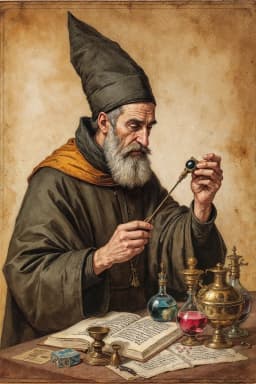
Roger Bacon
Bir soruyu otoritenin değil deneyin çözdüğünde ısrar eden ve uçan makineleri dört yüzyıl erken çizen Fransisken.
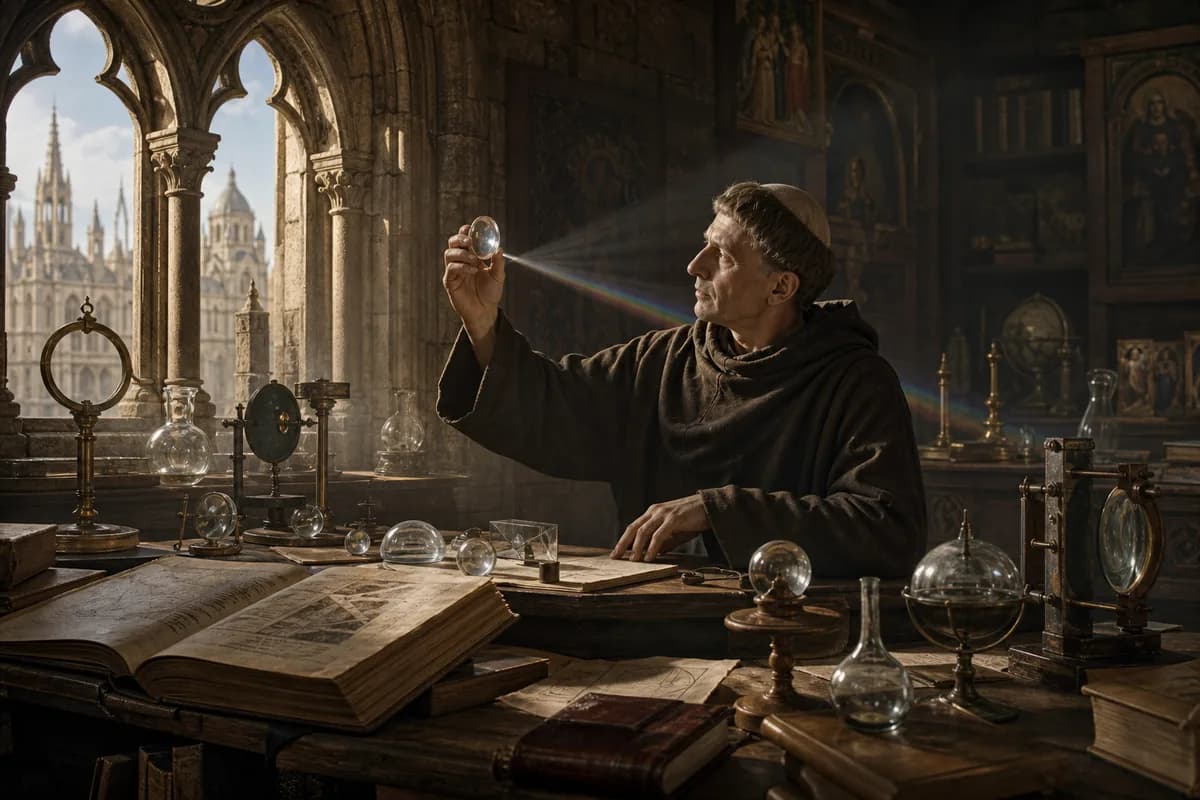
Roger Bacon Oxford ve Paris'te ders verdi ve eski kitapları aktarmaya dayalı bir öğrenimden bıktı. Bilgi, dedi, iki kaynaktan gelir: yalnızca öneren akıl yürütme ve tek başına doğrulayan deneyim. Optik, matematik, diller ve simya çalışmasına çağırdı, merceklerle deneyler yaptı, kendinden hareketli arabalar ve uçuş makineleri hayal etti. Coşkusu çağını aştı ve kendi tarikatından kuşku getirdi. Ama doğanın doğrudan sorgulanması talebi onu bilimsel yöntemin habercisi yapar.

Yerler
Fikirler
Sözler
“Muhakeme bir sonuca varır, ancak onu kesin kılmaz; meğer ki akıl, onu deneyim yolundan keşfetsin.”
Eserler
Hayat ve Anlar
İngiltere'de doğdu
Oxford ve Paris'te okudu ve öğretti; otoriteye dayalı öğrenmeye sabırsızdı.
Deney otoriteden üstün
Bilginin akıldan ve deneyden geldiğini savundu; doğanın doğrudan sorgulanması gerektiğini öğretti.
Opus Majus
Papaya deney, matematik, optik ve dillerin bilginin gerçek yolları olduğunu anlatan dev bir öneri gönderdi.
Şüphe ve hapis
Simya ve yasak öğrenim tutkusu şüphe uyandırdı; geleneğe göre kendi tarikatı içinde hapsedildi.
Etki
Etkilendiği düşünürler
- Ibn al-Haytham
Roger Bacon, İbn Heysem'in Optik Kitabı'nı Latince çevirisinden doğrudan inceleyerek hem görme kuramını hem de deneysel doğrulama vurgusunu benimsedi. Bacon'ın optik ve bilimsel yöntem üzerine yazıları bu borcu açıkça itiraf eder.
- Aristotle
Roger Bacon, Paris'te yeni bulunan Aristoteles üzerine ders verdi, ancak yorumculuğun yeterli olmadığına karar verdi; matematik ve deneyin, hiçbir metnin yapamayacağı işi görmesi gerektiğini düşündü.
- Al-Kindi
Bacon, el Kindi'nin bir cismin her noktasından gücün düz çizgiler halinde nasıl yayıldığına dair anlatımından yararlandı ve bunu İbn Heysem'in optik çalışmalarıyla birleştirerek kendi türlerin çoğalması teorisini oluşturdu.


