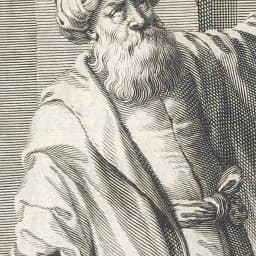
İbnü'l-Heysem
Bilimsel yöntem denen şey ortada yokken, doğayla ilgili iddiaların otoriteye ya da salt akla değil, kontrollü deneye dayandırılması gerektiğini söyleyen ve bu ilkeyle ışık ve görme çalışmalarını baştan yaratan kişi.
İbnü'l-Heysem, Basra'da eğitim gördükten sonra cesur bir iddiayla Kahire'ye geldi: Fatımi halifesine Nil'in yıllık taşkınlarını düzenleyebileceğini söyledi. Nehirde yaptığı bir keşif gezisi, gerekli antik mühendisliğin mevcut hiçbir teknolojiyle mümkün olmadığını gösterdi. Mutlak bir hükümdara başarısızlığını itiraf etmektense, yıllarca deli taklidi yaparak idamdan kurtulduğu ve zorla tecrit edilmiş bu halde yazdığı rivayet edilir. Başyapıtı Kitâbü'l-Menâzır, hem Öklid hem Batlamyus tarafından savunulan, gözün nesnelere dokunan ışınlar yaydığı şeklindeki kadim teoriyi yıktı; görmenin, ışığın nesnelerden yansıyıp göze girmesiyle oluştuğunu öne sürdü ve bu iddiayı aynalar, mercekler ve ışığın nasıl yayılıp görüntü oluşturduğunu göstermek için yaptığı karanlık oda düzeneğiyle dikkatlice tarif edilmiş deneylere dayandırdı. Tarihsel açıdan belirleyici olan sadece vardığı sonuç değil, yöntemiydi: İbnü'l-Heysem, kendisinden önceki neredeyse herkesten daha sistematik bir şekilde, doğayla ilgili iddiaların Aristo'nun otoritesine ya da saf geometrik akıl yürütmeye dayanarak değil, kontrollü ve tekrarlanabilir deneylerle sınanması gerektiğini savundu. Bilim tarihçileri, bu ilkeyi gitgide modern deneysel yöntemin gerçek bir öncülü olarak kabul etmektedir. Matematik ve astronomi alanlarında da aynı titizlikle yazdı; kavisli aynalarda yansımayı ele alan, şimdi Alhazen Problemi denen geometrik analiz, ancak on yedinci yüzyılda tam olarak çözülebildi. Latince çevirisi De Aspectibus, birkaç kuşak içinde Orta Çağ Avrupası'na ulaştı ve Roger Bacon, Witelo ve en sonunda Kepler'in optik çalışmalarına yön vererek İbnü'l-Heysem'i İslam dünyasından Avrupa geleneğine geçen en etkili bilimsel zihinlerden biri haline getirdi.

Yerler
Fikirler
Sözler
“Hakikat peşinde koşan, eskilerin yazılarını inceleyip onlara güvenen değil; onlara olan inancını sorgulayan ve onlardan edindiğini tartışandır.”
“Işık, saydam cisimlerin içinden yalnızca düz çizgiler halinde geçer... ve görme, görünen nesnelerden göze ulaşan ışık ve renk formları aracılığıyla gerçekleşir.”
Eserler
Hayat ve Anlar
Nil projesi başarısız olunca deli taklidi yapar
Fatımi halifesine Nil’in yıllık taşkınlarını düzenleyebileceğini söyleyen İbn Heysem, bu işin mevcut teknolojiyle mümkün olmadığını anlayınca idam edilmekten kurtulmak için yıllarca deli taklidi yaptığı ve zorunlu tecridini yazmaya ayırdığı rivayet edilir.
Kitâbü'l-Menâzır'i Tamamlar
İbn Heysem, antik dönemin görmeyle ilgili ışın çıkışı kuramını altüst eden başyapıtını tamamladı; görüşünü, yine kendi yaptığı aynalar, mercekler ve bir karanlık oda ile gerçekleştirdiği kontrollü deneylere dayandırmıştı.
Etki
Etkilendiği düşünürler
- Aristotle
İbn Heysem, görmenin gözden yayılan ışınlarla gerçekleştiğini söyleyen Aristotelesçi ve Öklidçi kuramı irdeledi, sonunda reddetti ve yerine denetime dayalı deneye değil, içe alım kuramını koydu.
Etkilediği düşünürler
- Roger Bacon
Roger Bacon, İbn Heysem'in Optik Kitabı'nı Latince çevirisinden doğrudan inceleyerek hem görme kuramını hem de deneysel doğrulama vurgusunu benimsedi. Bacon'ın optik ve bilimsel yöntem üzerine yazıları bu borcu açıkça itiraf eder.

