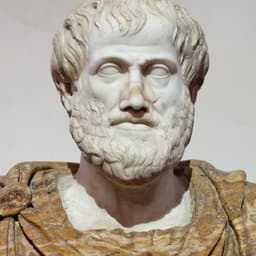
Aristoteles
Dünyayı sınıfladı. Mantık, biyoloji, etik, siyaset; her birine kendi dilini verdi.
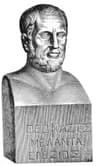
Aristoteles yirmi yıl Platon'un öğrencisi oldu, sonra ömürlük bir anlaşmazlığa girişti. Platon yukarıya, İdealara bakarken Aristoteles etrafa baktı: hayvanlara, anayasalara, akıl yürütmelere, yıldızlara. Biçimsel mantığı icat etti, biyolojiyi bir disiplin olarak kurdu ve etik üzerine hâlâ geçerliliğini koruyan bir berraklıkla yazdı. Büyük İskender'i eğitti, Atina'da Lykeion'u kurdu ve arkasında yüzyıllar boyunca bilginin şeklini belirleyen bir külliyat bıraktı.

Kütüphanede Oku
Yerler
Fikirler
Sözler
“Biz, tekrar tekrar yaptığımız şeyiz. O hâlde mükemmellik bir edim değil, bir alışkanlıktır.”
“Kendini bilmek, tüm bilgeliğin başlangıcıdır.”
“Eğitimli bir aklın işareti, bir düşünceyi kabul etmeden onu düşünebilmektir.”
Eserler
Nikomakhos'a Etik
Aristoteles'in etik üzerine en önemli eseri. Mutluluğun (eudaimonia) en yüksek iyi olduğunu ve erdemli bir hayat ile pratik bilgeliğin işlenmesiyle ulaşılabildiğini savunur.
Metafizik
İlk felsefe üzerine denemeler toplamı: varlık olarak varlık, töz, nedensellik ve hareket etmeyen hareket ettirici üzerine.
Politika
Devlet, yurttaşlık ve anayasalar üzerine dizgeli bir inceleme. İnsanın doğası gereği siyasi bir hayvan olduğunu ilân etmesiyle ünlüdür.
Poetika
Günümüze ulaşan en eski dramatik kuram eseri. Tragedyayı tanımlar, katharsis kavramını ortaya koyar ve şiirin tarihten daha felsefi olduğunu savunur.
Hayat ve Anlar
Stagira'da doğdu
Babası Nikomakhos, Makedonya kralı III. Amyntas'ın özel hekimiydi. Bir hekimin evinde büyümek, tüm çalışmalarına damga vuran deneysel ve gözlemci mizacı aşılamış olabilir.
Akademi'ye Katılma
On yedi yaşında Aristoteles Atina'ya geldi ve Platon'un Akademi'sine yazıldı. Yirmi yıl kaldı, önce öğrenci, sonra öğretmen olarak. Platon ona 'okulun aklı' diyordu.
İskender'in Hocası
Makedonya kralı II. Philippos, Aristoteles'i oğlu İskender'e hoca olarak davet etti. Birkaç yıl boyunca çağın en büyük filozofu, bilinen dünyanın gelecekteki fatihini eğitti. Tam olarak ne öğrettiği tarihin büyük gizemlerinden biri olmaya devam eder.
Lykeion'un Kuruluşu
Aristoteles Atina'ya dönerek Lykeion'u kurdu; orada üstü kapalı yürüyüş yolunda (peripatos) dolaşarak ders verirdi. Okulu deneysel araştırma, dizgeli sınıflandırma ve incelediği konuların genişliği ile tanınırdı.
Sürgüne Gidiş ve Ölüm
İskender'in ölümünün ardından Atina'da Makedonya karşıtı dalga yükseldi. Makedonya bağlantıları olan Aristoteles dinsizlikle suçlandı. Kaçtı; söylentiye göre 'Atina'nın felsefeye karşı ikinci kez günah işlemesine izin vermeyeceğim' dedi. Ertesi yıl öldü.
Etki
Etkilendiği düşünürler
- Plato
Aristoteles yirmi yıl Platon'un Akademi'sinde okudu. Platon'a saygı duyardı ama İdealar kuramıyla temelden ayrıldı.
- Empedocles
Aristoteles, Empedokles'in dört kökünü kendi fiziğine dört öğe olarak aldı, ancak ona Sevgi ve Nefret'in, uygun bir neden açıklamasının yapması gereken işi yapmasına izin verdiği için kusur buldu.
- Zeno of Elea
Aristoteles, Zenon'un paradokslarını, onları Fizik adlı eserinde uzun uzadıya yanıtlayacak kadar ciddiye aldı. Onun fiili ve potansiyel sonsuzluk ayrımı da bu çaba sonucu şekillendi.
- Anaxagoras
Aristoteles, Anaksagoras'ı düzeni kör bir zorunluluğa değil akla dayandıran ilk kişi olarak över, ardından da onu ancak başka bir şey işe yaramadığında devreye sokmakla eleştirir.
Etkilediği düşünürler
- Cicero
Cicero, Aristoteles'in üslubuna hayran kaldı ve kariyeri boyunca onun retorik ve etik yazılarından yararlandı.
- Al-Kindi
Kindî, Aristoteles'in eserlerinin Arapçaya çevrilmesini denetledi ve onun metafiziğini temel aldı.
- Ibn Rushd
İbn Rüşd, Aristoteles'in neredeyse her yapıtına üç ayrı düzeyde şerh yazdı.
- Thomas Aquinas
Aquinas, Aristoteles'e sadece 'Filozof' adını verdi ve Summa Theologica'yı Aristotelesçi mantık ve metafizik üzerine inşa etti.
- Maimonides
Maimonides, Aristoteles'i aklın ölçüsü olarak gördü ve onu Tevrat ile bağdaştırmak için çaba gösterdi.
- Albertus Magnus
Albert, Aristoteles'in bütününü Latin dünyasına sunmayı kendine vazife edindi.
- Theophrastus
Theophrastus, Lyceum'un başına Aristoteles'in ardılı olarak geçti ve onun deneye dayalı yöntemini botanik ile karakter incelemesine taşıdı.
- Alasdair MacIntyre
MacIntyre'ın Erdem Peşinde'si, erdemlerin paylaşılan pratikler ve gelenekler içindeki katılımla inşa edilen alışkanlıklar olduğu Aristoteles fikrini geri kazanmayı savundu; onu yirminci yüzyılın Aristotelesçi etik canlanmasının merkezi mimarlarından biri yaptı.
- Galen
Galen, yöntemini açıkça Aristoteles'in mantığına ve teleolojik akıl yürütmesine dayandırdı; vücudun organlarını, dikkatli gözlemle keşfedilebilecek amaçlar için tasarlanmış kabul etti. Bu çerçeveyi döneminin rakip tıp ekollerine karşı savundu.
- Elizabeth Anscombe
Anscombe'un 'Modern Ahlak Felsefesi' başlıklı yazısı, modern ahlaki yükümlülük söylemini bir kenara bırakıp iyi karakterli bir insanın gerçekte ne yapacağına dair Aristoteles'in sorusuna dönülmesi çağrısında bulundu ve yirminci yüzyılda erdem etiğinin yeniden canlanmasını başlattı.
- Ibn al-Haytham
İbn Heysem, görmenin gözden yayılan ışınlarla gerçekleştiğini söyleyen Aristotelesçi ve Öklidçi kuramı irdeledi, sonunda reddetti ve yerine denetime dayalı deneye değil, içe alım kuramını koydu.
- Ibn Hazm
İbn Hazm, Aristotelesçi mantığa bir giriş yazdı; bu mantığın araçlarının fıkha ait olduğunu savundu. Filozoflara güvenmeyen bir adamdan gelen çarpıcı bir görüş.
- John of Salisbury
Metalogicon, yeni keşfedilen Aristoteles mantığını işe yaramaz bulanlara karşı bir savunudur; argüman eğitiminin diğer tüm öğrenme türlerini mümkün kılan şey olduğunu savunur.
- Al-Biruni
Biruni, Aristoteles fiziğini tam da denetlenebilecek noktalarda sorguladı: göklerin kusursuz daireselliğini ve boşluğun imkânsızlığını tartışmaya açtı, bu itirazları İbni Sina'ya yazılı olarak iletti.
- Ibn Khaldun
İbn Haldun, Aristoteles mantığını bir araç olarak kabul etti; ardından siyaseti ideal bir teorinin dalı sayan gelenekten koptu ve devletlerin gerçekte grupları bir arada tutan şeylerle açıklanması gerektiğinde ısrar etti.
- Boethius
Boethius, Aristoteles ve Platon'un tüm eserlerini Latinceye çevirmeyi amaçladı ancak idam edilmeden önce yalnızca mantık yapıtlarını çevirebildi. Sonraki altı yüz yıl boyunca Batı dünyasının Aristoteles'ten bildikleri bu çevirilerle sınırlı kaldı.
- Roger Bacon
Roger Bacon, Paris'te yeni bulunan Aristoteles üzerine ders verdi, ancak yorumculuğun yeterli olmadığına karar verdi; matematik ve deneyin, hiçbir metnin yapamayacağı işi görmesi gerektiğini düşündü.
- Galileo Galilei
Galileo'nun eğik düzlemleri ve düşen cisimler üzerine deneyleri, üniversitelerin hâlâ öğrettiği Aristotelesçi hareket anlayışına yönelikti. Diyalog, bu anlayışa karşı süregelen bir tartışma olarak düzenlenmişti.
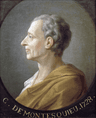
- Montesquieu
Montesquieu hükümetleri cumhuriyetler, monarşiler ve despotluklar olarak ayırır; her birinin kendine özgü bir ilkesi vardır. Bu ayrım, Aristoteles'in anayasaları sınıflandırma ve her birini ayakta tutan şeyi sorgulama alışkanlığını canlandırır.
- Martha Nussbaum
Nussbaum'un çalışması, bir insan hayatının iyi gitmesi için neye ihtiyacı olduğu sorusuna, yani Aristoteles'in sorusuna geri döner; ona göre böyle bir hayat, hiçbir teorinin görmezden gelmemesi gereken bir biçimde şansa açıktır.
- Paul Ricoeur
Zaman ve Anlatı, Poetika'dan yola çıkarak olayların bir olay örgüsü halinde düzenlenmesinin, yaşanmış zamanın insan tarafından kavranıp anlatılabilir hale gelmesini sağladığını öne sürer.
Aristoteles ile Felsefe Yapın
Bu düşünürün yer aldığı rehberli yollar, münazaralar ve zihin deneyleriyle fikirleri derinleştirin.
Hümanizm & Erdem Ahlakı
Aristoteles, bu geleneğin en büyük temsilcilerindendir. Zihninizin bu okula ne kadar yakın olduğunu test edin.
Ahlak Felsefesinin Temelleri: İyi Yaşam Nedir?
İnsanlığın en parlak zihinlerinin ödev, erdem, mutluluk ve adaleti nasıl tanımladığını anlamak için 2.500 yıllık ahlak felsefesi yolculuğuna çıkın.
Platon ve Aristoteles
İdealar Dünyası ve Gözleme Dayalı Gerçeklik: Hakikat ötelerde mi, yoksa yeryüzünde mi?
Theseus'un Gemisi
Bir nesnenin tüm parçaları zamanla teker teker değiştirilirse, o nesne hala aynı nesne midir; yoksa bambaşka bir şey mi olmuştur?