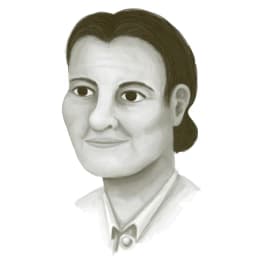
Elizabeth Anscombe
Modern ahlak felsefesindeki 'ahlaki yükümlülük' lafının neredeyse kimsenin inanmadığı bir ilahi yasa çerçevesinden kalma olduğunu söyledi ve bunun yerine Aristoteles'in karakter etiğine dönülmesini önerdi.
Anscombe, Cambridge'de Wittgenstein'ın öğrencisi oldu, en zor ve talepkâr geç döneminde onun en yakın öğrencilerinden biri haline geldi ve ölümünden sonra edebi vasiyetçilerinden biri olarak atanarak Felsefi Soruşturmalar'ın standart İngilizce çevirisini yaptı, metne yaşayan hiç kimsenin olmadığı kadar âşinaydı. En etkili makalesi 'Modern Ahlak Felsefesi'nde, ahlaki yükümlülük ve ahlaki ödev gibi kavramların ancak ilahi bir yasa koyucunun gerçekten yasalar çıkardığı bir çerçevede anlamlı olduğunu, modern seküler ahlak filozoflarının ise bu yasa ve yükümlülük sözcük dağarcığını, anlamlarını mümkün kılan teolojik yapıyı terk ettikten sonra da kullanmaya devam ettiklerini savundu. Ona göre bu, kafası karışık, temelsiz bir ahlakçılıktı. Önerdiği çare, tüm bu sözcük dağarcığını bir kenara bırakıp Aristoteles'in yaklaşımına dönmekti: somut ödevin neyi gerektirdiğini değil, erdemlere sahip, gerçekten iyi karakterli bir kişinin ne yapacağını sormak. Bu öneri, neredeyse iki bin yıllık bir görece uykudan sonra, yirminci yüzyıl ahlak felsefesinde erdem etiğini ciddi ve yaşayan bir seçenek olarak tek başına diriltmekle anılır. Aynı makale, geçerken, eylemleri salt sonuçlarına göre değerlendiren teoriler için eleştirel bir etiket olarak 'sonuççuluk' terimini icat etti; terim o kadar yerleşti ki kullananların çoğu onun bir şikayet olarak başladığını bilmiyor. Daha önceki kitabı Niyet, insan eylemi ve pratik akıl yürütmenin titiz felsefi analizini canlandırarak, bir kişinin kasıtlı olarak yaptığı bir şeyi, sadece başına gelen bir şeyden gerçekten neyin ayırdığını sordu. Dindar bir Roma Katoliği olarak müstakbel eşi filozof Peter Geach ile evlenip yedi çocuk büyüttü; 1956'da Oxford'un Harry Truman'a fahri derece verme kararını resmî ve geniş yankı uyandıran bir protestoyla karşıladı. Yazılı ve sözlü olarak, Hiroşima ve Nagasaki'ye atom bombası atılmasını emretmenin Truman'ı, başka ne yapmış olursa olsun, sivillerin toplu katliamından sorumlu bir adam haline getirdiğini savundu; bu görüşü, üzerine eğildiği her konuda olduğu gibi, aynı yılmaz, kıyas-kıyas katılığıyla tartıştı.

Yerler
Fikirler
Sözler
“Şu anda ahlak felsefesi yapmak bize yarar sağlamaz; onu, yeterli bir psikoloji felsefesine sahip olana kadar bir kenara bırakmalıyız.”
“Niyet kavramı ne bir öngörüdür ne de bir dilek; o, bir eylemin içeriden betimlenmesine aittir.”
Eserler
Hayat ve Anlar
Truman'a Fahri Diplomasına Karşı Protesto
Anscombe, Oxford'un Harry Truman'a fahri diploma verme kararını resmen protesto etti. Basında yayımladığı yazıda, atom bombalarının Hiroşima ve Nagazaki'ye atılmasını emreden Truman'ın sivillerin kitlesel ölümlerinden sorumlu olduğunu savundu.
Modern Ahlak Felsefesi'ni Yayımlar
Anscombe, ahlaki yükümlülük gibi kavramların ancak modern filozofların terk ettiği bir ilahi yasa çerçevesinde anlamlı olduğunu savundu ve Aristotelesçi erdem ahlakına dönüş çağrısı yaptı. Bu makale, iki bin yıllık uykudan sonra alanı canlandırmakla anılır.
Etki
Etkilendiği düşünürler
- Ludwig Wittgenstein
Anscombe, Wittgenstein'ın en zorlu son döneminde Cambridge'de onun öğrencisi oldu, ölümünden sonra edebî mirasçılarından biri oldu ve Felsefi Soruşturmalar'ın standart İngilizce çevirisine imza attı.
- Aristotle
Anscombe'un 'Modern Ahlak Felsefesi' başlıklı yazısı, modern ahlaki yükümlülük söylemini bir kenara bırakıp iyi karakterli bir insanın gerçekte ne yapacağına dair Aristoteles'in sorusuna dönülmesi çağrısında bulundu ve yirminci yüzyılda erdem etiğinin yeniden canlanmasını başlattı.
Etkilediği düşünürler
- Alasdair MacIntyre
MacIntyre, After Virtue'de Anscombe'un 1958 tarihli makalesini açık bir çıkış noktası olarak alır ve onun modern ahlak felsefesinin kelime dağarcığının tutarsız hale geldiği teşhisini, Aristotelesçi pratik ve gelenekleri yeniden canlandırmaya yönelik daha kapsamlı bir argümana dönüştürür.


