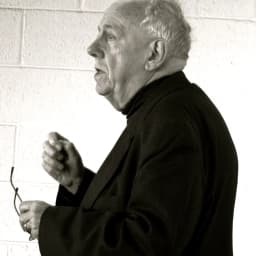
Alasdair MacIntyre
Modern ahlaki tartışmaların hiçbir zaman çözülmediğini, çünkü erdem kelime dağarcığını miras aldığımızı ama ona anlam veren ortak yaşam biçimini kaybettiğimizi savundu.
MacIntyre, hayatının işini ve akademik etiğin büyük kısmını yeniden yönlendiren kitabı yazmadan önce erken kariyerini Marksizm, analitik felsefe ve din sosyolojisi arasında huzursuzca dolaşarak geçirdi. Erdem Peşinde, kürtaj, adalet, savaş gibi konulardaki modern ahlaki anlaşmazlıkların döngüye girmesinin nedeninin, her iki tarafın da (Aristotelesçi, Hristiyan, Kantçı, faydacı) bir zamanlar onları tutarlı kılan sosyal pratiklerden ve ortak iyi yaşam anlayışlarından koparılmış eski ahlaki dillerin parçalarını kullanması olduğunu savunur. Ona göre geriye kalan, rasyonel argüman gibi giydirilmiş ama çoğunlukla tercih beyanları işlevi gören ahlaki iddiaların duygusal kabuklarından ibarettir. Önerdiği çare geriye bakıyordu: Aristoteles'in erdemlerin, mükemmellik standartlarını nesiller boyunca aktaran gelenekler içinde sürdürülen sanatlar, bilimler, zanaatlar, topluluk yaşamı biçimleri gibi pratiklere katılımla inşa edilen ve sürdürülen alışkanlıklar olduğu fikrini geri kazanmak. Bu, onu modern erdem etiği canlanmasının mimarlarından biri yaptı; ahlak felsefesini kurallar ve sonuçlar üzerindeki uzun odağından uzaklaştırıp karaktere ve bir insanın zamanla inşa ettiği yaşam türüne geri döndüren bir hareket. Ellili yaşlarında Katolikliğe geçti; bu, teşhis ettiği kaybın soyut değil, paylaşılan bir pratik geleneğinin tamamının kaybolması olduğuna dair tarihsel savını yumuşatmak yerine keskinleştirdi.

Yerler
Fikirler
Sözler
“'Ne yapmalıyım?' sorusuna ancak şu önceki soruyu yanıtlayabilirsem cevap verebilirim: 'Kendimi hangi hikaye veya hikayelerin parçası olarak buluyorum?'”
“Erdem, edinilmiş bir insan niteliğidir; ona sahip olmak ve onu uygulamak, pratiklerin içsel kazanımlarına ulaşmamızı sağlar.”
Eserler
Hayat ve Anlar
Erdem Peşinde’yi Yayımlar
MacIntyre, modern ahlaki anlaşmazlıkların sonsuz bir döngüye girmesinin nedeninin, her iki tarafın da eski etik geleneklerin parçalarını, bir zamanlar onları anlamlı kılan ortak pratiklerden kopararak kullanması olduğunu savundu ve gelenek temelli bir Aristotelesçi erdem etiğinin canlandırılmasını önerdi.
Katolikliğe Geçiş
Elli yaşlarında, Marksizm, analitik felsefe ve din sosyolojisi arasında geçen on yılların ardından MacIntyre, Katolikliğe geçti. Bu, tutarlı bir ahlak geleneğinin yitimine dair tarihsel savını keskinleştirdi, yumuşatmadı.
Etki
Etkilendiği düşünürler
- Aristotle
MacIntyre'ın Erdem Peşinde'si, erdemlerin paylaşılan pratikler ve gelenekler içindeki katılımla inşa edilen alışkanlıklar olduğu Aristoteles fikrini geri kazanmayı savundu; onu yirminci yüzyılın Aristotelesçi etik canlanmasının merkezi mimarlarından biri yaptı.
- Elizabeth Anscombe
MacIntyre, After Virtue'de Anscombe'un 1958 tarihli makalesini açık bir çıkış noktası olarak alır ve onun modern ahlak felsefesinin kelime dağarcığının tutarsız hale geldiği teşhisini, Aristotelesçi pratik ve gelenekleri yeniden canlandırmaya yönelik daha kapsamlı bir argümana dönüştürür.

