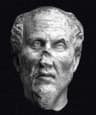
Kindî
Arapların Filozofu. Yunan düşüncesi ile İslam dünyası arasındaki kapıyı açan ve ilk o geçen kişidir.
El-Kindi, erken Abbasi halifeliği döneminde Kufe'de doğdu ve Bağdat'ta eğitim gördü. Bilgelik Evi'nde çalışarak Yunanca metinlerin Arapçaya çevrilmesini denetledi. Felsefe, matematik, tıp, müzik ve optik üzerine 250'den fazla eser yazdı. Felsefe ile vahyin hakikate ulaşmanın uyumlu yolları olduğunu ve kadim düşünürleri incelemenin dinsizlik değil, bir görev olduğunu savundu.


Yerler
Fikirler
Sözler
“Gerçeğin peşinde olan kişi, eskilerin yazılarını inceleyen değil, onlardaki gerçeği sezerek aklın yolunu izleyendir.”
“Doğruyu takdir etmekten ve nereden gelirse gelsin onu edinmekten utanmamalıyız.”
Eserler
Hayat ve Anlar
Kufe'de doğdu
Abbasi halifeliğinin yükselişinde, Yunan metinlerinin Arapçaya taşınacağı şehirde doğdu.
Hikmet Evi
Bağdat'taki Hikmet Evi'nde Yunan felsefesinin çevirisini denetledi ve Arapların filozofu oldu.
İlk Felsefe Üzerine
Felsefe ile vahyin aynı hakikate giden yollar olduğunu savundu; antikleri okumak ibadet sayıldı.
Düşüş
Saraydaki düşmanları onu görevden aldı; çoğu eseri kayboldu ama kapı açık kaldı.
Etki
Etkilendiği düşünürler
- Aristotle
Kindî, Aristoteles'in eserlerinin Arapçaya çevrilmesini denetledi ve onun metafiziğini temel aldı.
- Plotinus
Kindî’nin çevresince Aristoteles’in Teolojisi olarak hazırlanan kitap aslında Plotinos’un bir özeti parafraziydi; bu da Arap felsefesinin en başından itibaren Yeni Platoncu bir Aristoteles alsı almamasına ve hatanın ancak yüzyıllar sonra fark edilmesine yol açtı.
Etkilediği düşünürler
- Al-Farabi
El Kindi, Yunan felsefesinin Arapça yazılabileceğini ve Müslümanlarca izlenebileceğini savundu. Farabi bunu verili kabul edip El Kindi'nin yalnızca taslağını çizdiği sistemi kurmaya koyuldu.
- Roger Bacon
Bacon, el Kindi'nin bir cismin her noktasından gücün düz çizgiler halinde nasıl yayıldığına dair anlatımından yararlandı ve bunu İbn Heysem'in optik çalışmalarıyla birleştirerek kendi türlerin çoğalması teorisini oluşturdu.