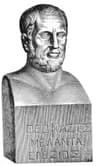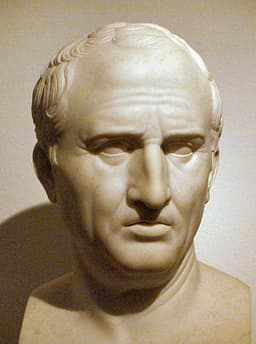
Cicero
Yunan felsefesini Latinceye ve siyasete tercüme etti. Roma'nın en büyük hatibi, aynı zamanda en huzursuz düşünürüydü.
Cicero, Atina ve Rodos'ta eğitim gördü; Stoacı, Akademik, Epikürcü, her Yunan okulunu özümsedi ve onları Roma'ya taşıdı. Cumhuriyetin en yüksek makamlarında bulundu, komplolardan sağ kurtuldu ve Caesar'ı izleyen iç savaşlarda öldürüldü. Siyasi krizler arasında müthiş bir hızla yazdı: görev, dostluk, yaşlılık, tanrıların doğası ve yaşamın uygun amaçları üzerine diyaloglar. Hiçbir zaman bir okul kurmadı veya özgünlük iddiasında bulunmadı. Yaptığı şey, felsefeyi Latince'de konuşulabilir kılmak ve Latince aracılığıyla, onu izleyen her Avrupa dilinde de konuşulabilir hale getirmekti.

Kütüphanede Oku
Yerler
Fikirler
Sözler
“Ölülerin hayatı, yaşayanların hafızasına yerleşir.”
“Kitapsız bir oda, ruhsuz bir beden gibidir.”
Eserler
Tusculum Tartışmaları
Beş kitaptan oluşan felsefi diyaloglar, Cicero'nun Tusculum'daki villasında geçer. Ölüm korkusunu, acıya dayanmayı, yası, tutkuları ve erdemin mutluluk için tek başına yeterli olup olmadığını ele alır.
Görevler Üzerine
Oğlu Marcus'a hitaben yazılmış ahlaki yükümlülük üzerine bir inceleme. Orta Çağ'da en çok kopyalanan felsefi metin. Şu soruyu sorar: Görev ile çıkar çatıştığında hangisi kazanmalı?
Hayat ve Anlar
Arpinum'da doğdu
Roma'nın güneydoğusundaki Arpinum'da eques ailesine doğdu. Cognomeni 'nohut' demekti; arkadaşlarının uyarısına rağmen değiştirmedi.
Atina ve Rodos'ta eğitim
Felsefe ve hitabet için Yunanistan'a gitti. Atina'da Akademi derslerine katıldı; Rodos'ta Molon'dan retorik öğrendi. Bu yolculuk entelektüel yaşamını şekillendirdi.
Roma konsülü
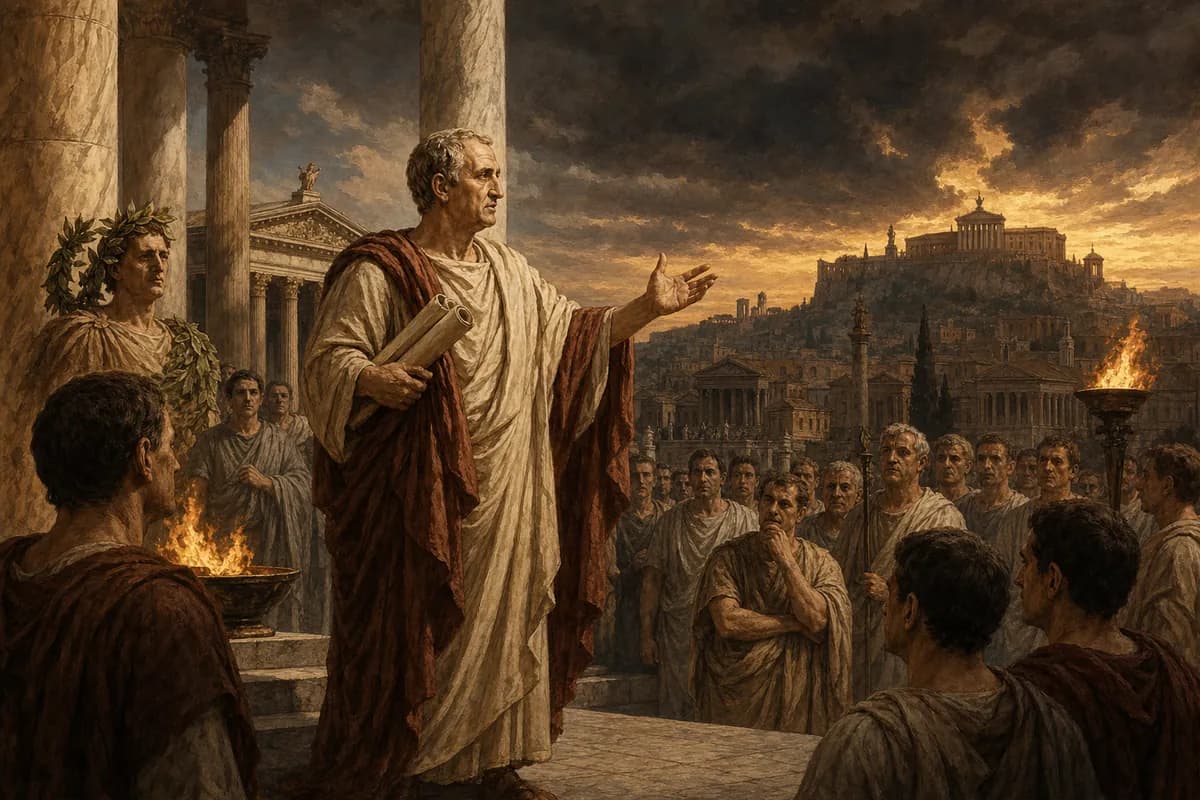
Soylu olmayan bir 'yeni adam' olarak en yüksek göreve seçildi. Devleti devirmeyi amaçlayan Katilina komplosunu ortaya çıkarıp ezdi. Düşmanları bunu on yıllarca kullandı.
Emeklilikte felsefi eserler
Sezar'ın diktatörlüğüyle siyasetten uzaklaşınca yazmaya döndü. İki yılda Tanrıların Doğası, Görevler Üzerine ve daha fazlasını yazdı; Yunan felsefesini Latinceye ve sağduyuya çevirdi.
Antonius'un askerleri tarafından öldürüldü
Sezar'ın suikastından sonra Antonius'a karşı konuşmalar yaptı. Proskripsiyon listesine alındı; Formia yakınlarında yakalandı. Boynunu kılıca uzattı; elleri ve başı Forum'daki kürsüye çivilendi.
Etki
Etkilendiği düşünürler
- Plato
Cicero, Atina'daki Akademi'de okudu ve kendini Akademik kuşkucu olarak gördü. Diyalogları biçimini Platon'a borçludur.
- Aristotle
Cicero, Aristoteles'in üslubuna hayran kaldı ve kariyeri boyunca onun retorik ve etik yazılarından yararlandı.
- Theophrastus
Cicero, Theophrastus'u dikkatle okudu ve onu, bir Romalının edebiyat olarak hayranlık duyabileceği felsefe yazdığı için defalarca övdü; hem etik sorularını hem de onları ele alış tarzını ödünç aldı.