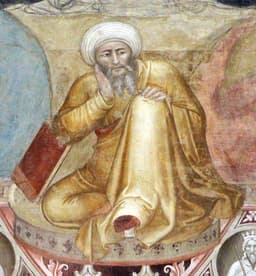
İbn Rüşd
Aristoteles üzerine büyük yorumcu. Felsefe ve dinin aynı hakikate giden iki yol olduğunu savundu.
İbn Rüşd, Kurtuba'da bir kadılar ailesinde doğdu. Neredeyse her Aristotelesçi eser üzerine üç seviyede yorum yazdı. Tutarsızlığın Tutarsızlığı adlı eseri, felsefeyi El-Gazali'ye karşı savundu. Akıl ve imanın uyumluluğunu savundu. Eserleri, diğer tüm İslam düşünürlerinden daha fazla, Latin Skolastisizmini şekillendirdi.

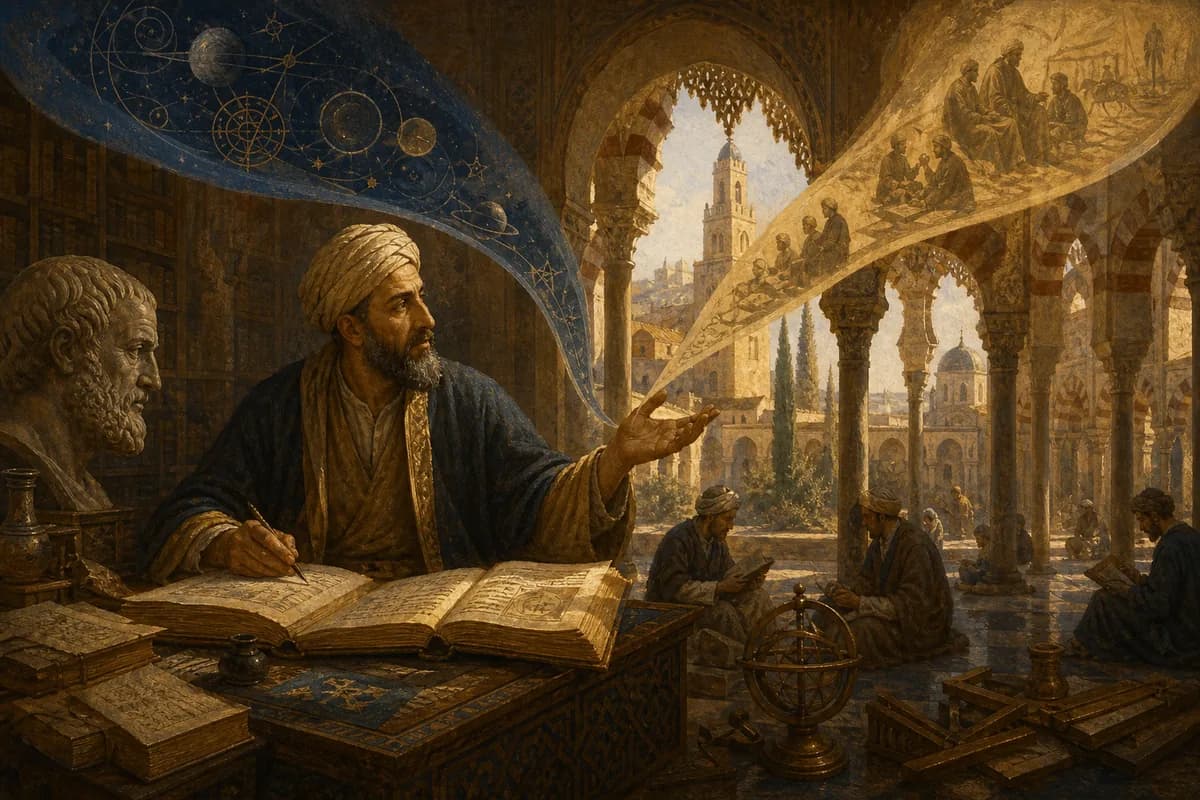
Yerler
Fikirler
Sözler
“Cehalet korkuya, korku nefrete, nefret de şiddete yol açar.”
Eserler
Hayat ve Anlar
Kurtuba'da doğdu
Hakim ailesinden doğdu; Aristoteles'in en büyük yorumcusu olacaktı.
Aristoteles görevi
Halife ondan Aristoteles'in her eserine üç düzeyde yorum istedi.
Tutarsızlığın Tutarsızlığı
Gazali'ye cevap verdi: felsefe ve din aynı hakikate gider, biri diğerini susturmamalı.
Sürgün
Görüşleri yüzünden sürgüne gönderildi; sonra affedildi ama tartışma sürdü.
Kurtuba'da ölüm
Kurtuba'da öldü; Ortaçağ Avrupa'sında Yorumcu olarak anıldı.
Etki
Etkilendiği düşünürler
- Aristotle
İbn Rüşd, Aristoteles'in neredeyse her yapıtına üç ayrı düzeyde şerh yazdı.
- Al-Ghazali
İbn Rüşd, Tutarsızlığın Tutarsızlığı'nı Gazzâlî'ye doğrudan yanıt olarak yazdı.
- Ibn Tufayl
İbn Tufeyl, İbn Rüşd'ü Aristo şerhlerini ısmarlayan Muvahhid halifesiyle tanıştırdı.
- Ibn Bajja
İbn Rüşd, İbn Bacce’nin insan aklının faal akılla nasıl bağlantı kurduğuna dair çalışmalarını biliyor ve kendi şerhlerinde buna karşı çıkıyordu. Bu tartışma tamamen Endülüs sınırları içinde sürdürüldü.
Etkilediği düşünürler
- Thomas Aquinas
Aquinas, İbn Rüşd'e 'Yorumcu' adını verdi ve Summa boyunca onun Aristoteles üzerine yazdığı şerhlerle derinlemesine ilgilendi.
- Ibn Arabi
Genç İbn Arabi, yaşlı İbn Rüşd ile Kurtuba'da buluştu; bu karşılaşma, İslam düşüncesindeki akılcı ve mistik yolların bir buluşmasıydı.


