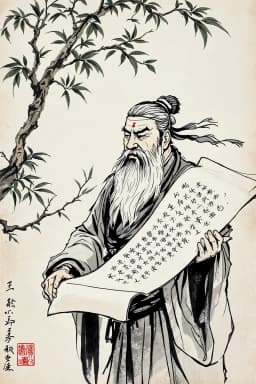
Sun Tzu
Savaşın en yüce sanatı, düşmanı savaşmadan yenmektir. Strateji bir tür bilgelik olarak.
Bir adam mı yoksa bir gelenek mi olduğu bilinmez; Sun Tzu on üç özlü bölüm bıraktı. Kazanmak için önce savaş alanına gelin, yoksa savaşmayın. En iyi zafer hiçbir kılıcın çekilmediği zaferdir. Aldatma, uyum ve rakibin zihnini şekillendirme üzerindeki ısrar, tanımladığı her savaş alanının ömrünü geçip siyasete, ekonomiye ve günlük hayata göç etti.

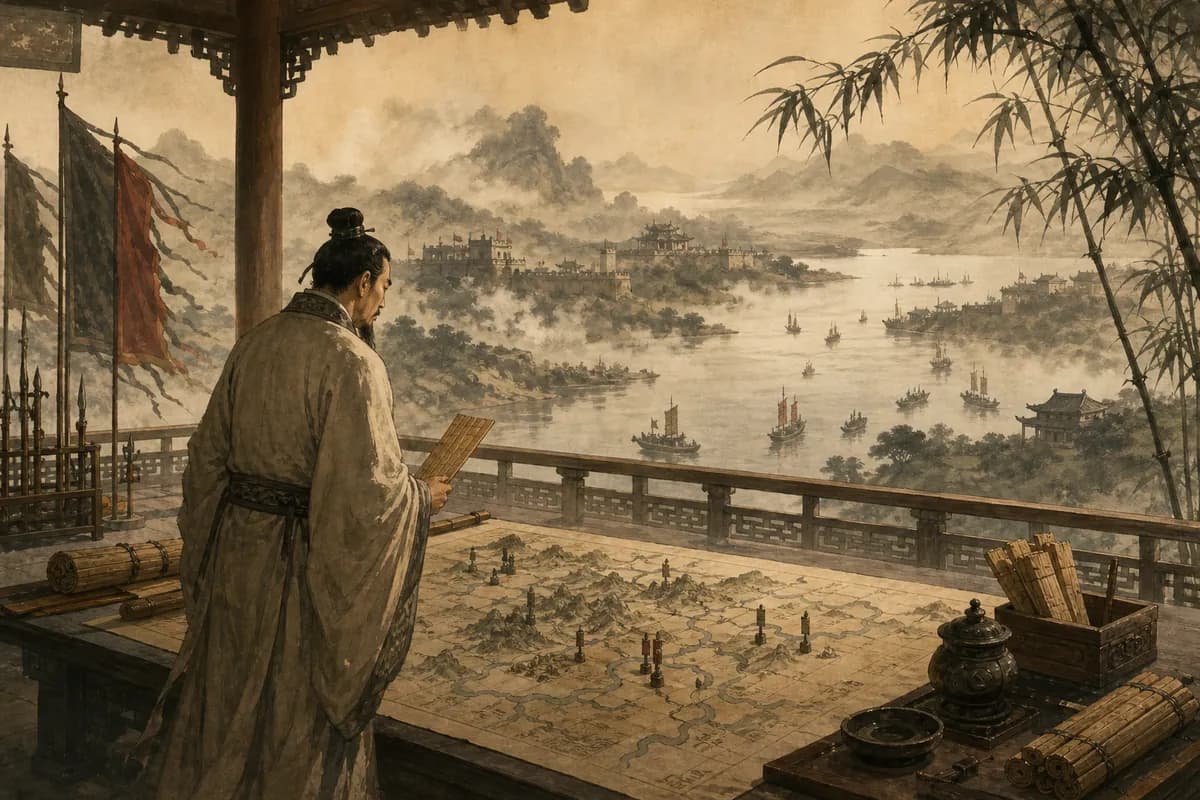
Yerler
Fikirler
Sözler
“Savaşın en yüce sanatı, düşmanı savaşmadan alt etmektir.”
Eserler
Hayat ve Anlar
Savaşan Devletler çağında doğdu
Gelenek onu sürekli savaş çağında doğmuş ve Wu'da general olmuş sayar.
Savaş Sanatı
On üç kısa bölüm: zafer konum, zamanlama ve ön bilgi meselesi; kaba kuvvet değil.
Wu kralına danışmanlık
Wu sarayında strateji denedi. Efsanede kralın cariyelerini asker diye eğitti.
Savaş alanı ötesinde strateji
Savaş Sanatı tarif ettiği her savaşı aştı; koşulları ve rakibin zihnini okuma kitabı oldu.
Etki
Etkilendiği düşünürler
- Laozi
Savaş Sanatı, boyun eğme, biçimsizlik ve zorlamadan eyleme geçme gibi Taocu sözcük dağarcığını paylaşır; ancak Sun Tzu'nun Daodejing'den mi yararlandığı yoksa her ikisinin de ortak bir dil stokundan mı beslendiği tartışmalıdır.
Etkilediği düşünürler
- Han Feizi
Han Feizi'nin Legalizmi, askeri stratejinin hesapçı gerçekçiliğini alarak yönetime uyguladı; bir hükümdarın kendi bakanlarına karşı tutumunu, Sun Tzu'nun düşmana sakladığı ihtiyatla ele aldı.

