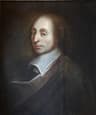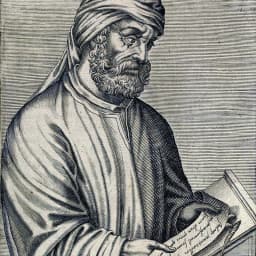
Tertullian
Bir avukattı, sonra Hristiyanlığın ilk büyük Latin yazarı oldu; bir konsilin bir Tanrı'nın nasıl üç olabileceğini açıklarken ihtiyaç duyacağı kelimeleri, Teslis de dahil, o icat etti.
Tertullianus, Hristiyanlığa yetişkin yaşta geçmeden önce Kartaca'da avukatlık eğitimi almıştı ve yazıları da öyleydi: hukuki, kavgacı, hiçbir yumuşatmaya tahammülü yok. Latin Hristiyanlığına kelime dağarcığının çoğunu verdi (trinitas, persona, substantia) bunlar bir Tanrı'nın nasıl üç olabileceğini açıklamaya çalışırken sonraki bir konsilin ihtiyaç duyacağı sözcüklerdi. Apolojisi, Hristiyanları yalnızca inançları yüzünden, hiçbir suç kanıtı olmadan cezalandırmanın hukuki bir saçmalık olduğunu ve şehitlerin kanının tohum olduğunu savundu: her idam, susturduğundan daha fazla mühtedi yaratıyordu. Yunan felsefesine inancı bozan bir etki olarak karşı çıktı, Atina'nın Kudüs'le ne ilgisi olduğunu sordu ve bunu gerçek bir ya/ya da olarak kastetti. Orta yaşlarında, dünyanın yakında biteceğini bekleyen ve imparatorlukla rahatlamaya başlayan bir kiliseye tahammülü olmayan sert bir mezhep olan Yeni Kehanet hareketine katıldı. Bir zamanlar savunduğu ana akım kilise sonunda onu sapkın olarak gördü. Hiç geri adım atmadı. Hayatta kalan onun itibarı değil, cümleleriydi: sert, alıntılanabilir, düşman bir mahkemeyi ikna etmek için inşa edilmiş.

Yerler
Fikirler
Sözler
“Şehitlerin kanı tohumdur.”
“Atina'nın Kudüs'le ne işi var?”
Eserler
Hayat ve Anlar
Savunma Yazısını Kaleme Alır
Tertullianus, bir savunma metnini Roma eyalet valilerine yöneltti ve Hıristiyanları sırf adlarından ötürü, herhangi bir suç kanıtı olmadan cezalandırmanın hukuki bir saçmalık olduğunu ileri sürdü. 'Şehitlerin kanı tohumdur' cümlesi, erken Hıristiyan edebiyatında en çok alıntılanan ifade haline geldi.
Yeni Kehanet hareketine katılır
Orta yaşlarında Tertullianus, dünyanın yakında sona ereceğini bekleyen ve Roma İmparatorluğu'yla uzlaşan bir kiliseye tahammülü olmayan katı bir Hıristiyan tarikata katıldı. Bir zamanlar savunduğu ana akım kilise, onu sonunda bu yüzden sapkın ilan etti.
Etki
Etkilendiği düşünürler
- Zeno of Citium
Tertullianus, Ruh Üzerine adlı eserinde, yalnızca bedenlerin eyleyip eyleme maruz kaldığını, bu yüzden ruhun da bir tür beden olması gerektiğini savundu; böylece Stoacı fizik öğretisini Hristiyan teolojisine taşırken aynı anda felsefeyi de yerden yere vurdu.
Etkilediği düşünürler
- Augustine
Augustinus, ruh ve Teslis için kullandığı çalışma kelime dağarcığının çoğunu, persona, substantia ve Tanrı hakkında Yunanca yerine Latince tartışma alışkanlığının kendisini, Latinceyi ilk ciddi ilahiyat işine zorlayan yazar Tertullianus'tan miras aldı.
- Pascal
Pascal'ın kalbin aklın bilmediği kendine has nedenleri olduğu ısrarı, Tertullianus'un Atina'nın Kudüs'le ne ilgisi var diye sorduğunda açtığı yolu sürdürür; ancak Pascal, filozofların gerçekte ne savunduğunu Tertullianus'tan çok daha iyi bilirdi.