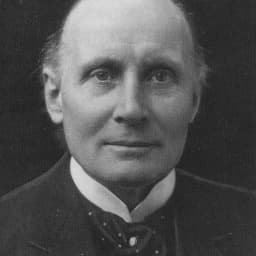
A.N. Whitehead
Bir kariyerini tüm matematiği saf mantıktan türetmeye adadı, ikincisinde ise gerçekliğin kendisinin sabit, durağan şeylerden değil, olaylardan ve ilişkilerden oluştuğunda ısrar etti.
Whitehead, Cambridge'de yirmi beş yıl boyunca sessiz sedasız matematik dersleri verdi, ta ki parlak bir öğrenci olan Bertrand Russell onu ikisinin de giriştiği en iddialı projeye çekene kadar: Principia Mathematica, tüm matematiğin küçük bir dizi mantıksal aksiyomdan türetilebileceğini göstermeye çalışan üç ciltlik bir eser. On yıldan uzun sürdü, bir artı birin iki ettiğini kanıtlamak için altı yüz sayfa gerektirdi ve Gödel'in daha sonra daha büyük hedefin prensipte ulaşılamaz olduğunu göstermesine rağmen, yirminci yüzyılın süreğen entelektüel çalışma başarılarından biri olarak kaldı. Altmışlı yaşlarında, Birinci Dünya Savaşı'nın ardından İngiltere'den koparılmış ve Londra'da bir fakülte anlaşmazlığı yaşamış olan Whitehead, Harvard'da bir pozisyon kabul etti ve dikkat çekici bir şekilde, tamamen yeni bir kariyere, bir metafizikçi olarak başladı. Süreç ve Gerçeklik, evrenin sadece orada duran ve özelliklere sahip olan statik tözlerden değil, var olan, etraflarındaki her şeyle ilişki kuran ve geçmişe geçen, sonra da onu izleyen her şeyin kalıcı bir bileşeni haline gelen 'fiili oluşlar'dan, olaylardan inşa edildiğini savundu. Bu görüşe göre, bir kaya ya da bir kişi zaman içinde kalıcı olan sabit bir şey değil, geçici ve dikkat çekici bir istikrar elde eden birbiriyle ilişkili olaylar topluluğudur ve hatta Tanrı bile, onun anlatımında, sürecin dışında kalmaz, dünyanın yanında gelişir, onun dışında değişmeden durmaz. Öğrencileri arasında, felsefeyi temelde şiir gibi ele almasıyla ünlüydü, söylenemeyeni söyleme ve başka türlü kopuk parçalar gibi görünebilecek bir evrende bir bağlantılılık duygusu kurtarma girişimi. Tüm Avrupa felsefi geleneğine dair kendi özeti, 'Platon'a bir dizi dipnot' olduğu, yazdığı neredeyse her şeyden daha uzun yaşadı, muhtemelen takdir edeceği bir ironi.

Yerler
Fikirler
Sözler
“Avrupa felsefe geleneğinin en güvenli genel tanımı, Platon'a düşülmüş bir dizi dipnottan oluşmasıdır.”
“Geleceğin işi tehlikeli olmaktır.”
Eserler
Hayat ve Anlar
Russell ile Principia Mathematica'yı Tamamlar
On yılı aşkın bir iş birliğinin ardından Whitehead ve Russell, tüm matematiği küçük bir mantıksal aksiyom kümesinden türetme girişimlerini üç cilt olarak tamamladılar, bir artı birin iki ettiğini kanıtlamak için tam altı yüz sayfa gerekti.
Harvard'da İkinci Bir Kariyere Başlar
Whitehead, altmış üç yaşında, İngiltere'den kopup Harvard'da bir iş kabul etti ve geri kalan ömrünü dolduracak süreç felsefesini geliştirirken metafizikçi olarak yepyeni bir kariyere başladı.
Etki
Etkilendiği düşünürler
- Plato
Whitehead'in Batı felsefesini 'Platon'a düşülmüş bir dizi dipnot' diye tanımlaması, onun süreç metafiziğinin Platon'un formlar ve kozmolojisine ne kadar doğrudan bir angajmanla yaklaştığını, bu düşünceleri reddetmekten çok yeniden işlediğini gösterir.
- Bertrand Russell
Russell ile Whitehead on yılı aşkın bir süre boyunca Principia Mathematica’yı birlikte yazdı; tüm matematiği mantıktan türetmeyi denediler. Bu ortaklık, Whitehead’ın matematikten metafiziğe yöneldikten sonra bile titiz yaklaşımını şekillendirdi.

