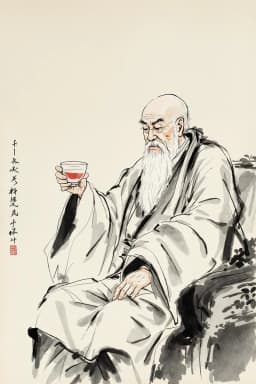
Yang Zhu
Benliğin filozofu; dünyayı kurtarmak için tek bir kıl vermezdi ve bir hayatın yaşamaktan başka neye harcanabileceğini sordu.
Yang Zhu çoğunlukla düşmanlarının saldırılarında hayatta kalır. Konfüçyüsçü fedakârlık çağrısına ve Moist eşit sevgi çağrısına karşı, kişinin kendi hayatının ve doğasının indirgenemez değerinde ısrar etti. Bedenini bütün tut, yıllarını şöhret ya da kâr için takas etme, bırak dünya kendini yönetsin. Mencius onu, imparatorluğa yarar sağlamak için tek bir kıl koparmayacak kadar bencil olmakla suçladı. Ama kışkırtmanın altında ciddi bir soru yatıyordu: bir hayat ne içindir?

Yerler
Fikirler
Sözler
“Bütün dünyaya faydam dokunsa bile, vücudumdan bir tek kıl bile vermem.”
Eserler
Hayat ve Anlar
Merkez devletlerde doğdu
Kişinin kendi yaşam değerini toplumun taleplerine karşı koyan bir öğretmen.
Doğanı korumak
Bedeni ve yılları korumayı, şöhret ve devlet uğruna kendini feda etmeyi reddetmeyi savundu.
Her biri kendi için
İmparatorluk için tek bir saç teli bile vermemeyi öğretti; Konfüçyüsçüleri ve Mohistleri şaşırttı.
Mencius'un saldırısı
Mencius onu aşırı bencillikle suçladı; tartışma Konfüçyüsçülere yaşamın ne için olduğunu sordurdu.
Etki
Etkilediği düşünürler
- Mencius
Mengzi, Yang Zhu'nun bencilliğine saldırdı; çünkü bu öğreti benimsenirse toplumun bağları çözülürdü.
- Liezi
Yang Zhu'nun kendi adına hiçbir eseri günümüze ulaşmamıştır. Ondan kalan tek şey Liezi'nin içindeki bir bölümdür. Bu yüzden ünü tamamen o sonraki kitabın onu nasıl sunduğuna bağlıdır.
- Zhuangzi
Yang Zhu'nun imparatorluk karşılığında kendinden bir parça dahi vermeyi reddetmesi, Zhuangzi'de de akan aynı içgüdüye aittir; ancak Zhuangzi bunu bir kendini koruma öğretisinden çıkarıp daha çok bir oyuna dönüştürür.


