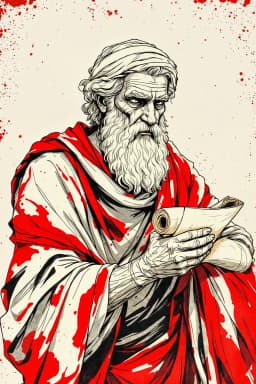
Elealı Zenon
Aşil kaplumbağaya asla yetişemez. Hareket olanaksızdır. Paradoksu felsefi bir silah olarak o icat etti.
Zenon, Parmenides'in öğrencisi ve savunucusuydu. Eleştirmenler değişimin olanaksız olduğu fikriyle alay edince, Zenon onlara kuramlarla değil bilmecelerle yanıt verdi. Aşil bir kaplumbağaya önden başlama hakkı tanırsa ona asla yetişemez; çünkü önce kaplumbağanın bulunduğu yere varması gerekir, o vardığında kaplumbağa çoktan ilerlemiştir. Uçan bir ok her an durağandır, demek ki hiç hareket etmez. Bu paradokslar birer bilmece değildi. Eleştirmenlerin uzay, zaman ve hareket üzerine kendi varsayımlarının saçmalığa götürdüğünü göstermek için tasarlanmış argümanlardı.

Geriye kalanlar
Kitabı kayıp. Geriye 3 satır kaldı; her biri sonraki bir yazar onu alıntıladığı için.
Yerler
Fikirler
Sözler
“Var olan her şeyin bir yeri varsa, yerin de bir yeri olacaktır, ve bu sonsuza dek böyle sürer.”
“Ok hedefine varmadan önce, önce yarı yola ulaşmalıdır. Ama ondan önce de çeyreğe. İlk adım yoktur — bu yüzden hareket başlayamaz.”
“Şeyler çoksa, hem sonsuz küçük hem de sonsuz büyük olmalılar — sonsuz küçük çünkü parçaların hiç boyutu yoktur, sonsuz büyük çünkü her zaman dışarıda başka bir parça daha vardır.”
Eserler
Hayat ve Anlar
Elea'da Doğum
Zeno, MÖ 495 civarında, Güney İtalya'nın Tiren kıyısındaki bir Yunan kolonisi olan Elea'da doğdu. Şehir, Phokaia'dan sürgünler tarafından kurulmuştu ve sürgünlerin baskı altında direnme inadını taşıyordu. Elea aynı zamanda Zeno'nun öğretmeni ve tüm entelektüel yaşamının sabit noktası olacak Parmenides'in de memleketiydi. Antik kaynaklara göre Zeno, Parmenides'in sahip olduğu en sadık öğrenciydi.
Parmenides'in öğrencisi
Zenon, Parmenides'in öğrencisi oldu ve hayatı boyunca onu savundu. Parmenides, gerçekliğin tek, değişmez ve bölünmez olduğunu; hareket, çokluk ve değişimin ise yanıltıcı duyulardan kaynaklanan yanılsamalar olduğunu savundu. Bu görüş alay konusu oluyordu. Zenon ise doğrudan onu savunmak yerine, sağduyuya dayanan alternatiflerin daha kötü olduğunu gösterdi: eğer çokluk ve hareketi gerçek kabul ederseniz, hemen içinden çıkılmaz çelişkilere düşersiniz. Karşıtlarının araçlarını onlara karşı kullandı.
Paradokslar
Silsileyken hareketin ve çokluğun mantıksal olarak imkânsız olduğunu gösteren bir dizi argüman icat etti ve böylece öğretmeni Parmenides'i eleştirenlere karşı savundu.
Hareketin Paradokslarını Yaratır
MÖ 460 civarında Zenon, hareket ve çokluğun mantıksal olarak tutarsız olduğunu göstermek için kırk veya daha fazla argüman içeren bir kitap yazdı. En ünlüsü: Aşil bir kaplumbağayla yarışır. Kaplumbağaya avans verilir. Aşil kaplumbağaya ulaşmadan önce kaplumbağanın başladığı noktaya varmalıdır. Bu arada kaplumbağa ilerlemiştir. Yeni noktaya da ulaşmalıdır. Bu böyle sonsuza dek sürer. Aşil kaplumbağayı asla yakalayamaz. Uçan ok, her anda durağandır. Tüm durağan anlar toplanırsa -argümanına göre- hareket olmaz. Matematikçiler, fizikçiler ve filozoflar hâlâ bu argümanlar üzerine düşünmektedir.
Atina'ya gider ve genç Sokrates'le tanışır
MÖ 450 civarında, Zenon Parmenides'le birlikte Atina'ya gitti. Platon'un Parmenides diyaloğunda anlattığına göre, oldukça genç olan Sokrates ikisiyle de tartışmaya girdi. Zenon'un kitabından okuma yapacağını duyan kalabalık hayrete düştü. Onun paradoksları bilmece ya da kelime oyunu değil, kesin mantık tuzaklarıydı ve odadaki hiç kimse onları çözemiyordu. Sokrates onu sıkıştırdı, Zenon her itirazı daha önce duymuş birinin sabrıyla cevap verdi. Platon'a göre, Atina'nın şimdiye kadar gördüğü en zihinsel açıdan yüklü öğleden sonraydı.
Bir tiranı devirme komplosunda şehit edilen filozof
MÖ 430 civarında, Elea'da bir tirana karşı komplo kurduğu iddiasıyla tutuklanan Zenon'un hikâyesi, kaynaktan kaynağa değişir. İşkence altında arkadaşlarının ismini vermeyi reddetti. Bir rivayete göre, konuşmamak için kendi dilini ısırıp kopardı ve tiranın yüzüne tükürdü. Başka bir anlatıda ise işkencenin boşunalığını göstermek için tiranın kendi dostlarını suçladı. Sonunda öldürüldü. Ayrıntıların efsanevi olduğu neredeyse kesin olsa da, hiçbir şeyin hareket etmediğini savunan bir adamın siyasi bir dava uğruna şiddetli bir ölüme gitmesi, hikâyeyi canlı tutan karanlık bir ironidir.
Etki
Etkilendiği düşünürler
- Parmenides
Zenon, paradokslarını Parmenides'i savunmak için yazdı: eğer hareket ve çokluk saçmalığa götürüyorsa, tek ve değişmeyen bir varlık daha az tuhaf bir sonuçtur.
Etkilediği düşünürler
- Aristotle
Aristoteles, Zenon'un paradokslarını, onları Fizik adlı eserinde uzun uzadıya yanıtlayacak kadar ciddiye aldı. Onun fiili ve potansiyel sonsuzluk ayrımı da bu çaba sonucu şekillendi.
- Henri Bergson
Bergson, Zenon'un okuna geri dönerek paradoksların ancak hareketin yaşandığı hali yerine bir dizi durağan konum koyduğumuzda ortaya çıktığını savundu, süre fikrini kısmen bunlara bir yanıt olarak geliştirdi.


