Fragmanlar
Ksenophanes adlı düşünürden geriye kalanlar
Ksenophanes adlı düşünürün yazdıklarından hiçbiri bütün olarak kalmadı. Bu 6 satır bize yalnızca sonraki yazarlar onları kendi eserlerine aktardığı için ulaştı; çoğu zaman da bambaşka bir tartışmanın ortasında.
Antik Papirüslerin Kırılganlığı
İlkçağ Yunan düşünürlerinin yazdığı hiçbir kitap günümüze bütün halinde ulaşamadı. Parşömenleri ve şiirleri kütüphane yangınlarında, siyasi çalkantılarda ve yüzyılların yıpratıcı akışında yok oldu. Bugün bildiğimiz sayılı cümleler, yüzyıllar sonra yaşamış Aristoteles, Simplicius, Diogenes Laërtius ve Sextus Empiricus gibi yazarların kendi metinlerinde yaptıkları tesadüfi alıntılar sayesinde hayatta kalabilmiştir.
DK 21 B11, İfade kesin
Sextus Empiricus, Mantıkçılara Karşı I.193 (c. 200 CE)
Tanrılar konusunda insanların uzlaşmaz bir anlaşmazlık içinde olduğuna dair kanıt toplayan bir şüpheci. Homeros'u eleştiren Ksenofanes, onun için, paylaştığı bir görüş olarak değil, bu anlaşmazlığın bir örneği olarak işe yarıyordu.
DK 21 B15, İfade kesin
İskenderiyeli Klement, Stromata V.109.3 (c. 200 CE)
Hristiyan bir yazarın pagan dinine karşı pagan bir Yunan'dan alıntı yapması. Ksenophanes argümanı Homeros'un tanrılarına yöneltmişti. Klement bunu, kendi tanrısı hariç herkesin tanrılarını yıktığı için kopyaladı.
DK 21 B16, İfade kesin
İskenderiyeli Klement, Stromata VII.22.1 (c. 200 CE)
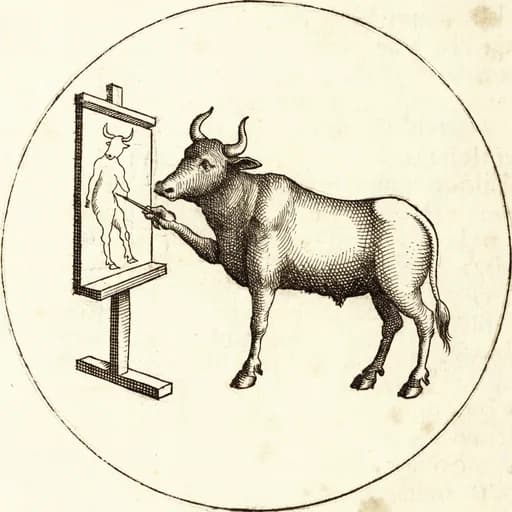
Öküzler ve atlardan birkaç sayfa ötede, tanrıların insan biçiminde yapılan suretlerine karşı aynı mücadelede kaydedilmiştir.
DK 21 B23, İfade kesin
İskenderiyeli Klement, Stromata V.109.1 (c. 200 CE)
Bu kez alıntıyı onaylayarak yapmıştır. Klement, daha iyi Yunanların kendi başlarına tek bir tanrıyı sezmiş olduklarını göstermek istemiş; Ksenofanes'i ise başlangıçta aleyhte tanıkken sonradan lehte tanığa dönüşen bir şahit olarak okumuştur.
DK 21 B18, İfade kesin
Stobaios, Antoloji I.8.2 (c. 450 CE)
Oğlunun eğitimi için başlıklar altında geliştirici alıntılar derleyen bir antolojist. Bu alıntı 'zaman' başlığı altında dosyalanmıştı.
DK 21 B34, İfade kesin
Sextus Empiricus, Mantıkçılara Karşı I.49 (c. 200 CE)
Şüpheciler, Ksenophanes'i bu düşünce çizgisinin atası olarak görmüş ve bu alıntıyı o kadar sık yapmışlardır ki, günümüze birkaç farklı versiyonu ulaşmıştır. Ksenophanes, kesinliğin kendi okulundan çok önce de sorgulandığını savunmaktadır.
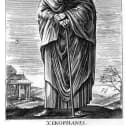
Ksenophanes
(c. 570 BCE – c. 478 BCE)Ksenofanes, altmış yedi yıl boyunca Yunan dünyasını gezdi ve arkasında çoğu yerleşik düşünürden daha keskin bir gözlem bıraktı: Habeşliler tanrılarının koyu tenli ve basık burunlu olduğunu söylerken, Trakyalılar tanrılarının kızıl saçlı ve mavi gözlü olduğunu söylüyor. Atlar resim yapabilseydi, tanrıları at biçiminde çizerdi, diye ekledi. Şakanın ardında gerçek bir iddia vardı: Tanrı (bir, çok değil) insan bedenine hiç benzemez. Seyahat etmez, öfke duymaz, değişmez. Her şeyi yalnızca zihinle algılar. Bu arada, şeylerin doğası su ya da ateş değil, toprak ve su karışımıdır. İnsanların kesin bilgiye asla ulaşamayacağından, ancak giderek daha iyi kanaatlere varabileceğinden kuşkuluydu. Hem dine hem de bilgiye yönelen bu eleştiri ve alçakgönüllülük birleşimi, onu insan sınırlarının ilk filozofu yapar.
Ksenophanes'in Sözleri ve Düşünceleri
“Öküzlerin, atların ve aslanların elleri olsaydı ve resim yapabilselerdi, atlar tanrılarının biçimini at, öküzler öküz gibi çizerdi.”
“Açık gerçeği hiç kimse görmedi, tanrılar hakkında da bilgi sahibi olan olmayacak; çünkü biri doğru olanı söylese bile, yine de kendisi onu bilmez.”