Fragments
What survives of Anaxagoras
Nothing Anaxagoras wrote survives complete. These 5 lines reached us only because later writers copied them into works of their own, usually while arguing about something else.
The Fragility of Ancient Papyrus
None of the early Greek philosophers left manuscripts that survived antiquity. Their prose books and philosophical poems disappeared into the dust of Mediterranean library fires, political upheavals, and decay. The few sentences we possess today survived solely because later commentators—from Aristotle and Simplicius to Diogenes Laërtius and Sextus Empiricus—quoted them while writing treatises of their own centuries later.
DK 59 B1, Wording secure
Simplicius, Commentary on Aristotle's Physics 155.26 (c. 540 CE)
The opening of the book, copied out by a commentator who says plainly that he is quoting at length because the work had become hard to find.
DK 59 B12, Wording secure
Simplicius, Commentary on Aristotle's Physics 164.24 (c. 540 CE)
Quoted while explaining what Aristotle had meant in criticising Anaxagoras. To make the criticism intelligible he had to reproduce the passage being criticised.
DK 59 B17, Wording secure
Simplicius, Commentary on Aristotle's Physics 163.18 (c. 540 CE)
Copied as evidence of what the earlier thinkers had actually held about generation, against the summaries then in circulation.
DK 59 B4, Wording likely his
Simplicius, Commentary on Aristotle's Physics 34.29 (c. 540 CE)
Preserved in the same commentary, in a passage about whether the separating-out happened once or elsewhere as well.
DK 59 B21a, Wording secure
Sextus Empiricus, Against the Logicians I.140 (c. 200 CE)
Quoted with approval as a rule for reasoning from what can be seen to what cannot. It is the one line of Anaxagoras that reached us through someone other than Simplicius.
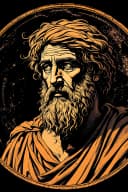
Anaxagoras
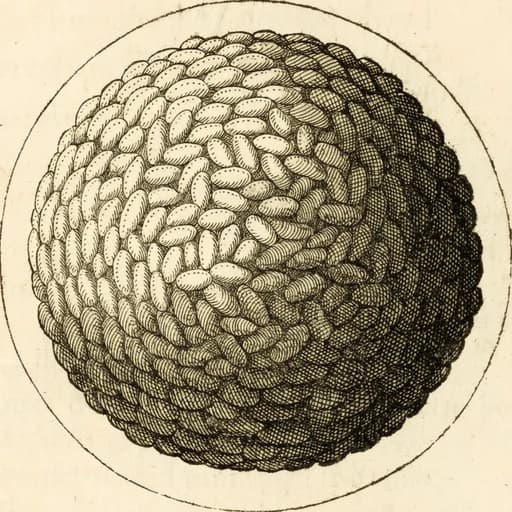
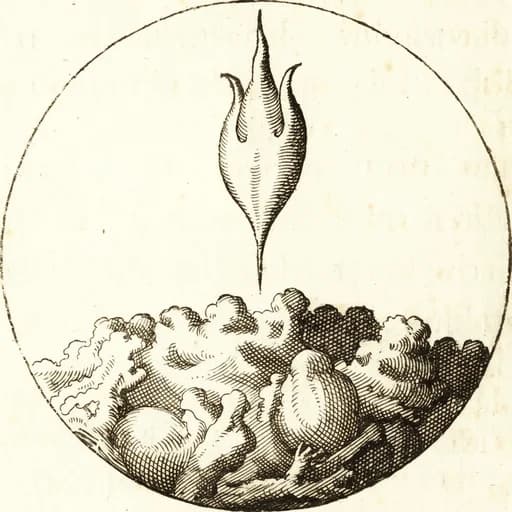
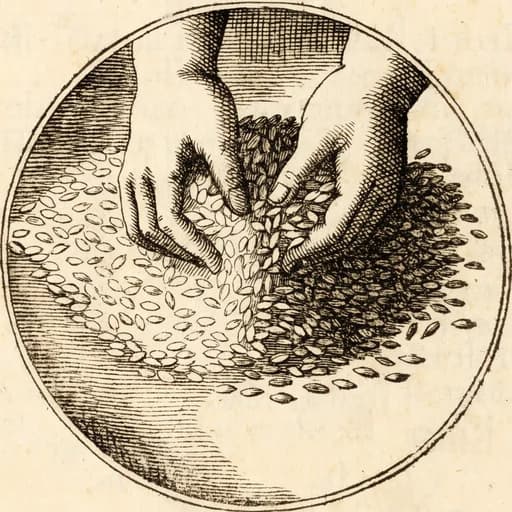
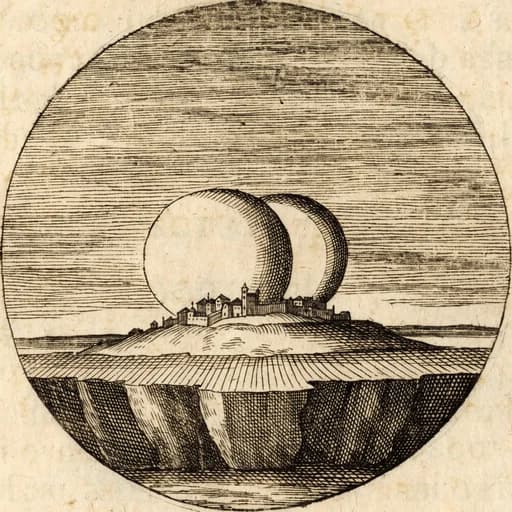
(c. 500 BCE – c. 428 BCE)Anaxagoras came from Ionia to Athens and became the first philosopher to live and teach there. He proposed that an infinite number of seeds make up all things, and that Nous (Mind) set the cosmos in motion. He was a friend of Pericles. The Athenians put him on trial for impiety because he taught that the sun is a mass of burning metal, not a deity. He was convicted and exiled. He spent his last years in Lampsacus.
Quotes & Sayings by Anaxagoras
“All things were together. Then Mind came and arranged them in order.”
“The sun is a hot stone, larger than the Peloponnese.”