Fragments
What survives of Protagoras
Nothing Protagoras wrote survives complete. These 3 lines reached us only because later writers copied them into works of their own, usually while arguing about something else.
The Fragility of Ancient Papyrus
None of the early Greek philosophers left manuscripts that survived antiquity. Their prose books and philosophical poems disappeared into the dust of Mediterranean library fires, political upheavals, and decay. The few sentences we possess today survived solely because later commentators—from Aristotle and Simplicius to Diogenes Laërtius and Sextus Empiricus—quoted them while writing treatises of their own centuries later.
DK 80 B1, Wording secure
Sextus Empiricus, Against the Logicians I.60 (c. 200 CE)
Quoted as the opening of a book called Truth, in a survey of what earlier thinkers had made the standard of judgement. Plato had already put the same sentence in Socrates's mouth six centuries earlier, in order to take it apart.
DK 80 B4, Wording secure
Diogenes Laertius, Lives of the Eminent Philosophers IX.51 (c. 230 CE)
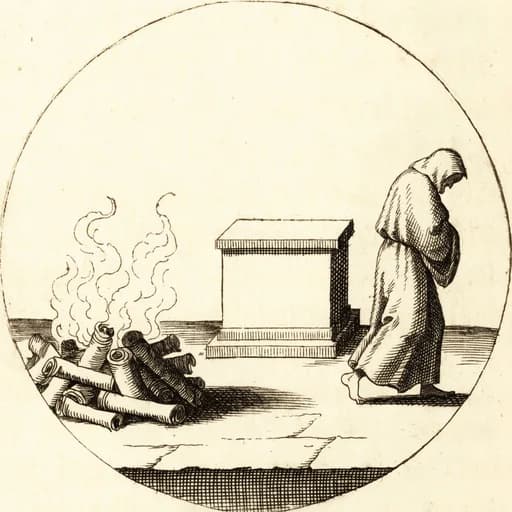
A biographer explaining why Protagoras was prosecuted at Athens and his books burned. The sentence survives because it was the evidence against him.
DK 80 B6a, Wording likely his
Diogenes Laertius, Lives of the Eminent Philosophers IX.51 (c. 230 CE)
Reported in the same list of what Protagoras was first to say. The teaching that made him rich and, eventually, indefensible in court.
Protagoras
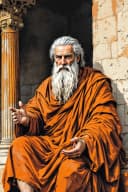
(c. 490 BCE – c. 420 BCE)Protagoras was the most famous of the Sophists, traveling from city to city teaching rhetoric, argument, and civic virtue for a fee. His claim that 'man is the measure of all things' made truth relative to the perceiver. He wrote a book on the gods that began 'About the gods I cannot know either that they exist or that they do not.' Athens burned his books and banished him. Plato named a dialogue after him and treated him with surprising respect.
Key Ideas & Concepts
Philosophical Clash
Socrates vs. Protagoras
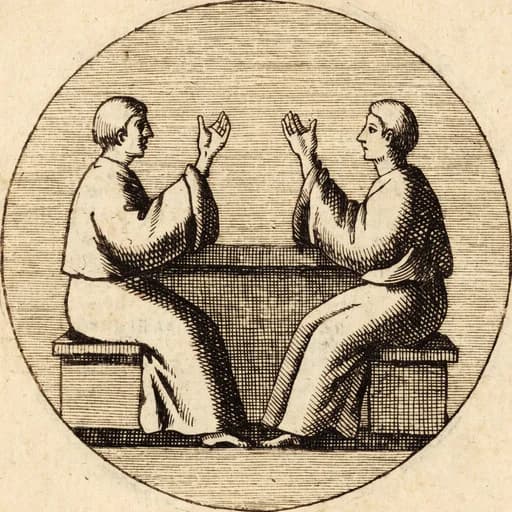
Objective Truth vs. Relativism: Is truth discovered through dialectic, or is man the measure of all things?
Quotes & Sayings by Protagoras
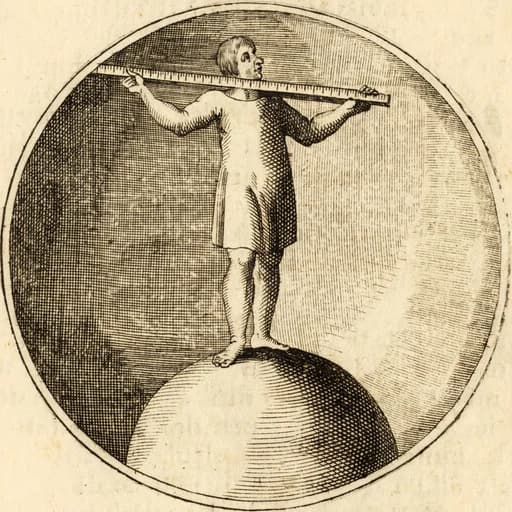
“Man is the measure of all things: of things that are, that they are, and of things that are not, that they are not.”
“Concerning the gods, I have no means of knowing whether they exist or not, nor what form they might take; for there is much to prevent knowledge: the obscurity of the subject and the shortness of human life.”