Atlas of Thinkers
ThinkersAtlasTimelineWorksBlog
Atlas of Thinkers
ThinkersAtlasTimelineWorksBlog
Journey/

William James

Pragmatist
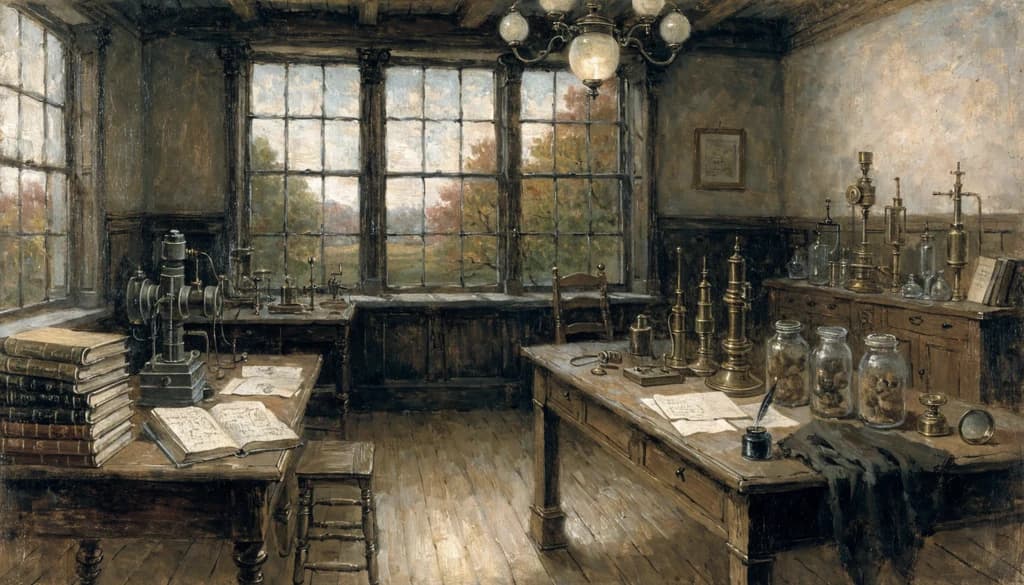
A Harvard psychology laboratory, 1885, brass instruments and specimen jars on wooden tables, New England autumn visible through tall windows.
Truth is made, not found.
1/2

William James began as a medical student, became a psychologist, and ended as a philosopher — because he found that the questions he was asking kept escaping the disciplines he worked in. His Principles of Psychology mapped the stream of consciousness. His Pragmatism argued that the test of any idea is its practical difference: truth is what it is good to believe. His Varieties of Religious Experience took religion seriously without requiring God to be real — the experience itself, and its effects on the person who has it, were the subject. He wrote with a directness and warmth unusual in philosophy, as if thinking were something that happened to whole people rather than just brains. His brother Henry James was the novelist; William once said he wished he had written more like Henry, and Henry said the same about William. Both were right, and both achieved something the other could not have.

Teaching
1876 – 1907·Boston

Teaches psychology and philosophy at Harvard

James joined the Harvard faculty in 1876 and taught there for thirty-five years, holding the first American professorship in psychology. He created the discipline of functional psychology — studying mental processes for what they do rather than what they are — and made Harvard the center of American philosophy in his era.

Words

“Believe that life is worth living and your belief will help create the fact.”

— William James
Full profile→
Portrait of Cornel West

Continue to

Cornel West →