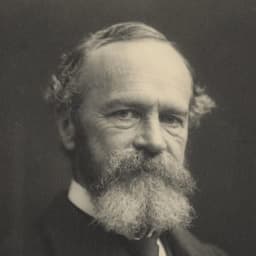
William James
Tıp öğrencisi olarak başladı, psikolog oldu, filozof olarak bitirdi, çünkü sorular sürekli disiplinlerin kıskacından kaçıyordu.
William James tıp öğrencisi olarak başladı, psikolog oldu ve filozof olarak noktaladı, çünkü sorduğu sorular çalıştığı disiplinlerin sınırlarını aşıp duruyordu. Psikolojinin İlkeleri bilinç akışını haritalandırdı. Pragmatizm, bir düşüncenin sınavının pratik farkı olduğunu savundu: hakikat, inanmanın iyi olduğu şeydir. Dinsel Deneyimin Çeşitleri, Tanrı'nın gerçek olmasını gerektirmeden dini ciddiye aldı, deneyimin kendisi ve onu yaşayan kişi üzerindeki etkileri asıl konuydu. Felsefede nadir görülen bir içtenlik ve sıcaklıkla yazdı; sanki düşünmek, sadece beyinlere değil bütün insanlara olan bir şeymiş gibi. Kardeşi Henry James romancıydı; William bir keresinde daha çok Henry gibi yazmayı dilediğini söylemişti, Henry de aynısını William için söylemişti. İkisi de haklıydı ve her biri diğerinin başaramayacağı bir şey başardı.

Kütüphanede Oku
Yerler
Fikirler
Sözler
“Hayatın yaşamaya değer olduğuna inan; inancın bu gerçeği yaratmana yardım eder.”
“Bir hayatı en iyi kullanma şekli, onu kendisinden daha uzun sürecek bir şey için harcamaktır.”
Eserler
Hayat ve Anlar
Harvard’da psikoloji ve felsefe dersleri verir
James, 1876’da Harvard kadrosuna katıldı ve otuz beş yıl boyunca, Amerika’nın ilk psikoloji profesörü olarak ders verdi. Zihinsel süreçleri ne olduklarından çok ne işe yaradıklarına bakarak inceleyen işlevsel psikoloji disiplinini yarattı ve Harvard’ı döneminin Amerikan felsefesinin merkezi haline getirdi.
Gifford Dersleri
James, 1901-02'de Edinburgh Üniversitesi'nde Gifford Dersleri'ni verdi. Dersler kitap olarak 'Dinsel Deneyimin Çeşitleri' adıyla yayımlandı ve büyük yankı uyandırdı. İnanç ve bilinç hakkında yeni bir düşünce açan bu eser, dini deneyimi kendi başına incelenmeye değer bir psikolojik olgu olarak ele alıyordu.
Etki
Etkilendiği düşünürler
- C.S. Peirce
James, 'pragmatizm' terimini doğrudan Peirce'in 1878 tarihli makalesinden ödünç aldı ve onu daha geniş, halkın anlayabileceği bir felsefeye dönüştürdü. Bu borcunu her zaman kabul etti, ancak Peirce popülerleşen versiyonun kendi fikirlerinden ne kadar uzaklaştığından rahatsızlık duydu.
- Henri Bergson
James, Bergson'u büyük bir keyifle okudu ve onun çalışmalarının yıllardır uğraştığı engelleri kaldırdığını söyledi; hayranlık iki yönlüydü ve ikisi sıcak bir şekilde yazıştı.
Etkilediği düşünürler
- Cornel West
West'in The American Evasion of Philosophy'si, William James'in pragmatizmini, Emerson ve Dewey'nin yanında, Amerikan düşüncesi için bitmemiş bir kaynak olarak ele alır ve onu Siyah kilisesinin peygamberane geleneğiyle harmanlayarak peygamberane pragmatizm dediği şeyi oluşturur.
- Nishida Kitaro
Nishida bu ifadeyi ve fikri doğrudan James'ten aldı: deneyimleyen ile deneyimlenen arasındaki ayrımdan önce gelen bir deneyim. İlk kitabı oradan başlar ve üzerine Zen esintili bir felsefe inşa eder.


