C.S. Peirce
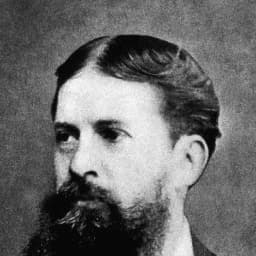
Amerikan pragmatizminin ve modern göstergebilimin kurucusu olan Peirce, son yıllarını kırsal yoksulluk içinde geçirdi ve büyük ölçüde, onun felsefesini ünlü yapan ancak kendisi gölgede kalan dostunun sadakatiyle ayakta kaldı.
Peirce gerçek bir polimatistti: kimyager olarak eğitim gördü, otuz yıl boyunca ABD Sahil ve Jeodezi Araştırmaları Kurumu'nda jeodezi ve yerçekimi ölçümü üzerine ciddi çalışmalar yaptı ve bu arada iki felsefe alanını neredeyse tek başına icat etti. Pragmatik ilkesi, bir kavramın tüm anlamının onun pratik, kavranabilir sonuçlarında yattığını öne sürüyordu: bir fikri tam olarak anlamak, onun doğru olması halinde ne fark yaratacağını anlamaktır, ne eksik ne fazla. Ayrıca, neredeyse yalnız başına ve yaşarken çoğu yayımlanmamış halde, ikon, indeks ve sembolleri temsil ettikleri şeyle olan ilişkilerine göre ayırt eden ayrıntılı bir gösterge kuramı geliştirdi ve bu, göstergebilim ve sonraki dilbilimin bir yüzyıl boyunca yeniden keşfettiği temeli attı. Zor, gururlu ve birçoklarına göre gerçekten iş yapılması zor biri olan Peirce, ikinci evliliğiyle ilgili bir skandal nedeniyle Johns Hopkins'teki ders verme görevinden alındı ve bir daha düzenli bir akademik pozisyon elde edemedi, Pennsylvania kırsalında Arisbe adını verdiği bir evde giderek kötüleşen yoksulluğa sürüklendi. Kendisiyle birlikte öğrenim gören ve 'pragmatizm' terimini kendi daha popüler versiyonu için ödünç alan William James, eski dostunu sefaletten kurtarmak için yıllarca sessizce ders davetleri ve mali destek ayarladı; pragmatizmin tanınmış bir Amerikan felsefesi haline gelmesi büyük ölçüde James'in halka açık takdirine bağlıdır, oysa Peirce, James'in versiyonunun kendi fikrinden çok uzaklaştığını görüp sonunda kendi konumuna 'pragmatikçilik' adını verdi: bu, dediğine göre, kimsenin çalmak istemeyeceği kadar çirkin bir sözcüktü.

Yerler
Fikirler
Sözler
“Bir kavramın nesnesinin pratik sonuçlar doğurabilecek etkilerini düşünün. Ardından, bu etkiler hakkındaki kavrayışımız, o nesne hakkındaki tüm kavrayışımızdır.”
“Gerçeklik kavramının kökeni, bu kavramın özünde bir topluluk fikrini barındırdığını gösterir.”
Eserler
Hayat ve Anlar
Pragmatik maksimi yayımlar
Peirce'in 'Düşüncelerimizi Nasıl Açık Kılarız' adlı denemesi, bir kavramın tüm anlamının onun tasavvur edilebilir pratik etkilerinde yattığını öne sürerek, William James'in daha sonra pragmatizm olarak popülerleştireceği felsefi akımı başlattı.
Johns Hopkins'tan Kovulma
Peirce, ikinci evliliğiyle ilgili bir skandal yüzünden Johns Hopkins'teki ders verme görevinden kovuldu. Bu, onun tek düzenli akademik işinin sonu oldu ve yıllar süren yoksulluk ve yalnızlığa sürüklenmesinin başlangıcıydı.
Etki
Etkilendiği düşünürler
- Immanuel Kant
Peirce, öğrencilik yıllarında Kant'ın Salt Aklın Eleştirisi'ni derinlemesine okudu ve kategoriler tablosunu kendi üçlü gösterge mantığına uyarladı, pragmatizmini bir bakıma Kant'ın projesinin başka yollarla sürdürülmesi olarak gördü.
Etkilediği düşünürler
- William James
James, 'pragmatizm' terimini doğrudan Peirce'in 1878 tarihli makalesinden ödünç aldı ve onu daha geniş, halkın anlayabileceği bir felsefeye dönüştürdü. Bu borcunu her zaman kabul etti, ancak Peirce popülerleşen versiyonun kendi fikirlerinden ne kadar uzaklaştığından rahatsızlık duydu.
- John Dewey
Dewey enstrümantalizmini, Peirce'ün teknik olarak döşediği ve James'in popülerleştirdiği pragmatist temel üzerine inşa etti; fikirleri sabit hakikatin aynaları değil, sonuçlarıyla sınanan araçlar olarak ele aldı.
- W.V.O. Quine
Quine'a göre epistemoloji, bilimin dışında duran bir disiplin değil, ampirik psikolojinin bir dalı olmalıdır. Bu görüş, Peirce'in pragmatist ısrarını yankılar: Sorgulamanın, kendinden daha sağlam bir temeli yoktur.