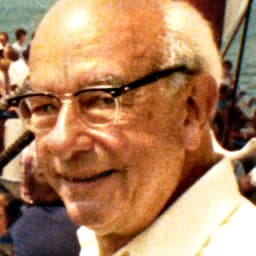
W.V.O. Quine
Saf mantıkla doğrulanabilen hakikatlerle dünyaya bakarak doğrulanan hakikatler arasında keskin bir çizgi olmadığını savundu; felsefenin yüzyıllardır dayandığı bu ayrımın aslında geçerli olmadığını gösterdi.
Quine'ın 1951 tarihli 'Deneyciliğin İki Dogması' makalesi, yirminci yüzyıl felsefesinin o kadar temel iki varsayımına saldırdı ki çoğu insan bunların varsayım olduğunu bile fark etmeyi bırakmıştı: safça sözcüklerinin anlamıyla doğru olan analitik hakikatlerle dünyanın nasıl olduğuyla doğru olan sentetik hakikatler arasında temiz bir ayrım olduğu ve her anlamlı ifadenin onu doğrulayacak ya da çürütecek belirli bir dizi duyusal deneyime indirgenebileceği. Quine bunun yerine, inançlarımızın deneyimle yalnızca birbirine bağlı bir ağ olarak karşılaştığını, tek tek ifadelerle değil, öne sürdü; böylece herhangi bir tek gözlem, en doğrudan tehdit ettiği görünen belirli iddiadan ziyade sistemin neredeyse herhangi bir parçasını revize ederek ilke olarak uyumlu hale getirilebilir; bu, analitik-sentetik ayrımını, inanç-ağı resminin dışladığı türden atomistik, ifade-ifade doğrulamaya dayandığını göstererek ortadan kaldıran bir bütüncüllüktü. Epistemolojinin, bilimi dışarıdan bir yerden haklı çıkarmaya çalışmayı bırakıp doğallaştırılması gerektiği gibi radikal bir sonuç çıkardı: canlıların duyusal girdilerden teorileri nasıl inşa ettiğini inceleyen ampirik psikolojinin bir dalı; bilim üzerinde sözde daha güvenli bir felsefi bakış açısından yargıda bulunan ayrı bir disiplin değil. Radikal çeviri düşünce deneyi, tamamen bilinmeyen bir dili sıfırdan çevirmeye çalışan bir dilbilimciyi hayal ederek, bir konuşmacının davranışının mükemmel bir kaydının bile sözcüklerinin ne anlama geldiğini asla benzersiz bir şekilde belirlemeyeceğini, çünkü kanıtlara eşit derecede uyan birden çok uyumsuz çeviri kılavuzu olabileceğini öne sürdü; buna çevirinin belirlenemezliği adını verdiği gerçekten rahatsız edici bir sonuçtu. Kariyerinin neredeyse tamamını Harvard'da geçirdi, neredeyse matematiksel bir yalınlık ve kesinlikle yazdı ve doksan iki yaşında öldüğünde, Wittgenstein'la birlikte yirminci yüzyılın en etkili analitik filozofu olarak kabul ediliyordu.

Yerler
Fikirler
Sözler
“Olmak, bir değişkenin değeri olmaktır.”
“Sözde bilgimiz veya inançlarımızın bütünü... insan yapımı bir kumaştır ve deneyime yalnızca kenarlardan değer.”
Eserler
Hayat ve Anlar
'Deneyciliğin İki Dogması'nı Yayımlıyor
Quine'in makalesi, analitik-sentetik ayrımına ve bireysel önermelerin deneyimle teker teker yüzleştiği fikrine saldırdı; bunun yerine inançların iç içe geçmiş bir ağ oluşturduğunu öne sürdü, yirminci yüzyıl felsefesinin en etkili denemelerinden biri.
Söz ve Nesne Yayımlanıyor
Quine, radikal çeviri düşünce deneyini geliştirerek, bir konuşmacının davranışının eksiksiz bir kaydının bile sözcüklerinin ne anlama geldiğini asla benzersiz biçimde belirleyemeyeceğini savundu, çevirinin belirsizliği.
Etki
Etkilendiği düşünürler
- Bertrand Russell
Quine, Russell ile Whitehead'in Principia Mathematica'da kurduğu mantıkçı program içinde eğitildi ve başlangıçta bu programda çalıştı; olgunluk dönemi yapıtıysa, o programın dayandığı bazı ayrımlara kuşkuyla yaklaştı.
- C.S. Peirce
Quine'a göre epistemoloji, bilimin dışında duran bir disiplin değil, ampirik psikolojinin bir dalı olmalıdır. Bu görüş, Peirce'in pragmatist ısrarını yankılar: Sorgulamanın, kendinden daha sağlam bir temeli yoktur.

