A quotation from Iris Murdoch
Quotation
We are anxiety-ridden animals. Our minds are continually active, fabricating an anxious, self-preoccupied, often falsifying veil which partially conceals the world.
Philosophical Context
ModernEthicsIris Murdoch
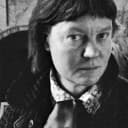
She said real love is the very difficult realization that something other than yourself is real, and built an entire moral philosophy on the discipline of truly looking.
Murdoch was a novelist first and a philosopher always, and she never saw much distance between the two vocations: both, she thought, were exercises in learning to see other people accurately instead of through the distorting fog of one's own anxiety and self-regard. Trained at Oxford in the heyday of linguistic analysis, she grew impatient with a philosophy that had shrunk moral life down to the logical grammar of the word good, and wrote The Sovereignty of Good to argue for something older and larger: that goodness is real, that it is discovered rather than chosen, and that the central moral task is attention: the patient, loving effort to see another person or situation clearly, free of the ego's constant editing. She illustrated the idea with a mother who resents her daughter-in-law and then, through sustained honest looking, comes to see her differently, not by changing her behavior first but by changing how she attends. This reversed a whole tradition that had made moral philosophy mostly about choices and actions; Murdoch made it about vision. Alongside this she wrote twenty-six novels dense with moral entanglement, love triangles, and philosophers behaving badly, treating fiction as a laboratory for the same question philosophy asked more abstractly: what does it cost, and what does it take, to truly see someone else?
More Lines from Iris Murdoch
More from Iris Murdoch→Understanding This Quotation
What does Iris Murdoch mean by this quotation?
She said real love is the very difficult realization that something other than yourself is real, and built an entire moral philosophy on the discipline of truly looking. Murdoch was a novelist first and a philosopher always, and she never saw much distance between the two vocations: both, she thought, were exercises in learning to see other people accurately instead of through the distor…
What was the context or school of thought behind this idea?
Iris Murdoch articulated this thought in The Sovereignty of Good. Three essays arguing that moral life centers on attention rather than choice: that goodness is real and discovered through the discipline of truly seeing others, not invented by the will at the moment…