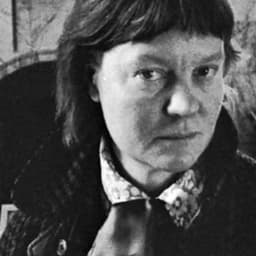
Iris Murdoch
Gerçek sevginin, kendinden başka bir şeyin gerçek olduğunu fark etmenin çok zor bir idraki olduğunu söyledi ve gerçekten bakmayı öğrenme disiplini üzerine bütün bir ahlak felsefesi inşa etti.
Murdoch önce bir romancı, her zaman bir filozoftu ve bu iki uğraş arasında pek fark görmedi: ikisi de, ona göre, başkalarını kendi kaygı ve benmerkezciliğinin bulandırıcı sisi üzerinden değil doğru bir şekilde görmeyi öğrenme egzersizleriydi. Dilbilimsel çözümlemenin altın çağında Oxford'da eğitim aldı, ahlaki hayatı 'iyi' kelimesinin mantıksal dilbilgisine indirgeyen bir felsefeye sabrı kalmadı ve İyi'nin Egemenliği'ni daha eski ve daha büyük bir şey için yazdı: iyiliğin gerçek olduğunu, seçilmek yerine keşfedildiğini ve merkezi ahlaki görevin dikkat olduğunu: başka bir kişiyi ya da durumu, egonun sürekli düzenlemesinden azade, net görmek için gösterilen sabırlı, sevgi dolu çaba. Fikri, gelinini kıskanan ve sonra sürdürülen dürüst bakışla onu farklı görmeye başlayan bir kaynanayla örnekledi: davranışını önce değiştirerek değil, nasıl dikkat ettiğini değiştirerek. Bu, ahlak felsefesini büyük ölçüde seçimler ve eylemler hakkında yapmış olan bütün bir geleneği tersine çevirdi; Murdoch onu görüş hakkında yaptı. Bunun yanında ahlaki dolaşıklık, aşk üçgenleri ve kötü davranan filozoflarla dolu yirmi altı roman yazdı; kurguyu, felsefenin daha soyut bir şekilde sorduğu aynı soru için bir laboratuvar olarak kullandı: başka birini gerçekten görmenin bedeli ve gerektirdiği nedir?

Yerler
Fikirler
Sözler
“Aşk, kendinden başka bir şeyin gerçek olduğunu fark etmenin son derece zor bir idrak edişidir.”
“Endişeye boğulmuş hayvanlarız. Zihnimiz durmaksızın çalışır, kaygılı, benmerkezci ve çoğu zaman yanıltıcı bir perde örer; bu perde dünyayı kısmen gizler.”
Eserler
Hayat ve Anlar
Yirmi altı romanı felsefesiyle birlikte yazdı
Murdoch, kırk yıl boyunca ahlaki dolaşmalarla dolu ve filozofların kötü davrandığı yirmi altı roman yayımladı; kurguyu, felsefesinin daha soyut bir biçimde sorduğu aynı soruyu, bir başkasını gerçekten görmek ne anlama gelir?, test ettiği bir laboratuvar olarak kullandı.
İyiliğin Egemenliği'ni yayımlar
Murdoch, ahlaki yaşamın seçimden çok dikkatle ilgili olduğunu savundu; iyiliğin gerçek olduğunu ve bir başkasını net görmek için sabırlı, sevgi dolu bir çabayla keşfedildiğini ileri sürerek, etiği çoğunlukla kararlar ve eylemlerle ilgili gören geleneği tersine çevirdi.
Etki
Etkilendiği düşünürler
- Plato
Murdoch, Platon'un imgeleri üzerine Ateş ve Güneş adlı bütün bir inceleme yazdı ve kendi ahlak felsefesini tanınabilir bir Platoncu iddia üzerine kurdu: iyiliğin gerçek, aşkın olduğu ve seçilerek değil dikkat yoluyla keşfedildiği.
- Jean-Paul Sartre
Murdoch 1953'te Sartre üzerine İngilizce yazılmış ilk incelemelerden birini yazdı, sonra kariyerinin geri kalanını onun radikal, koşulsuz özgürlük resmine karşı, iyiliği seçilen değil keşfedilen bir şey olarak gören Platoncu bir görüşü savunarak geçirdi.

