Place
Dublin
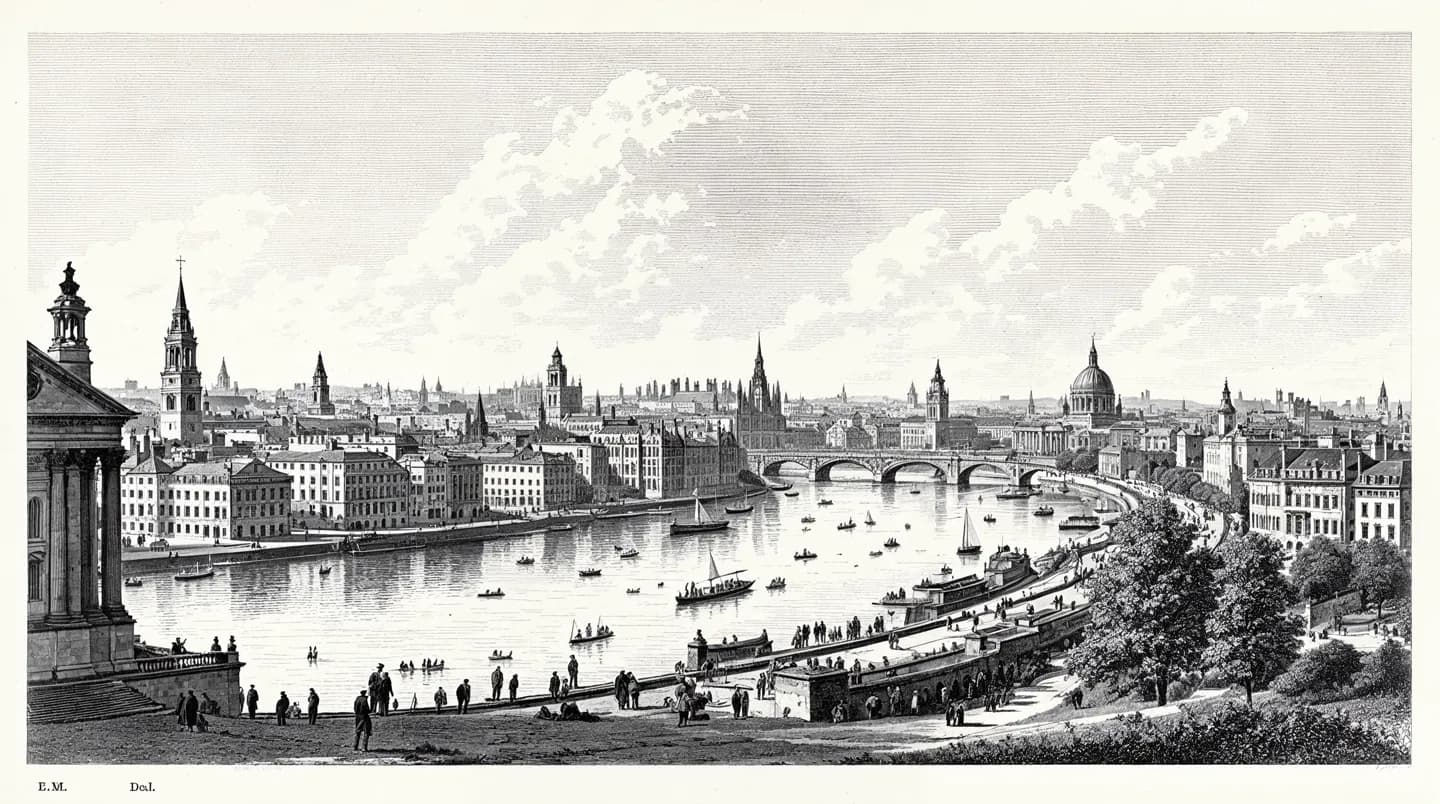
The Irish capital on the Liffey, second city of the eighteenth-century British world and a lively node of its intellectual life around Trinity College. George Berkeley entered Trinity at fifteen and conceived there the immaterialism that bears his name; Edmund Burke followed a generation later, founding a debating club before he went on to found modern conservatism.
Dublin in the eighteenth century was the second city of the British empire, laying out Georgian squares while the countryside stayed poor. Trinity College sat at the center and educated most of its thinkers. Berkeley was a student and then a fellow there, and had worked out his argument that matter is nothing apart from perception before he turned thirty. Burke studied at Trinity too and left for London and politics. Swift was dean of St Patrick's, writing satire that made the poverty impossible to look away from.
Thinkers Connected to Dublin
George Berkeley
To be is to be perceived. He argued matter does not exist, and dared anyone to refute him.
Edmund Burke
He defended liberty and reviled the French Revolution in the same breath, and so fathered modern conservatism.

John Scotus Eriugena
The lone genius of the dark centuries, who read Greek when almost no one in the West could, and dared to fold God and creation into a single nature.

Iris Murdoch
She said real love is the very difficult realization that something other than yourself is real, and built an entire moral philosophy on the discipline of truly looking.