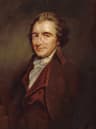
Edmund Burke
He defended liberty and reviled the French Revolution in the same breath, and so fathered modern conservatism.
Burke was a Dublin-born statesman and writer who supported the American colonists and the reform of empire, yet recoiled in horror from the French Revolution. Society, he argued, is not a machine to be redesigned by theory but a living inheritance, a contract between the dead, the living, and the unborn, and reform must prune rather than uproot. His Reflections on the Revolution in France warned that abstract reason loosed upon tradition would end in terror, a prophecy events soon honored. From his prudence and his distrust of grand schemes, modern conservative thought traces its descent.

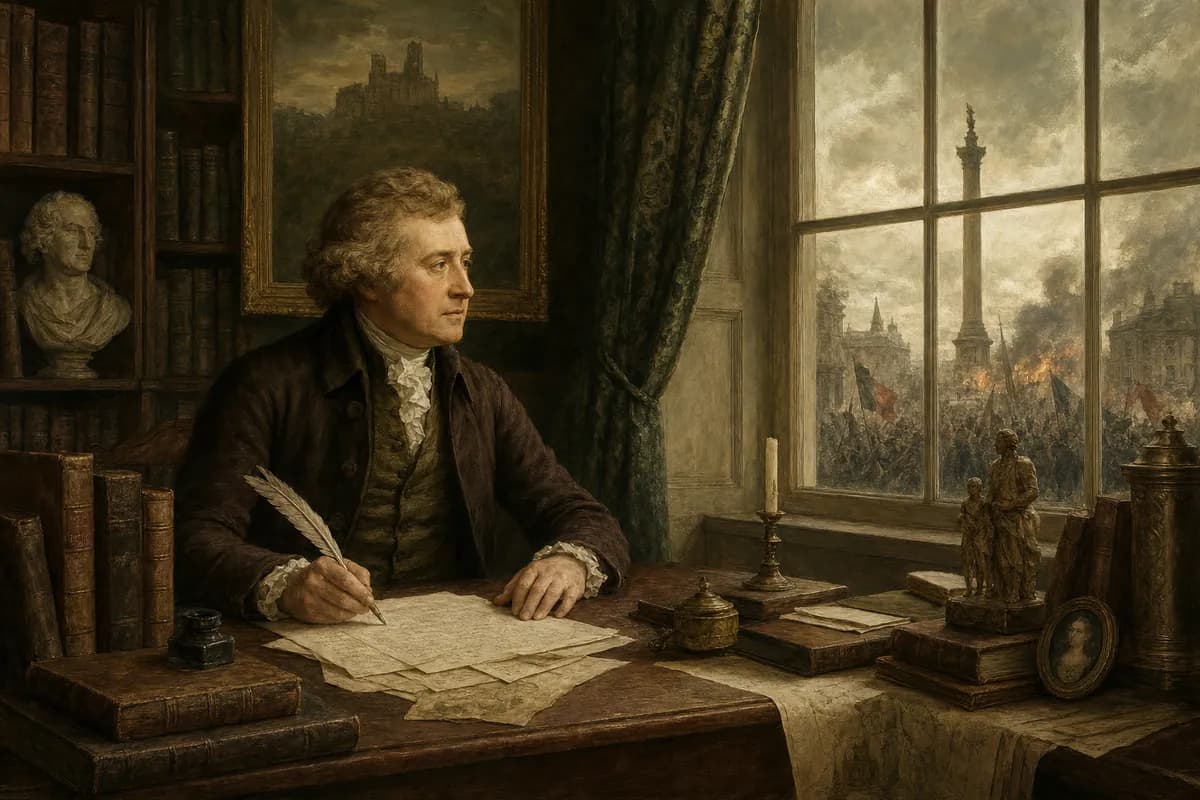
Places
Ideas
Words
“Society is a partnership between those who are living, those who are dead, and those who are to be born.”
Works
Life & Moments
Born in Dublin
Born in Dublin and trained in law, he moved to London to live by his pen and entered politics.
Speech on Conciliation
Urged Parliament to reconcile with America, arguing that liberty grows from habit and inherited rights, not abstract charters.
Reflections on the Revolution in France
Warned that abstract reason loosed upon tradition would end in terror, founding modern conservative thought.
Death near London
Died at his country house, mourned by friends who had learned from him that society is a partnership across generations.
Influence
Influenced by
- Jean-Jacques Rousseau
Burke read the French Revolution as Rousseau's abstractions made real, and recoiled from both.
Influenced
- Thomas Paine
Paine wrote the Rights of Man in direct answer to Burke's Reflections, defending the revolution Burke condemned.