A quotation from Plato
Quotation
Beauty absolute, separate, simple, and everlasting, which without diminution and without increase, or any change, is imparted to the ever-growing and perishing beauties of all other things.
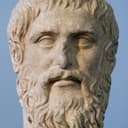
Plato
He saw a world behind the world. The Forms are real; what we see are shadows.
Plato was Socrates’ most devoted student, and after his teacher’s death, he spent years traveling before returning to Athens to found the Academy, the Western world’s first institution of higher learning. His dialogues are philosophy as literature: Socrates arguing about justice, beauty, the good, and the nature of reality itself. His theory of Forms, that the visible world is a reflection of eternal, perfect originals, shaped metaphysics for two millennia.
Plato vs. Aristotle
Ideal Forms vs. Empirical Realism: Is truth transcendent or immanent in the physical world?
The rupture between Plato and Aristotle is Western philosophy's foundational debate. In Raphael's fresco The School of Athens, Plato points upward to the transc…
Explore Debate→More Lines from Plato
More from Plato→“We can easily forgive a child who is afraid of the dark; the real tragedy of life is when men are afraid of the light.”
“The measure of a man is what he does with power.”
“Until philosophers are kings, or the kings and princes of this world have the spirit and power of philosophy, and political greatness and wisdom meet in one, and those commoner natures who pursue either to the exclusion of the other are compelled to stand aside, cities will never have rest from their evils.”
Understanding This Quotation
What does Plato mean by this quotation?
He saw a world behind the world. The Forms are real; what we see are shadows. Plato was Socrates’ most devoted student, and after his teacher’s death, he spent years traveling before returning to Athens to found the Academy, the Western world’s first institution of higher learning. His dialogues a…
What was the context or school of thought behind this idea?
Plato articulated this thought in Symposium. A dialogue on the nature of love, told through a series of speeches at a drinking party. Socrates recounts the teachings of Diotima on the ascent from physical beauty to the Form of Beauty itself.…